

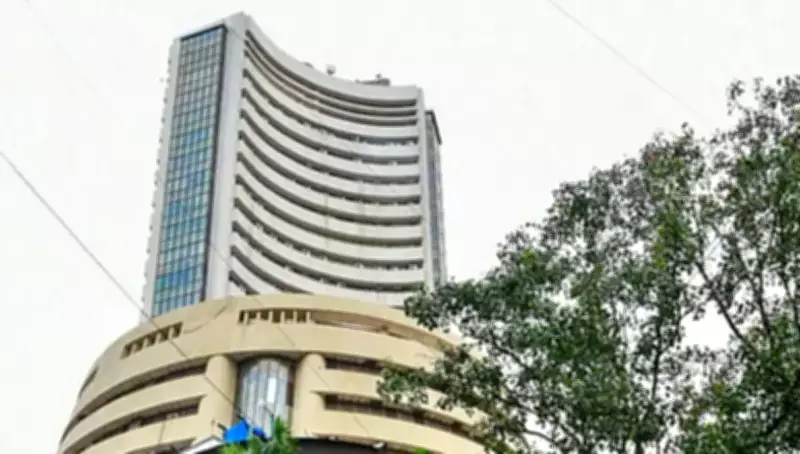
Stock Markets Slump Amid Fresh West Asia Tensions; IndiGo Among Top Losers
Indian stock markets witnessed a significant downturn on Wednesday, driven by renewed geopolitical tensions in West Asia, which sparked widespread investor anxiety and led to a broad-based sell-off. The BSE Sensex plunged by over 500 points, while the NSE Nifty dropped sharply, reflecting heightened concerns over potential economic disruptions and volatility in global markets.
Geopolitical Concerns Weigh on Investor Sentiment
Fresh escalations in West Asia, including reports of military actions and diplomatic strains, have reignited fears among investors about stability in the region. This uncertainty has prompted a flight to safety, with many market participants offloading riskier assets like equities. Analysts note that such geopolitical events often trigger short-term market corrections as traders reassess risk exposures and global economic outlooks.
The aviation sector was particularly hard-hit, with IndiGo emerging as one of the top losers on the stock exchanges. Shares of the airline fell by more than 4% during the trading session, as concerns over rising fuel costs and potential travel disruptions due to the tensions added pressure. Other aviation stocks also declined, contributing to the overall market weakness.

Broader Market Impact and Sectoral Performance
Beyond aviation, the sell-off was widespread, affecting multiple sectors. Banking and financial stocks saw notable declines, with major lenders and non-banking financial companies (NBFCs) recording losses. The technology sector, however, showed some resilience, with select IT stocks managing to limit their falls amid the broader downturn.
Market experts attribute the slump to a combination of factors, including:
- Geopolitical risks from West Asia escalating investor caution.
- Rising crude oil prices, which could impact inflation and corporate margins.
- Global market cues turning negative, influencing domestic trading patterns.
The volatility index (VIX), often referred to as the fear gauge, spiked during the session, indicating heightened market nervousness. Traders are closely monitoring developments in West Asia, as any further escalation could lead to additional market corrections and impact sectors like energy, logistics, and consumer goods.
Outlook and Investor Advice
In the near term, market analysts predict continued volatility, with investors advised to adopt a cautious approach. Diversification and focus on fundamentally strong stocks are recommended to navigate the uncertain environment. Long-term investors might view this dip as a potential buying opportunity, but short-term traders should brace for possible further declines if tensions persist.
The Reserve Bank of India and other regulatory bodies are monitoring the situation, though no immediate interventions have been announced. As global events unfold, market participants will be watching for cues that could either stabilize or exacerbate the current downturn, with West Asia remaining a key focal point for risk assessment.






