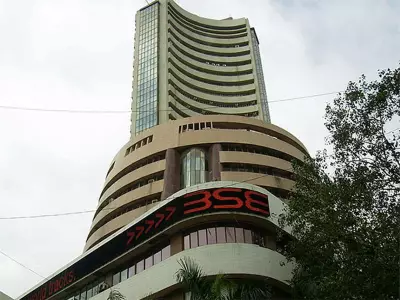
Historic Sunday Trading for Union Budget 2026-27
As the nation awaits the presentation of the Union Budget for the fiscal year 2026-27 by Finance Minister Nirmala Sitharaman today, a significant development has captured the attention of investors and market participants. In an unusual move, stock exchanges will remain operational on a Sunday, allowing for immediate market reaction to the budget announcements. This marks a historic occasion, being the first time in independent India that the Union Budget is being presented on a Sunday.
Market Operations Confirmed Despite Weekend
The Bombay Stock Exchange (BSE) and the National Stock Exchange (NSE) have officially confirmed that trading activities will proceed as scheduled. This decision ensures that investors can respond in real-time to the budget speech, which is expected to focus on key reforms, capital expenditure pushes, and measures to address global economic headwinds. The general market sentiment, often reflected through stock movements, will thus be observable immediately following the budget presentation.
Regular Trading Hours with Minor Adjustments
According to exchange circulars, the regular equity trading session will be conducted from 9:15 am to 3:30 pm. Core market segments, including equities, futures and options, and commodity derivatives, will operate normally. However, certain specialized sessions have been suspended for the day. Specifically, the BSE's T+0 settlement session and the auction session for settlement defaults will not be held, ensuring a streamlined focus on the budget-related trading activities.

A Rare Working Sunday on Dalal Street
Trading on a Sunday is an uncommon occurrence for Dalal Street, making today one of the few working Sundays in recent years. This exceptional arrangement underscores the importance of the Union Budget in shaping economic policies and investor confidence. Market participants are keenly watching for potential announcements, including possible income tax relief for salaried and middle-class taxpayers under the new tax regime for FY 2026-27, which could influence market dynamics.
Holiday Calendar for 2026 Remains Unaffected
The decision to open markets on February 1 does not impact the pre-determined holiday schedule for 2026. Apart from regular weekends, stock exchanges will observe 16 public holidays throughout the year. These include major festivals and occasions such as:
- Holi on March 3
- Ram Navami on March 26
- Mahavir Jayanti on March 31
- Good Friday on April 3
- Ambedkar Jayanti on April 14
- Maharashtra Day on May 1
- Bakri Id on May 28
- Muharram on June 26
- Ganesh Chaturthi on September 14
- Gandhi Jayanti on October 2
- Dussehra on October 20
- Diwali Balipratipada on November 10
- Guru Nanak Jayanti on November 24
- Christmas on December 25
This ensures that the Sunday trading session is a one-off event, integrated seamlessly into the annual market calendar without disrupting planned closures.
As Finance Minister Nirmala Sitharaman delivers her record ninth consecutive budget, market participants are poised to analyze the implications for various sectors, with a particular focus on reforms and capex initiatives. The open markets today provide a unique opportunity for immediate feedback from the investment community, highlighting the dynamic interplay between policy announcements and financial markets in India's evolving economic landscape.