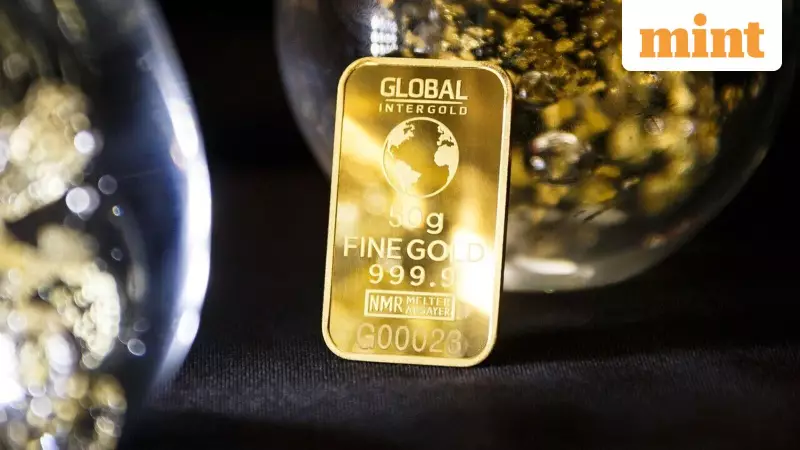
Gold's recent price correction does not signal the beginning of a prolonged bear market for the precious metal, according to multiple Wall Street analysts who remain optimistic about its long-term prospects. Despite falling from record highs, several financial institutions are predicting gold could reach unprecedented levels of $5,000 per ounce within the next two years.
Current Market Position and Recovery
After experiencing a significant pullback in late October that pushed prices below $4,000 per ounce, gold has rebounded to approximately $4,100 in recent trading sessions. The metal currently trades about 7% below its all-time peak of just under $4,400 reached several weeks ago, but this correction appears to be a healthy consolidation rather than a trend reversal.
Strategists at UBS provided a particularly bullish outlook in a report released on Monday, projecting that gold could achieve new record highs of $5,000 per ounce sometime during 2026 or 2027. Their analysis points to fundamental shifts in how investors perceive and utilize gold within their portfolios.

Changing Investor Perception and Market Dynamics
According to UBS strategists, gold is increasingly being viewed as a long-term strategic asset rather than merely a safe-haven investment. They noted that core positions in gold are becoming more resilient, with a noticeable acceleration in the broadening of gold's investor base.
The report emphasized that gold stands to benefit significantly from investors reallocating portions of their portfolios away from traditional assets like stocks, bonds, and the U.S. dollar. Given the relatively smaller size of the gold market compared to other asset classes, even minor shifts in allocation can produce substantial price impacts when they occur across a broad spectrum of investors.
Jeff Jacobson of 22V Research reinforced this positive outlook in his recent analysis, highlighting that gold has maintained its position above the critical 50-day moving average despite the recent price decline. This technical strength suggests the underlying uptrend remains intact.
Fundamental Drivers Supporting Higher Prices
Multiple factors continue to support gold's bullish case according to market experts. The combination of continued central bank purchases aimed at diversifying away from U.S. dollar exposure and growing retail investor participation through exchange-traded funds creates substantial underlying demand.
Jacobson also observed that recent strength in both the U.S. dollar and long-term bond yields appears to be losing momentum. He anticipates both the greenback and 10-year Treasury yields will decline again, creating favorable conditions for gold which typically performs better during periods of dollar weakness and lower interest rates.
Strategists at Pictet Asset Management confirmed that the fundamental case for gold remains compelling despite recent price volatility. They noted that real yields are declining, the dollar continues to show weakness, and developed nations face significant risks of expanding public sector deficits - all factors that historically support gold prices.
Positive Impact on Gold Mining Stocks
The recovery in gold prices has generated positive momentum for gold mining companies as well. Leading miners have seen substantial stock price increases following gold's rebound from its October lows.
Newmont Mining, one of this year's top performers in the S&P 500 and a recent Barron's stock recommendation, has surged nearly 15% since October 27. Another major player, Barrick Mining, jumped more than 5% in a single trading session after reporting strong earnings and announcing enhancements to its dividend and share repurchase programs.
Short-Term Volatility vs Long-Term Outlook
While most analysts remain bullish on gold's long-term trajectory, they acknowledge that near-term volatility will likely persist. Austin Pickle of Wells Fargo Investment Institute described the recent pullback as a much-needed and healthy consolidation after gold became historically stretched.

He cautioned that it might take additional time for excesses to be fully absorbed by the market, meaning gold could experience choppy trading conditions over the coming months. However, the consensus among Wall Street strategists suggests that the necessary conditions are falling into place to eventually push gold toward the next significant milestone of $5,000 per ounce.