Budget 2026 Draws Mixed Reactions: STT Hike and Safety Concerns Take Center Stage
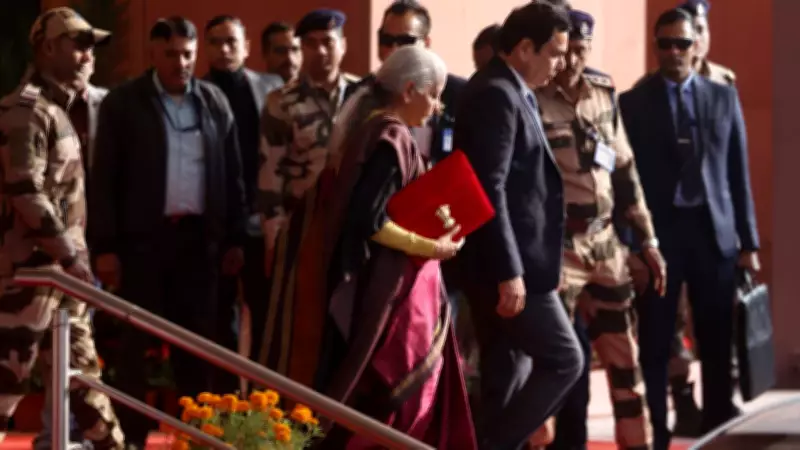
The Union Budget 2026, presented by Finance Minister Nirmala Sitharaman in Parliament, has sparked significant criticism from various quarters, with traders, investors, and women's organizations expressing disappointment over key provisions.
Securities Transaction Tax Increase Disappoints Market Participants
The hike in Securities Transaction Tax (STT) has emerged as a major point of contention. Stock market expert Gaurav Bora stated, "The increase in STT in Union Budget has clearly come as a disappointment for day traders, investors and foreign institutes. Higher STT sends a conflicting message to equity investors."
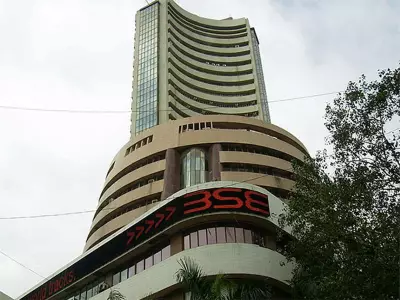
Bora elaborated that STT directly impacts trading costs across all market segments. "Whether retail participants, high-frequency traders or institutional investors, every transaction becomes marginally more expensive. Over time, this reduces trading volumes, affects liquidity, and may dampen overall market participation in benchmark indices like the Nifty 50 and BSE Sensex," he explained, characterizing the move as negative for the stock market.

Foreign Institutional Investors Voice Concerns About India's Competitiveness
Foreign Institutional Investors (FIIs) are comparing India with other emerging markets following the budget announcement. Market analysts suggest that if transaction costs rise without corresponding structural benefits, it could potentially reduce India's relative attractiveness as an investment destination. This concern comes at a time when global capital flows are increasingly sensitive to cost considerations.
Small Scale Industries Express Mixed Feelings
Sandeep Belsare, president of Pimpri-Chinchwad Small Scale Industries Association, acknowledged some positive aspects while highlighting specific disappointments. "While we welcome overall budget, it must be mentioned that there is no relief in income tax. Similarly, the GST on vehicles has not been reduced. While the import duty on vehicles from European Union has been reduced, the same benefit has not been extended to local market by reducing GST. The government has not provided level playing field for the local industry," he remarked.
Women's Safety Measures Found Lacking
Women's organizations and entrepreneurs have expressed disappointment over insufficient safety measures in the budget. Durga Bhor, president of Pimpri Chinchwad Women Small-Scale Entrepreneurs Association, noted, "This year's budget appears to focus on women and youth, which is certainly a welcome move. However, alongside this optimism, there is a sense of regret that certain expectations remain unfulfilled."
Bhor emphasized the need for more concrete measures regarding women's safety, particularly concerning safe public transit and dedicated transport facilities in urban and industrial areas. She also highlighted the persistent issue of inadequate sanitation facilities. "From a health perspective, the basic need for clean and safe public toilets remains unaddressed in many places. The construction of high-quality restrooms for women along national highways, in industrial zones, and in marketplaces should have been a top priority which is lacking in the budget," she added.
Specific Demands for North-East Citizens' Safety
Amika Limbu, a North-East resident who frequently visits Pune, welcomed the proposal to construct girls' hostels in every district but called for enhanced safety measures. "I would like to urge that there should be more focus on safety of women particularly from the north eastern part of our country. Whenever I am in Pune, I am reminded of the attacks on fellow citizens from North-East," she shared.
Limbu proposed specific institutional measures to address these concerns. "I demand that separate police stations for North-East citizens and helplines in every district of the country, including in places like Pune, Mumbai and Delhi should be set up," she stated, highlighting the need for targeted security infrastructure.
Broader Implications and Market Sentiment
The budget reactions reflect broader concerns about:

- Market competitiveness: The STT increase raises questions about India's position relative to other emerging markets
- Inclusive growth: The perceived lack of sufficient women's safety measures suggests gaps in addressing fundamental security concerns
- Industrial policy: Small scale industries' mixed response indicates areas where policy alignment could be improved
- Regional considerations: Specific safety demands from North-East communities highlight the need for geographically sensitive policy approaches
As stakeholders continue to analyze the budget's implications, these initial reactions suggest that while certain initiatives have been welcomed, significant concerns remain unaddressed across multiple sectors of the economy and society.