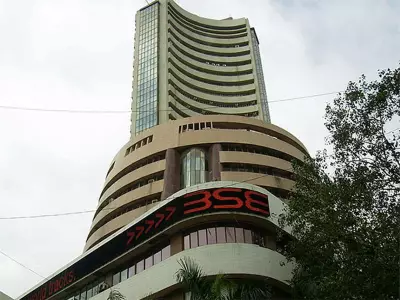
Budget 2026: FM Nirmala Sitharaman Proposes Higher STT on F&O Trading, Stocks React Sharply
In a significant move during her Budget 2026 speech, Finance Minister Nirmala Sitharaman has proposed an increase in the Security Transaction Tax (STT) applicable to futures and options (F&O) transactions. This announcement has immediately impacted the stock market, with several key financial stocks witnessing substantial declines as investors reacted to the proposed tax hike.
Details of the Proposed STT Increase
The Finance Minister outlined that the STT on futures transactions is set to be raised to 0.05% from the previous rate of 0.02%. This represents a notable escalation in transaction costs for traders and investors engaged in the derivatives segment of the market. The proposal aims to adjust tax structures in line with current economic policies, though it has sparked concerns about increased trading expenses and potential impacts on market liquidity.
Immediate Market Reaction and Stock Declines
Following the announcement, the stock market exhibited a sharp negative response, particularly affecting companies involved in brokerage and financial services. Key observations include:

- BSE share price and Angel One shares each declined by as much as 10%, reflecting heightened investor anxiety.
- Groww shares saw a drop of 9.6%, indicating broader market concerns over the tax implications.
- IIFL Finance stock price fell by 4.9%, adding to the downward trend in financial sector stocks.
These declines underscore the market's sensitivity to changes in transaction taxes, which can influence trading volumes and profitability for brokerage firms. Investors are closely monitoring the situation for further developments and potential adjustments in trading strategies.
Broader Implications for the Financial Sector
The proposed STT hike is part of the broader Budget 2026 initiatives, with potential ripple effects across the financial landscape. Analysts suggest that this move could lead to:
- Increased transaction costs for derivatives traders, potentially reducing speculative activities.
- Impacts on brokerage revenues, as higher taxes might discourage frequent trading.
- Shifts in investor behavior towards other asset classes or trading instruments with lower tax burdens.
As the market digests this news, stakeholders are awaiting more details from the government on the implementation timeline and any possible exemptions or clarifications. The Finance Ministry's proposal marks a pivotal moment in India's fiscal policy, with ongoing updates expected to shape market dynamics in the coming days.