

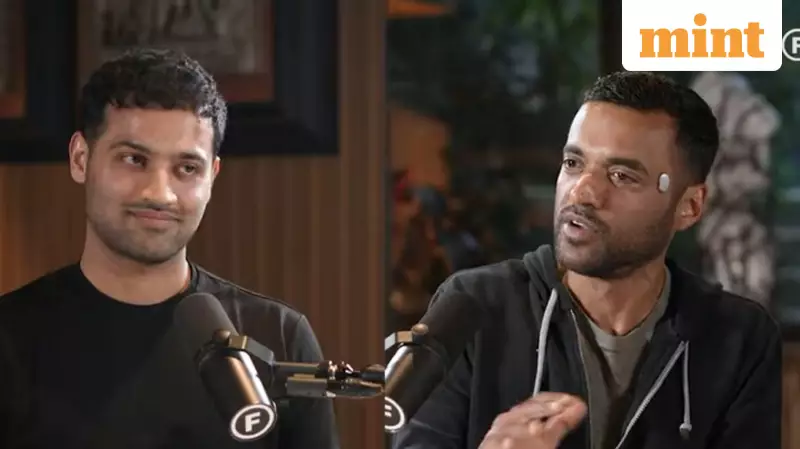
In a candid conversation, Zomato founder and CEO Deepinder Goyal has revealed the pivotal moment when rival Swiggy surged ahead in India's fiercely competitive food delivery market. He also addressed the recent controversy surrounding his abrupt exit from the popular business reality show, Shark Tank India.
The Delivery War: How Swiggy Took the Lead
During a recent four-hour podcast with Raj Shamani, Goyal reflected on the strategic misstep that allowed Swiggy, founded in 2014, to gain a significant advantage. While Zomato had been a dominant restaurant discovery platform since 2008, the landscape shifted dramatically when Swiggy entered the scene with a pure-play food delivery model.
Goyal admitted that for a couple of years, he resisted entering the delivery logistics business, believing the model was fundamentally unprofitable. "I think food delivery logistics. They actually started it. For a couple of years, I was resisting it thinking that this model can never make money," Goyal stated. He justified his initial stance by pointing out that Swiggy's "economics were very off" and it was hard to see a path to profitability at the time.

However, Swiggy's strategy of aggregating hundreds of restaurants and offering deep discounts quickly made food delivery the new 'cool' convenience. The overwhelming customer love and retention for Swiggy became impossible to ignore. "When your own friends are saying that 'I am not doing any more orders from Zomato, I will do it from Swiggy', you know that you have a problem at your hand," Goyal recounted. This direct feedback forced Zomato's hand to finally build its own delivery network.
The Shark Tank India Controversy Explained
Beyond the business rivalry, Goyal also shed light on a recent public controversy. He addressed rumours about why he appeared as a judge on Shark Tank India for only one season. Goyal revealed that after initial talks for the next season, the show's creators suddenly backed out.
"One day later, they called us and said they couldn't do it. I said, 'That's cool, but why?'" Goyal shared. The reason, he was told, was directly linked to Swiggy's sponsorship of the show. "They told us that we can't have you," Goyal said, indicating that Swiggy, as a sponsor, had raised objections to his presence on the panel.
Lessons Learned and The Road Ahead
Goyal's reflections highlight a classic tale of disruptive innovation. Swiggy identified and executed on a nascent consumer need—integrated food delivery logistics—while the established player, Zomato, initially dismissed its viability. Goyal conceded that even Swiggy's founders might not have been sure of the economics, but the market demand was undeniable.
This episode ultimately pushed Zomato to aggressively pivot and build its own delivery infrastructure, setting the stage for the intense, two-player market that exists today. The Shark Tank incident further underscores how these corporate rivalries extend beyond customer apps into broader brand and media influence.
The insights from the podcast paint a picture of a dynamic Indian startup ecosystem where first-mover advantage, deep consumer insight, and the ability to pivot quickly are critical for survival and dominance.






