

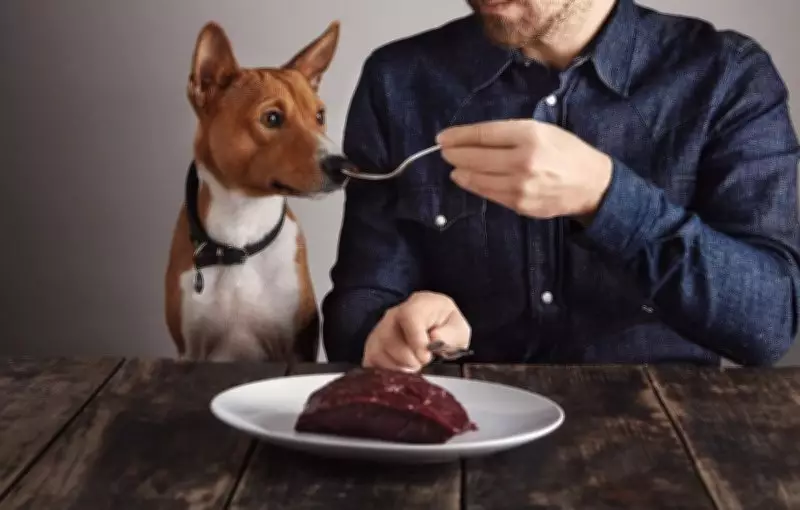
Pet owners increasingly seek safe and healthy treats for their furry companions, leading to a rise in pet-friendly bakeries. But what exactly goes into a pet-safe dessert? Unlike human cakes, these treats avoid toxic ingredients like chocolate, xylitol, and excessive sugar.
Key Ingredients in Pet-Safe Desserts
Pet-safe cakes typically use whole wheat or oat flour instead of refined flour. Peanut butter (xylitol-free) is a common flavoring, along with pumpkin puree, applesauce, or carrots for natural sweetness. Eggs and yogurt provide protein and moisture, while cream cheese or carob (a chocolate substitute) can be used for frosting.
Avoiding Harmful Additives
Bakers must steer clear of raisins, grapes, onions, garlic, and macadamia nuts, which are toxic to dogs. Artificial sweeteners, especially xylitol, are strictly avoided. Instead, honey or mashed bananas offer safe sweetness.

The Baking Process
The process begins with mixing dry and wet ingredients separately, then combining them gently to avoid overmixing. The batter is baked at a lower temperature (around 350°F) to prevent burning. After cooling, the cake is often topped with a yogurt-based frosting or carob drizzle.
Customization for Dietary Needs
Some pets have allergies or sensitivities, so bakers may substitute ingredients like using coconut flour for gluten-free options or avoiding dairy with coconut yogurt. Always consult a vet before introducing new treats.
Pet-safe desserts are not just about taste but also about health. They provide a way to celebrate occasions without compromising your pet's well-being. As the trend grows, more bakeries are offering these specialized treats, ensuring every family member can join the party.






