

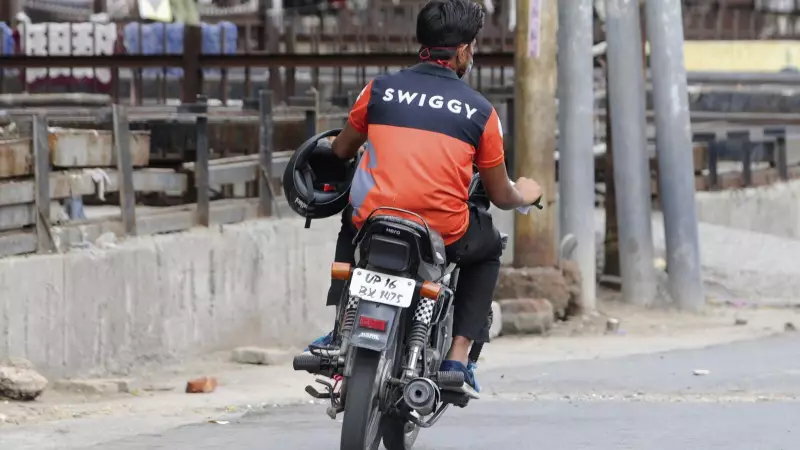
In a classic case of growth coming at a cost, Swiggy's second quarter financial results for FY24 present a mixed bag of impressive revenue expansion coupled with deepening losses that have investors watching closely.
Revenue Rocket Ship with Heavy Fuel Costs
The food delivery major reported a spectacular 40% year-on-year surge in operating revenue, climbing to ₹2,730 crore during the July-September quarter. However, this growth engine is burning significant cash, with net losses widening by 15% to reach ₹1,630 crore compared to the same period last year.
5 Critical Takeaways for Investors
1. The Core Business Conundrum
Swiggy's food delivery marketplace revenue jumped an impressive 32% to ₹2,130 crore, demonstrating strong consumer demand and market penetration. Yet this segment's contribution margin declined from 14.5% to 12.5%, indicating rising operational costs and competitive pressures.

2. Instamart's Expensive Expansion
The quick commerce vertical continues to be a major cash drain. While growing rapidly, Instamart and other new initiatives saw losses mount to ₹1,630 crore, reflecting the heavy investments required to capture market share in the hyper-competitive quick commerce space.
3. Employee Benefits Bloat
Employee benefit expenses surged by 35% to ₹1,110 crore, significantly outpacing revenue growth. This includes one-time ESOP costs of ₹390 crore, highlighting the company's aggressive talent acquisition and retention strategies in a tight job market.
4. Marketing Muscle Flexing
Total expenses ballooned to ₹4,360 crore, with sales and marketing costs playing a major role. The company is clearly prioritizing customer acquisition and retention through substantial promotional spending and discounting.
5. The Path to Profitability Question
Despite the revenue surge, Swiggy's path to profitability appears longer than anticipated. The widening losses raise important questions about when the company can achieve sustainable unit economics, especially as market competition intensifies.
Market Context and Future Outlook
These results come at a crucial time for Swiggy, which has been preparing for its much-anticipated initial public offering. The company needs to demonstrate to potential investors that it can eventually translate top-line growth into bottom-line profitability.
The food delivery giant faces stiff competition from Zomato, which recently reported its second consecutive profitable quarter, putting additional pressure on Swiggy to show similar financial discipline while maintaining growth momentum.
Industry analysts will be watching closely to see if Swiggy can leverage its scale to improve margins in coming quarters, or if the pursuit of market share will continue to come at the expense of profitability.






