

Muslim Entrepreneurs Forge New Pathways in India's Economic Landscape
Across India's bustling cities and quiet towns, a quiet revolution is unfolding. Muslim entrepreneurs are building innovative solutions to everyday challenges, creating an inclusive economy that addresses specific community needs while contributing to national growth.
Professional Empowerment Through Digital Platforms
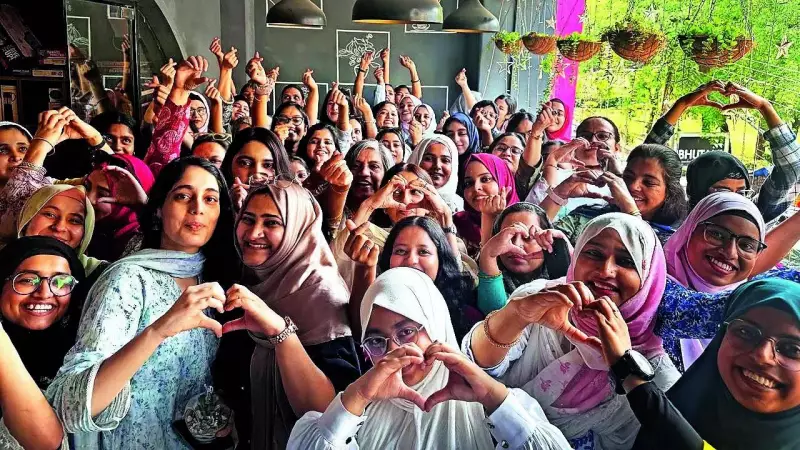
In New Delhi's National Capital Region, Ruha Shadab conducts evening sessions that bridge the gap between education and employment for Muslim women. Through her laptop screen, she connects with participants across geographies, some wearing hijabs, others without, all united by their professional aspirations.
"I realized quickly that I was being read before I was being heard," Shadab reflects on her return to India after studying abroad. This insight led her to establish Led By in 2019 while studying at Harvard University. The organization specifically targets women aged 18-30 from lower middle-income households, providing guidance on LinkedIn profiles, interview techniques, and professional etiquette.

To date, approximately 1,200 women have completed Led By's comprehensive programs, with over 50,000 receiving various forms of support. Many represent the first generation in their families to pursue formal employment, breaking traditional barriers through digital empowerment.
Financial Inclusion Through Ethical Investing
In Jharkhand's Garhwa district, Nadim Iqbal Khan examines stock-market data through a unique lens. The 29-year-old financial consultant evaluates listed companies against religious parameters: avoiding alcohol, gambling, excessive debt, and interest-heavy income (Riba).
"People don't call me asking how to get rich. They call asking if something is halal," Khan explains, highlighting how religious permissibility often precedes profit considerations for his clients.
Since the COVID-19 pandemic, queries about Sharia-compliant investing have multiplied significantly. Khan approaches investing as "shared ownership" in businesses, where both profits and losses are distributed, making the income permissible within Islamic frameworks. Remarkably, approximately half of India's listed companies meet these ethical criteria, with indices like Nifty Shariah and BSE Shariah already tracking compliant stocks.
Digital Solutions for Traditional Needs
The transformation extends beyond finance into personal life domains. In Delhi, Hammad Rahman recognized changing family structures as traditional "rishta networks" diminished with nuclear family trends. His response was NikahForever, a Muslim matrimony platform launched in 2019 that prioritizes marriage over dating.
The platform addresses specific community expectations: cultural familiarity, privacy protection, and clear marital intentions. Today, NikahForever boasts over 2 million registered users across India and abroad, demonstrating how technology can preserve cultural values while adapting to modern realities.
Fashion Meets Functionality
In Mumbai, Nidah Merchant identified a practical gap in women's activewear. For her, modest fashion represented not a political statement but a logistical necessity—finding appropriate gym wear, swimwear, and travel clothing required constant adjustment.
When modest fashion gained visibility on social media, Merchant recognized this struggle was widely shared. She launched Némah in 2020, creating modest activewear and swimwear specifically designed for Indian conditions and body types, empowering women to participate in public activities without compromising personal values.
Educational Technology for Religious Learning
During the pandemic, Quran learning transitioned online but remained fragmented across platforms. Delhi-based entrepreneurs Muhammad Sufyan Saif and Mohammed Imran addressed this gap in 2022 with AzanGuru, a technology-led learning application that beams Quran tutors directly to learners' devices.
The platform has achieved remarkable traction with over 500,000 downloads, demonstrating how religious education can adapt to digital formats while maintaining authenticity and accessibility for modern learners.

Economic Participation Data Shows Progress
These entrepreneurial efforts coincide with measurable improvements in economic participation. According to the Periodic Labour Force Survey, India's overall female labor force participation reached approximately 31.7% in 2023-24. For Muslim women specifically, participation increased to around 21%, up from approximately 15% in 2021-22, as reported by the Ministry of Minority Affairs.
While Muslim aspiration in India has historically been framed through metrics of "lack"—lower education levels, fewer employment opportunities, and reduced incomes—this narrative is gradually shifting. The entrepreneurs profiled represent a growing cohort addressing practical needs rather than ideological positions.
Together, these ventures form an emerging economic ecosystem shaped more by practical necessity than political ideology, filling gaps where mainstream services fall short and creating pathways for fuller participation in India's urban, technology-mediated life.





