The year 2025 painted a fascinating picture of Bengaluru's consumption patterns, especially in the realm of quick commerce and online deliveries. Data from major platforms revealed a city of contrasts, where staggering generosity coexisted with a sharp focus on ultra-convenient, bite-sized shopping.
The Peak of Generosity: Record-Breaking Tips on Instamart
One of the most startling data points to emerge was the highest single tip recorded on the Instamart platform in Bengaluru during 2025: a jaw-dropping Rs 68,600. This extraordinary act of gratitude, left for a delivery partner, highlighted the deep appreciation some residents have for the convenience provided by quick commerce services, especially during demanding times or for large, essential orders.
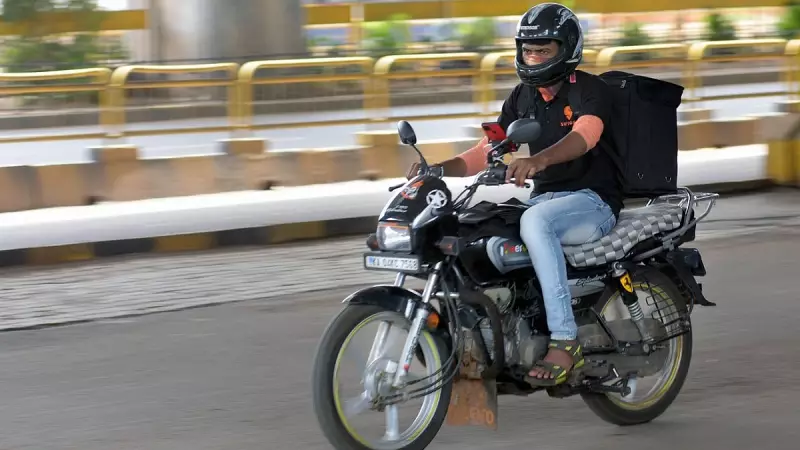
While such a tip was an outlier, it reflected a broader trend of customers in the IT capital willingly rewarding good service. Platforms like Swiggy Instamart, Zepto, and Blinkit have ingrained themselves into the daily fabric of city life, making these tips a direct feedback mechanism from users to the executives braving the city's infamous traffic.

The Rise of the Micro-Cart: The Rs 10 Phenomenon
On the opposite end of the spectrum, 2025 also solidified the trend of the "micro-cart" or "tiny cart." A significant number of Bengalureans used these quick apps for purchases as small as Rs 10. What could one buy for ten rupees? The data pointed to last-minute, urgent needs:
- Green chillies or a single lemon, crucial for tempering a dish already on the stove.
- A couple of garlic pods or a small piece of ginger, forgotten during the weekly bulk shopping.
- Correction pens or a single pen refill, needed urgently for work or study.
- Small sachets of sauces or instant coffee.
This behavior underscores a fundamental shift: quick commerce is no longer just for monthly groceries or large orders. It has evolved into a real-time solution for immediate, small-scale needs, effectively acting as a digital extension of the neighbourhood kirana store, but with 10-30 minute delivery.
What This Tells Us About Bengaluru's Lifestyle
The coexistence of the massive tip and the tiny cart reveals key aspects of life in India's tech hub. The premium on time is higher than ever. Professionals, students, and families are willing to pay for convenience, whether it's avoiding a trip for a single item or generously tipping someone who saves them that time. The success of quick commerce is intrinsically linked to Bengaluru's fast-paced lifestyle, traffic woes, and high density of young professionals and nuclear families.
Furthermore, the data suggests users have become savvy in leveraging these platforms for different purposes. They might do a large weekly stock-up from one app while using another for multiple, hyper-local mini-orders throughout the week. The "top-up" model of shopping is becoming mainstream, challenging the traditional weekly market or supermarket run.
The year 2025 proved that Bengaluru's relationship with quick commerce has matured beyond novelty. It is now a nuanced, integrated service where extremes of consumer behavior—from exceptional reward for service to the pursuit of ultimate convenience for trivial sums—define the market. As platforms continue to innovate on speed and product range, these trends are likely to deepen, further reshaping retail and consumption habits in the city.