

Traditional Indian Architecture's Cooling Secrets for Modern Sustainable Homes
In an era of escalating urban temperatures and energy crises, the architectural wisdom of traditional Indian homes offers profound lessons for contemporary design. These structures, built long before the widespread adoption of air conditioning, functioned as sophisticated passive cooling systems through intelligent design choices. Across diverse climates—from the arid deserts of Rajasthan to the humid coastal regions of Kerala—builders demonstrated a remarkable understanding of environmental adaptation. Today, as cities grapple with heat islands and soaring energy demands, revisiting these time-tested principles could revolutionize modern real estate and architectural practices toward greater sustainability and comfort.
Climate-Responsive Orientation and Strategic Layout
Traditional Indian homes were meticulously oriented based on solar patterns and prevailing wind directions. Architects positioned openings, windows, and doors to maximize cross-ventilation while minimizing exposure to harsh sunlight. Strategic placement of walls, shaded verandahs, and courtyards created natural airflow channels that prevented heat buildup. This thoughtful layout ensured interiors remained significantly cooler throughout the day without relying on mechanical systems, demonstrating an early mastery of bioclimatic design principles that modern architects are now rediscovering.
Utilization of Natural and Locally Sourced Materials
The construction materials themselves played a crucial role in thermal regulation. Builders extensively used mud, stone, lime plaster, and clay roof tiles—all naturally insulating materials readily available in local environments. Thick walls, sometimes exceeding two feet in width, acted as thermal barriers that slowed heat transfer dramatically. These massive walls absorbed heat during daytime hours, keeping interior spaces cool, then gradually released stored warmth at night, maintaining relatively stable temperatures. This use of indigenous materials not only enhanced energy efficiency but also reduced transportation costs and environmental impact, creating buildings perfectly adapted to their specific regional climates.

Courtyards as Sophisticated Natural Cooling Systems
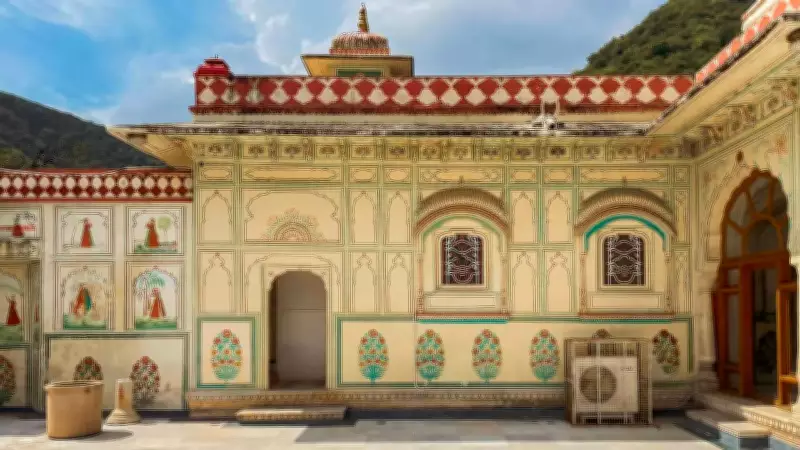
Central courtyards represented one of the most ingenious features of traditional Indian architecture. These open spaces functioned as natural ventilation engines, facilitating the stack effect where hot air rises and escapes upward while drawing cooler air from surrounding shaded areas. When combined with vegetation, water features like small ponds or fountains, and strategically placed trees, courtyards transformed into microclimate modifiers that significantly lowered ambient temperatures. This multi-functional space served as a family gathering area, light well, and thermal regulator—a holistic design approach rarely seen in contemporary construction.
Shaded Elements and Passive Cooling Features
Traditional designs incorporated numerous elements specifically engineered for thermal comfort:
- Verandahs: Deep, shaded porches that blocked direct sunlight while allowing indirect light and breezes
- Jalis (Perforated Screens): Intricate stone or wood lattices that filtered harsh sunlight, created dappled shade, and permitted air circulation
- Sloping Roofs: Angled designs that facilitated rainwater drainage and provided additional shaded areas
- High Ceilings: Created air pockets where hot air could accumulate away from living spaces
These features worked synergistically to reduce solar heat gain while maintaining aesthetic beauty and cultural identity, proving that functional design could be both practical and artistically meaningful.
Modern Applications and Sustainable Integration
Contemporary architecture stands to gain tremendously by reintegrating these passive design strategies. Key applications include:

- Prioritizing Natural Ventilation: Designing buildings with operable windows, ventilation shafts, and wind-responsive layouts
- Selecting Climate-Appropriate Materials: Using modern versions of traditional materials with improved insulation properties
- Incorporating Green Spaces: Integrating courtyards, vertical gardens, and water features as active cooling elements
- Optimizing Shading: Employing external louvers, deep overhangs, and strategic landscaping to minimize solar exposure
By blending traditional wisdom with contemporary technology, architects can create buildings that significantly reduce dependence on energy-intensive air conditioning. This approach not only lowers operational costs but also decreases carbon footprints while enhancing occupant comfort through more natural, healthful environments.
The enduring lesson from traditional Indian architecture is profound: thermal comfort doesn't necessarily require complex technology or excessive energy consumption. Instead, intelligent design that works with—rather than against—natural forces can create comfortable living spaces. As cities worldwide face escalating temperatures and energy challenges, these ancient principles offer a roadmap for creating smarter, greener, and more resilient buildings for future generations.





