A new report from global property consultant Knight Frank India highlights the transformative potential of the upcoming Regional Rapid Transit System (RRTS) corridors. The study, titled 'The India Story - The Impact of RRTS on Real Estate,' forecasts a significant boost to urban mobility and a surge in real estate investment across the National Capital Region (NCR).
Unlocking Economic Potential and Connectivity
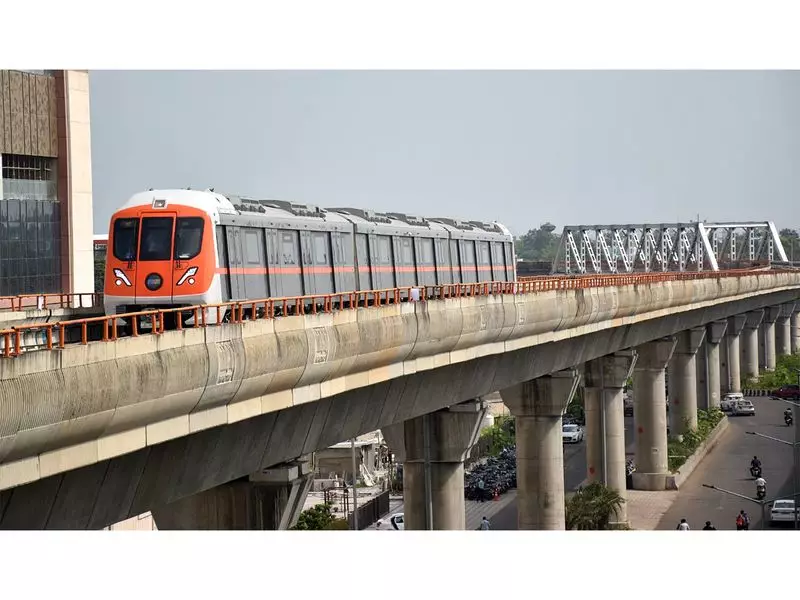
The core finding of the report is that the RRTS network is poised to be a game-changer for the region. By drastically reducing travel time between major urban centers, the corridors will effectively create a unified economic zone. The Delhi-Meerut RRTS corridor, for instance, is expected to slash the commute between Delhi and Meerut to under 60 minutes. This enhanced connectivity is not just about convenience; it's a powerful economic catalyst that will redistribute commercial and residential growth more evenly across the NCR.
Shishir Baijal, Chairman and Managing Director of Knight Frank India, emphasized the scale of the impact. He stated that the RRTS represents a monumental shift in India's infrastructure landscape. The system is designed to bridge the gap between cities, fostering integrated development and unlocking the latent potential of numerous localities that were previously considered peripheral due to connectivity constraints.

A Catalyst for Real Estate Development and Investment
The report delves deep into the real estate implications of this massive infrastructure project. Improved accessibility is a primary driver of property value appreciation and development activity. The RRTS corridors are expected to stimulate substantial real estate investment in both residential and commercial segments along their routes.
Key nodes and stations along the corridors are predicted to become hotspots for mixed-use developments, including housing complexes, office spaces, and retail hubs. This will provide a significant impetus to the real estate markets in cities like Meerut, Ghaziabad, Gurugram, and other NCR towns. The report suggests that developers and investors are already eyeing these emerging corridors, anticipating long-term value creation as the network becomes operational and ridership grows.
Broader Impact on Urban Planning and Sustainability
Beyond immediate real estate gains, the Knight Frank analysis points to broader urban benefits. The RRTS is envisioned as a high-speed, high-frequency, and comfortable mass transit solution. This is expected to encourage a modal shift from private vehicles to public transport, contributing to reduced traffic congestion and lower carbon emissions in one of India's most populated regions.
The development aligns with the government's vision of promoting sustainable urban growth and developing smart cities. By decongesting the core of Delhi and enabling the growth of satellite cities, the RRTS network can lead to more balanced regional development. The report concludes that the successful implementation of the RRTS will set a benchmark for future infrastructure projects in India, demonstrating how strategic transit investments can reshape urban economies and living patterns.
In summary, the Knight Frank India report positions the RRTS as much more than a transport project. It is a critical infrastructure intervention that will redefine urban mobility, unlock real estate value, and promote sustainable economic growth across the National Capital Region for decades to come.