

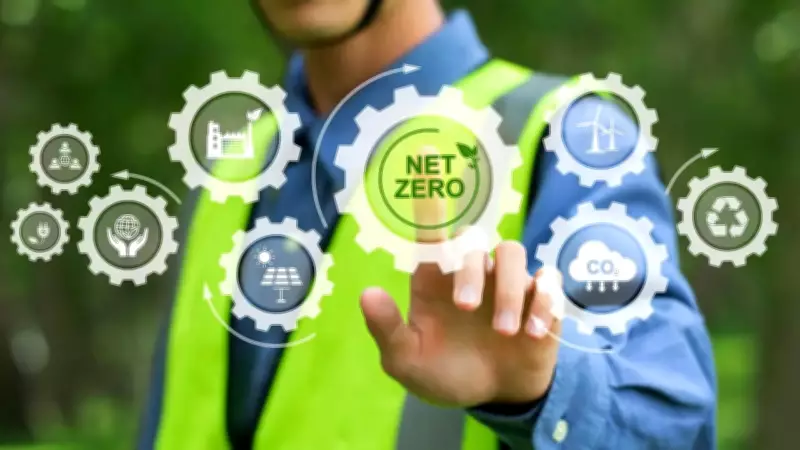
Net-Zero Homes: The Future of Sustainable Real Estate and Eco-Friendly Living
As the world increasingly embraces responsible and environment-friendly living, a profound revolution is underway in the real estate industry. With escalating energy costs and stringent environmental regulations, the sector is compelled to innovate beyond traditional building methods. Among the most transformative concepts emerging for the near future is the net-zero home, which is rapidly evolving from a niche trend to a cornerstone of modern construction.
Net-zero homes are no longer a fleeting fad but represent the definitive future of residential building. Their surging popularity is fundamentally reshaping the landscape of real estate, prioritizing sustainability and efficiency in ways previously unimaginable.
What Are Net-Zero Homes?
A net-zero home is a residential property meticulously designed to generate as much energy as it consumes over an entire year. This equilibrium is accomplished through a synergistic blend of energy-efficient construction techniques and renewable energy systems, such as solar panels. Consequently, the home achieves a net energy usage of zero, drastically diminishing reliance on external power grids and fostering greater energy independence.

Focus on Renewable Energy Sources
A hallmark of net-zero houses is their emphasis on harnessing renewable energy sources, with solar power being the most prevalent. Solar panels are extensively utilized to power households, effectively slashing electricity consumption from conventional sources. This adoption of solar energy serves as a pivotal alternative, aimed at safeguarding the environment and mitigating the adverse effects of global warming by reducing fossil fuel dependence.
Superior Energy Efficiency in Design
Net-zero homes are constructed with advanced features like high-performance insulation, airtight structures, and energy-efficient windows and doors. These elements work in concert to prevent energy loss and maintain stable indoor temperatures, thereby minimizing the need for extensive heating and cooling systems. Such efficient design is crucial in lowering the overall energy demand, ensuring that homes operate at peak performance with minimal waste.
Reduced Carbon Footprint and Environmental Impact
The production and utilization of net-zero homes are geared towards eliminating energy wastage, leading to a substantial reduction in greenhouse gas emissions released into the atmosphere. In this context, net-zero houses play a vital role in environmental protection and actively contribute to combating climate change, aligning with global sustainability goals.
Long-Term Cost Savings for Homeowners
While the initial construction costs of a net-zero house may be higher, the long-term financial benefits are considerable, particularly in terms of electricity savings. Over time, operational expenses are significantly lowered, underscoring the cost-effectiveness of these buildings. Studies consistently demonstrate that net-zero homes can yield substantial cost reductions, making them a prudent investment for the future.
Enhanced Comfort and Health Benefits
These residences offer notable comfort and health advantages due to consistent temperature regulation, superior ventilation, and enhanced air quality. Equipped with amenities like improved insulation and advanced air filtration systems, they provide a healthier living environment. Residents of net-zero homes can enjoy not only greater comfort but also improved well-being, thanks to the innovative techniques integrated into their design.
Driving Trends in Sustainable Real Estate
Net-zero homes are at the forefront of driving transformative trends in the real estate sector. Developers are increasingly adopting eco-friendly designs, while buyers are showing a marked preference for energy-efficient properties. This shift is fostering innovation, elevating property values, and shaping the future of sustainable urban development. Net-zero homes have redefined modern housing by offering a blend of sustainability, efficiency, and innovation, positioning themselves as an integral part of the real estate landscape for years to come.






