Construction Activity in Mangaluru Grinds to a Halt as Migrant Labor Force Dwindles
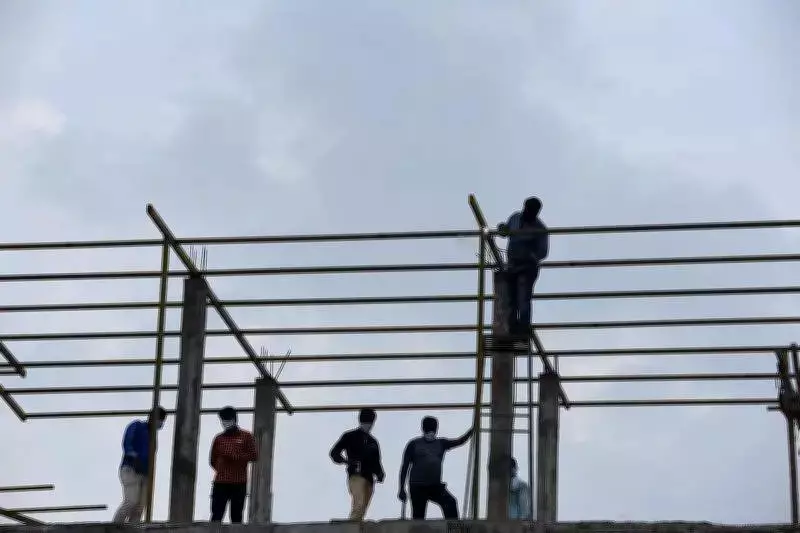
Construction projects across Dakshina Kannada district, particularly in the coastal city of Mangaluru, have experienced a severe slowdown throughout the month of April. This deceleration is directly attributed to a substantial reduction in the number of migrant laborers arriving from northern and eastern Indian states including Bihar, Uttar Pradesh, Jharkhand, and West Bengal.
Election Season and Home State Development Drive Labor Exodus
While the periodic return of workers during election cycles is a well-documented trend, industry experts highlight a more persistent factor influencing this migration pattern. Developmental works and infrastructure projects in the laborers' home states are now providing compelling alternatives that keep skilled workers closer to their families.
"Just as residents of Mangaluru seek employment opportunities in Gulf countries for better wages, skilled construction workers traditionally migrated from states like Uttar Pradesh and Bihar to coastal Karnataka," explained Satish Jogi, Vice-President of the Civil Contractors' Association in Mangaluru. "Even without immediate elections in their home states, many are choosing to return because significant development projects there now offer gainful employment while allowing them to remain near their loved ones."

Critical Shortage of Skilled Labor Paralyzes Construction Sector
Contractors emphasize that specialized skilled laborers—particularly masons and plastering masons—are absolutely essential for executing multi-storey building projects. "Approximately fifty percent of construction activity in Mangaluru involves high-rise residential and commercial buildings," noted Vinayak Pai, President of the Canara Builders' Association.
The labor shortage has reached such critical levels that Pai estimates eighty-five percent of ongoing construction work has come to a grinding halt. According to the Confederation of Real Estate Developers' Associations of India (CREDAI), Mangaluru currently has over one hundred active construction projects.
Ujwal D'Souza, past chairman of the Association of Consulting Civil Engineers India's Mangaluru centre, provided concrete evidence of this workforce depletion. "Before the recent election season, I had thirty skilled bar benders and shuttering carpenters working on projects. That number has dwindled to just eleven, and even those remaining workers plan to demobilize by Saturday," D'Souza revealed. He confirmed this trend affects workers from both election-bound and non-voting states including West Bengal, Assam, Jharkhand, Bihar, and Uttar Pradesh.
Changing Migration Patterns and Economic Considerations
Construction stakeholders observed that traditional migration patterns have shifted significantly. Previously, the workforce would typically return to their villages during festivals like Holi or the monsoon season, usually returning after approximately one month.
"Now the timing creates particular challenges for our industry," explained Pai. "With the monsoon approaching, this is precisely when we need to accelerate project completion and foundation laying before weather conditions deteriorate."
Economic factors further complicate the situation. Migrant construction laborers can now earn approximately Rs 650 per day in their home states, a substantial increase from the Rs 200 daily wage available just five years ago. Despite Mangaluru offering daily wages exceeding Rs 1,200, many workers are choosing the lower-paying local employment to remain with their families.
"Migrant skilled laborers constitute up to eighty percent of our total workforce, while local workers meet only about twenty percent of demand," industry representatives emphasized, highlighting the sector's heavy dependence on interstate migration.
Community Impact and Long-Term Absence
The labor exodus has created noticeable ripple effects throughout the local economy. A shop owner in Mangaluru described how approximately forty laborers who regularly purchased quick snacks like lassi, biscuits, ice cream, and soft drinks after work have all departed.

"They informed us they were returning home and wouldn't be back for approximately seven months—after both the election season and monsoon period in their home states," the shopkeeper recounted. "Many mentioned they had secured larger painting and carpentry projects in their home regions."
This extended absence suggests that the current construction slowdown in Dakshina Kannada may persist well beyond the immediate election period, potentially affecting project timelines and real estate development throughout the remainder of the year.