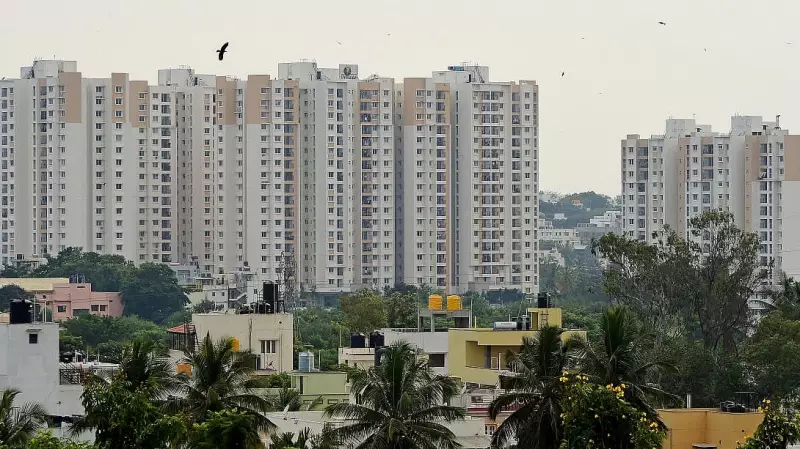
In a significant move aimed at boosting urban housing density, the Karnataka government has announced a major relaxation of building construction norms. The revised regulations will permit a greater number of residential units on standard plot sizes, a decision poised to reshape the real estate fabric of cities like Bengaluru.
Key Changes in Development Regulations
The core of the policy shift lies in the increased Floor Area Ratio (FAR) and the allowance for more independent dwelling units. According to the new rules, plots measuring 60 feet by 40 feet can now accommodate up to six flats. This marks a substantial increase from previous limitations and is expected to unlock new development potential in densely populated areas.
For even larger properties, the norms have been eased further. On plots spread over 360 square metres (approximately 3,875 square feet), developers can now build a maximum of eight dwelling units. This change is designed to optimize land use in urban centres facing a housing shortage.

Impact on Common Bengaluru Plot Sizes
The revision holds particular significance for Bengaluru's most prevalent plot size. The government has specifically addressed the standard 30x40 plot, now allowing it to have four kitchens. This provision effectively enables the construction of four independent residential units on such plots, whether configured as separate floors or distinct sections within a building.
This specific amendment is a direct response to the city's growing demand for compact, affordable housing options. It allows landowners and developers to better utilize smaller parcels of land, potentially increasing the housing stock in established neighbourhoods.
Potential Consequences and Market Outlook
The policy easing, announced on 06 January 2026, is likely to have wide-ranging effects. Proponents argue it will catalyze redevelopment, increase housing supply, and improve affordability by making better use of expensive urban land. It could incentivize the overhaul of older, single-family homes into modern apartment complexes.
However, urban planners and civic activists may raise concerns about increased strain on existing infrastructure. The higher density will necessitate a critical review of water supply, sewage systems, parking availability, and traffic management in affected localities. The success of this policy will hinge on parallel upgrades to civic amenities.
For the real estate market in Karnataka, especially in Bengaluru, this is a transformative update. It opens new avenues for developers and provides homeowners with additional options to monetize their property. The move reflects the state government's push towards more efficient urban land utilization amidst rapid urbanization.