India's Property Development Sector Enters Challenging Phase
India's real estate market is confronting difficult times as years of buoyant demand give way to slowing momentum. According to industry analysts, sales growth appears to have peaked while developers are beginning to experience funding constraints that threaten ongoing projects.
Warning Signs from Major Developers
The recent performance of Oberoi Realty served as a significant warning signal for the sector. When the prominent Mumbai builder missed analysts' forecasts for both sales and profit while posting a smaller operating margin in its residential unit, investors responded with a stampede out of Indian property stocks. This reaction highlighted growing unease with real-estate developers that has been building for some time.
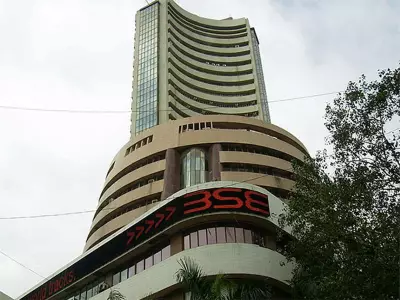
The BSE Realty Index reflects this sentiment, having declined more than 30% from its peak in June 2024. The current market pessimism represents a stark reversal from the post-pandemic period when retail investors' financial portfolios were filled with substantial gains from previous years.

Construction Challenges and Financial Pressures
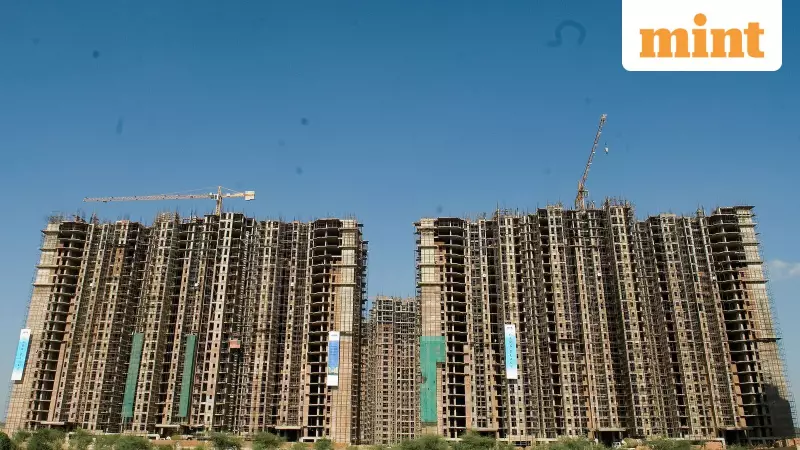
Property research firm Liases Foras has identified a critical issue facing the industry: the challenge of constructing what has already been sold. The data reveals a concerning trend in construction efficiency:
- In 2017, developers were putting 3.3 million square feet of new supply on the market while completing construction on 2.4 million square feet (74% completion rate)
- Last year, while hawking 3.6 million square feet, they finished only 2 million square feet (57% completion rate)
This slowdown in construction has multiple negative consequences:
- Delayed revenue recognition for developers
- Higher execution risk for ongoing projects
- Potential defaults on delivery commitments
Market Dynamics and Affordability Concerns
The current market situation reflects several interconnected factors:
During the post-pandemic recovery phase, builders responded to increased demand by purchasing land at elevated prices and launching numerous new projects. The market initially rewarded this expansion with higher valuations, viewing their strengthened balance sheets as signs of confidence.
However, the landscape has shifted significantly. Affordability has become a growing concern for the middle class as white-collar wages face pressure from artificial intelligence advancements and geopolitical uncertainties. India's extreme wealth inequality has kept the market somewhat propped up, with buyers of homes priced above ₹10 crore carrying much of the demand, particularly in major urban centers like Mumbai.
Operational Challenges Across Regions
The construction slowdown has multiple contributing factors beyond financial constraints:
- In Delhi, hazardous air pollution has led to temporary construction bans, creating serious impediments to outdoor work
- In Mumbai, builders struggled to obtain environmental clearances throughout last year
- Skilled tradespeople including plumbers, electricians, and carpenters are finding better earnings in the gig economy than on real-estate projects
- Political initiatives providing cash to women may be affecting their participation in construction crews far from their village homes
Funding Concerns and Future Outlook
A simpler explanation for the construction slowdown may be that builders are starting to run out of funds as demand moderates. If completions continue at their current pace, buyers may become increasingly anxious about financially weaker players' ability to deliver finished homes.
The pre-sales model, where booking amounts are paid before construction begins, could face increased scrutiny similar to what has occurred in China. While India hasn't reached China's scale of problems—where China Vanke alone has $19 billion in presold properties pending delivery—the warning signs are becoming increasingly visible.

Industry analysts note that while Indian developers haven't reached a similar point of panic, fear has definitely entered the market. The broader implication is that developers' efforts to boost valuations through new project launches are not generating commensurate economic activity, creating uncertainty about how long the current bout of pessimism will persist.