

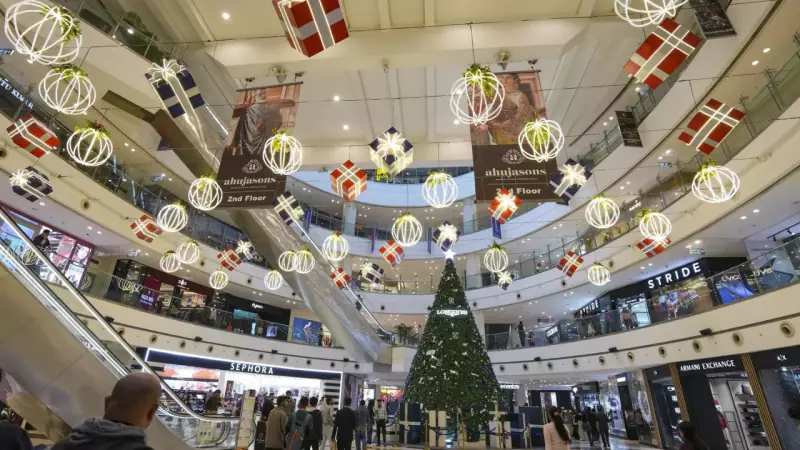
At a time when shopping centres in Western nations are grappling with widespread shutdowns, India's retail landscape is experiencing a remarkable surge, positioning itself as a rare global success story. According to a report by real estate consultancy Anarock, strong consumption trends and growing institutional investor interest are fueling this renewed momentum.
Contrasting Fortunes: West vs India
Since 2020, the United States has witnessed a net closure of nearly 1,200 mall stores, with high vacancy rates pushing about 40% of empty malls towards rezoning or alternative uses. The scenario in India, however, is strikingly different. Anuj Kejriwal, CEO of Retail Leasing and Industrial and Logistics at Anarock Group, highlighted that this confidence is now translating into significant capital inflows.
Indian shopping malls are projected to attract more than $3.5 billion in investments over the next three years. "Over 88 foreign brands have entered the Indian retail market and are seeking to expand aggressively. Several more global brands are in the pipeline, seeking space in the severely restricted Grade-A assets currently available," Kejriwal stated.

The Core Drivers of India's Retail Appeal
The consultancy identifies a powerful combination behind India's retail appeal: a young consumer base and limited organised retail competition. India's organised retail supply remains tightly constrained, with per-capita retail stock among the lowest globally, especially when compared to giants like the US and China.
"This gap, combined with India’s per-capita income nearly doubling in the last decade, has created a demand-supply mismatch virtually unheard of in global retail," Kejriwal added. This imbalance is reflected in operational performance. Premium Grade-A malls are operating at near-maximum capacity, with occupancy levels soaring between 95 and 100 per cent. Rental growth continues to outpace pre-pandemic benchmarks.
"Grade-A malls are running near-full occupancy, reporting 95-100 per cent occupancy with long waitlists for key zones. Rental growth has consistently surpassed pre-pandemic levels, and developers now find leasing cycles outpacing construction cycles — a rarity anywhere in the world," explained the CEO.
Malls as Multi-Purpose Destinations and Digital Resilience
Modern Indian malls have successfully transformed into multi-purpose lifestyle hubs rather than mere shopping centres. They now see daily visitor counts exceeding 20,000 on weekdays and surpassing 40,000 on weekends. Entertainment, dining, and social interaction have become the primary drivers of this impressive foot traffic, accounting for 30 to 35 percent of all visits.
Furthermore, Anarock emphasized the resilience of Indian physical retail against the global e-commerce wave. Online retail penetration in India stands at approximately 8 per cent, significantly lower than the 20% plus levels seen in the US and China. This allows brick-and-mortar stores to not just coexist but also benefit from digital channels, creating a synergistic ecosystem.
Looking to the future, the consultancy forecasts that India is on track to become a $6 trillion consumption economy by 2030. This growth trajectory solidifies the country's position as a major long-term growth market for international retailers and investors seeking robust and sustainable prospects.






