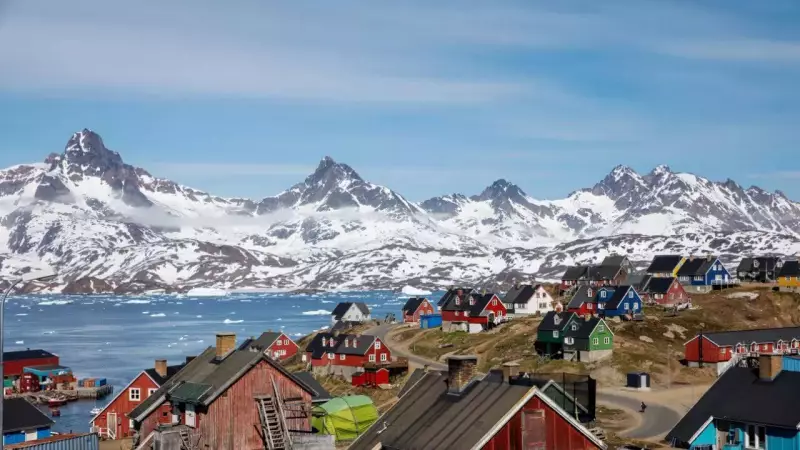
Greenland, renowned as the world's largest island, has captured escalating global attention due to its strategic Arctic position, breathtaking natural landscapes, and emerging economic opportunities. This heightened interest coincides with intensifying geopolitical debates, particularly concerning property acquisition and territorial sovereignty in this unique region.
Geopolitical Spotlight: Trump's Renewed Push for Greenland
Recently, former US President Donald Trump thrust Greenland back into international headlines by reviving his controversial proposal for the United States to acquire the island from Denmark. Speaking at the World Economic Forum in Davos, Trump argued that Greenland's location is critical for national and allied security, suggesting negotiations to "purchase" the territory. He clarified that the US "won't use force" but emphasized the need for immediate talks to prevent rival powers like Russia or China from gaining influence in the Arctic. Denmark and Greenland's leaders have consistently maintained that the island is not for sale, sparking debates over sovereignty, international law, and geopolitical stability.
Understanding Greenland's Unique Property System
Unlike conventional real estate markets in countries like the US or Europe, Greenland operates under a distinct system that fundamentally prohibits private land ownership. According to reports, all land in Greenland is communally owned and administered by local authorities. This means that when purchasing property, buyers pay for the building itself, not the land it occupies.

Site Allotments: The Key to Property Rights
To possess and utilize a plot, buyers require a site allotment—a right to use a piece of land for specific purposes such as residential, commercial, or storage. These allotments are indefinite and transferable when a building changes ownership, but they remain inseparable from the land itself. Consequently, while you can lease or sell a building, you cannot buy, sell, or mortgage the underlying land.
Eligibility and Regulations for Property Acquisition
In response to rising international interest, Greenland has implemented stringent regulations governing property acquisition. Currently, only individuals with Danish citizenship or those who have resided in Greenland for at least two years and paid taxes are automatically eligible for site allotments or property purchases.
Foreign Investment and Exemptions
Foreigners may apply for special exemptions, but approvals are discretionary and evaluated on a case-by-case basis. Authorities assess factors such as the applicant's connection to Greenland, potential impact on local housing markets, and alignment with community needs. This system ensures property remains primarily accessible to locals, safeguarding Greenland's social and cultural fabric.
Housing Market Challenges and Infrastructure Considerations
Even for Greenlandic citizens, the property market is limited, with cities like Nuuk and Ilulissat offering few rental options, often tied to government jobs. While private ownership is gradually increasing through homeownership schemes, the market remains sluggish, discouraging expectations of quick sales or high turnover rates.
Building Permits and Digital Tools
Securing a land allotment is merely the first step. Any construction, renovation, or structural change requires municipal permission. Buyers must also consider infrastructure needs, as properties lacking water, sewer, or communications systems require site-specific approvals before development. Greenland offers digital assistance through tools like NunaGis, a public land and zoning information system that streamlines approval processes.
Strategic Investments Amid Cultural and Legal Constraints
Greenland's real estate market defies conventional investment models. Without private land ownership, real estate speculation is minimal, and calculating returns on rental properties can be challenging. However, economic value may lie in buildings and operational rights, as seen in cases where compensation was provided for lost rental income during expropriations on publicly owned land.

Indigenous Perspectives and Community Priorities
With approximately 88% of Greenland's population being indigenous, there is strong cultural caution regarding territorial control. Recent public demonstrations and political statements have reinforced opposition to external land acquisitions, emphasizing community-driven priorities over foreign strategic interests.
Practical Steps for Prospective Buyers
For those determined to invest in Greenland, a site visit combined with thorough research into municipal regulations, infrastructure, and local markets is essential. Prospective buyers should anticipate a long-term commitment involving multiple approvals, site allotments, and strict adherence to Greenlandic law. While complex, this process offers a rare opportunity to establish a foothold in a strategically vital, environmentally unique, and culturally rich region of the world.