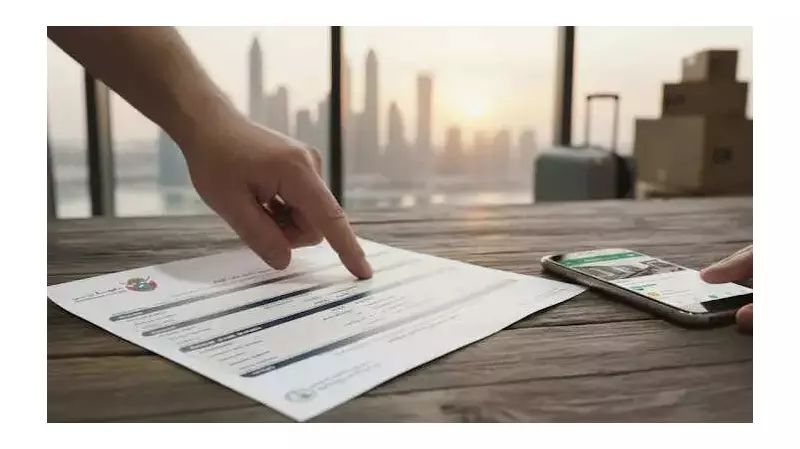
Dubai's Rental Market Sees Surge in Sophisticated Scams Targeting New Arrivals
For thousands of expatriates arriving in Dubai this month, securing the perfect home represents the first major challenge in their new lives. However, early 2026 has witnessed a concerning wave of sophisticated rental scams specifically designed to exploit newcomers eager to finalize housing arrangements quickly. These fraudulent schemes are creating significant hurdles for unsuspecting tenants who may not be familiar with Dubai's unique real estate regulations.
The Phantom Landlord Phenomenon: Below-Market Rates as Bait
Fraudsters are increasingly impersonating legitimate real estate agents or property owners, offering luxury apartments at suspiciously below-market rates to attract desperate tenants. These phantom landlords often present professional-looking contracts complete with official seals and signatures, creating an illusion of legitimacy. However, they intentionally bypass the most critical step in Dubai's rental process: Ejari registration.
Without this government-verified document, tenants have absolutely no legal standing in the eyes of authorities. This vulnerability opens the door to various malicious practices including double-leasing schemes where the same property unit gets rented to multiple victims simultaneously, and disappearing agents who simply pocket security deposits before vanishing without a trace.

Understanding Ejari: Dubai's Digital Tenancy Shield
What exactly is Ejari in Dubai's context? Ejari, derived from the Arabic phrase meaning my rent, represents the official online registration system managed jointly by the Dubai Land Department and Real Estate Regulatory Agency (RERA). This digital platform systematically records every tenancy contract across the emirate.
Until a lease agreement undergoes Ejari registration, it remains essentially invisible to government authorities and service providers. The system transforms what would otherwise be a private agreement into a legally binding document fully recognized by the state. Beyond merely proving residency, this certificate functions as the master key required to unlock virtually every essential service throughout the city.
The Bureaucratic Limbo: Life Without Ejari Registration
Consider the experience of George (a pseudonym), who arrived in Dubai, found an attractive apartment, signed what appeared to be a legitimate lease, and paid his security deposit, but neglected the Ejari registration process. His problems began almost immediately: DEWA (Dubai Electricity and Water Authority) completely blocked his utility applications. Telecommunications companies like Etisalat and Du refused to connect broadband services. Even visa-related processes stalled indefinitely as immigration authorities couldn't verify his residential address.
This situation isn't exceptional. Dozens of renters have shared similar experiences online where utilities, government services, and official procedures remain completely halted without proper Ejari documentation. Registration isn't merely bureaucratic formality; it represents the fundamental legal gateway for establishing life in Dubai.
Critical Consequences of Missing Ejari Registration
- You cannot activate electricity or water services through DEWA without a valid Ejari number.
- Immigration authorities require it for processing residency visas and sponsoring family members.
- Telecommunications providers use it to verify your home address before installing services.
- If landlords attempt illegal rent increases or unjust evictions, the Rental Dispute Settlement Centre (RDSC) will only consider your case with registered Ejari documentation.
Common Misconceptions and Practical Challenges
One major confusion among expatriates stems from the mistaken belief that a signed tenancy contract alone provides sufficient legal protection. In reality, only contracts uploaded and approved through the Ejari system gain formal recognition from authorities, courts, and service providers.

Another frequent issue involves responsibility for registration. While landlords bear legal responsibility for Ejari processing, many tenants ultimately handle it themselves or pay agents and typing centers to complete the paperwork. Without clear agreements about who manages Ejari registration, significant delays often occur with serious consequences.
Why Proper Registration Matters for Every Tenant
- If landlords don't register Ejari promptly, tenants can remain stuck without basic utilities for extended periods.
- In shared accommodations or co-living arrangements, all occupants must be properly declared on Ejari; omissions can create service disruptions or legal complications.
- Some properties get incorrectly listed as rented in the system, blocking new Ejari registrations until previous records get properly cleared.
The ultimate impact of following these regulations is genuine peace of mind. By insisting on Ejari-registered contracts, expatriates ensure they participate in a regulated, transparent real estate ecosystem. This crucial step prevents the heartbreak of rental ghosting scenarios and guarantees that thousands of dirhams spent on deposits and rent remain protected under UAE law.
As Dubai continues its remarkable growth trajectory, these digital safeguards position the city among the world's most secure rental markets. The system only requires tenants to complete that final, approximately 30-minute step to transform their contracts into officially recognized documents, providing comprehensive protection throughout their Dubai residency.