

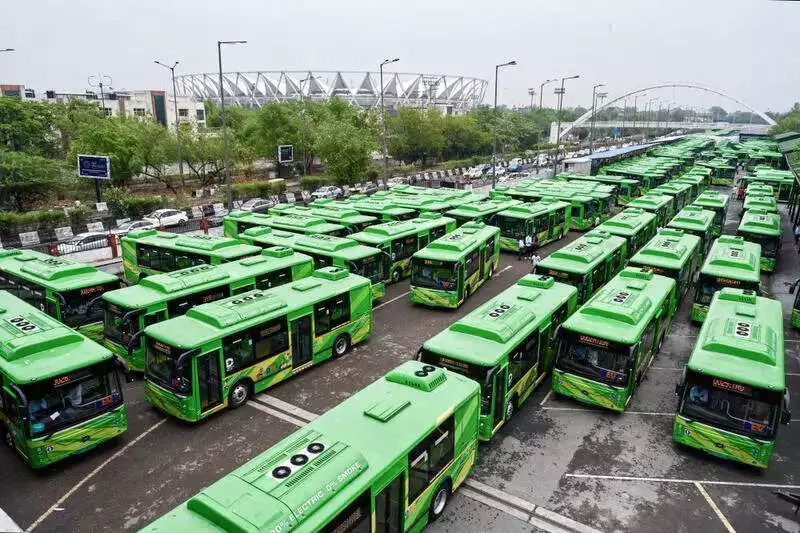
In a strategic move to bolster its strained finances, the Delhi Transport Corporation (DTC) has unveiled a plan to monetise underutilised land parcels at several of its bus depots. The state-owned transporter intends to lease this land to private warehousing, logistics, and e-commerce companies, aiming to create a steady stream of long-term revenue without hampering its core operations of running Delhi's bus service.
Five Depots Identified for Initial Phase
The corporation has pinpointed five depots for the initial phase of this project. These are Hasanpur, Dwarka Depot-8, Sarojini Nagar, Kalkaji, and Subhash Place. These locations were strategically chosen due to their proximity to major commercial hubs and arterial roads, offering excellent connectivity to key markets, business districts, and transport corridors across the National Capital Region.
A senior DTC official explained the rationale, stating, "We intend to strengthen our finances by optimising depot land use and leasing space to reputed warehousing, logistics and e-commerce companies for regular income." The official added that suitable land parcels have been identified, and the process to hire a transaction advisor to manage the leasing process is underway.

Addressing a Deepening Financial Crisis
This monetisation drive comes against the backdrop of a severe financial crunch for the public transporter. According to a Comptroller and Auditor General (CAG) report tabled in the Delhi Assembly earlier this year, DTC's liabilities skyrocketed from Rs 28,263 crore in the 2015-16 fiscal to a staggering Rs 65,274 crore in 2021-22. This alarming rise is largely attributed to cumulative operational losses exceeding Rs 14,000 crore.
The CAG report also criticised the corporation for the absence of a long-term business plan and clear performance benchmarks. Despite its massive scale—operating 40 depots, serving about 25 lakh passengers daily, and covering 6.43 lakh kilometres per day in 2022-23—the corporation has struggled to achieve financial sustainability.
Ensuring Core Operations Remain Unaffected
DTC has assured that the leasing initiative will be carefully implemented to ensure no disruption to its essential services. The specific land parcels for leasing will be finalised in consultation with the appointed transaction advisor, with a firm condition that essential activities like bus parking and maintenance continue unhindered alongside the new private tenants.
"In parallel, technical and site feasibility checks will be carried out to determine if the identified depot land is suitable for warehousing, considering access, connectivity, existing facilities, and development potential," the DTC official elaborated. Initially, the plan is to allow the construction of temporary warehouse structures on the leased land.
A Structured Approach to Monetisation
The corporation is adopting a methodical approach to this project. The plan includes:
- Conducting a detailed market assessment for logistics and warehousing space demand in Delhi.
- Identifying target industries and potential client companies.
- Benchmarking prevailing licence fees and rental rates in the market.
- Examining all legal requirements and structuring comprehensive licence agreements.
The final agreements will clearly define the tenure, payment terms, and risk-sharing mechanisms between DTC and the private operators, aiming to ensure the arrangement is financially viable, transparent, and beneficial for the public transporter in the long run.






