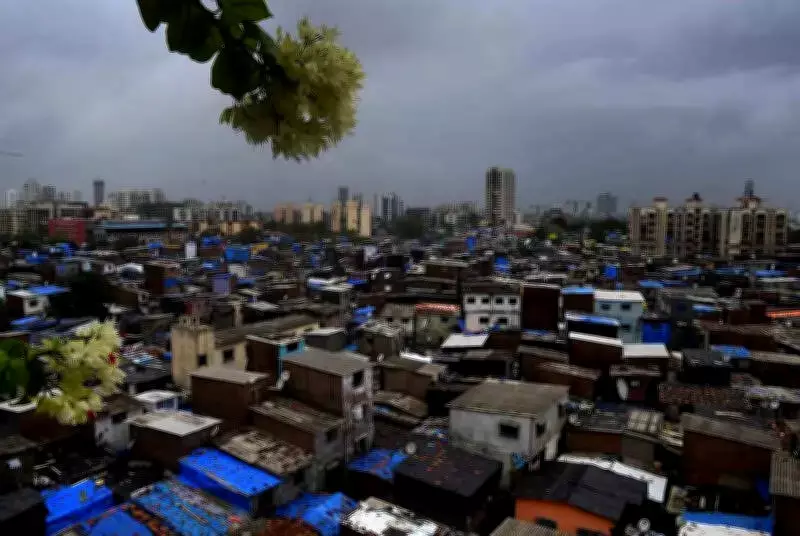
Dharavi Redevelopment Project Issues Eviction Notices to 3,500 Households in Sector 6
In a significant development for Mumbai's urban landscape, residents of nearly seven slum settlements located in Sector 6 of Dharavi have been formally served with notices to vacate their homes. The directive mandates that evacuation must occur before the onset of the monsoon season or prior to the commencement of the next academic year, whichever comes first. This action is a pivotal step in the ambitious Dharavi Redevelopment Project (DRP), which aims to transform one of Asia's largest informal settlements.
Railway Land Designated for Rehabilitation Construction
Sector 6 is situated on land owned by the Matunga railway, a parcel that has been officially incorporated into the Dharavi notified area under the assumption that it would be available as vacant land. According to officials from the DRP, which operates as a special purpose vehicle, this land is earmarked for the construction of ten rehabilitation buildings. These structures are projected to provide housing for approximately 11,000 families currently residing in informal settlements across the sector.
DRP officials have emphasized that timely cooperation from residents is crucial to avoid construction delays and prevent inconvenience to people living in the surrounding areas. They stated that the notices have been issued to around 3,500 households, urging them to vacate promptly so that the rehabilitation construction can commence without further postponement.

Activists Voice Concerns Over "Atmosphere of Fear" and Lack of Clarity
However, the eviction notices have sparked considerable anxiety and opposition among residents and community leaders. Baburao Mane, convenor of the Dharavi Bachao Andolan, described an "atmosphere of fear" prevailing in the sector. He criticized the DRP for what he perceives as broken promises and a lack of transparency.
"We were initially assured that the rehabilitation would follow a 'key to key' approach, meaning people would transition directly from their current homes into new flats," Mane explained. "Now, DRP officials are making various promises to chawl committee members, but there is no formal agreement in place. No signed document informs residents about when and where they will be allocated a flat."
Mane further highlighted that residents who have received eviction notices are being informed they will receive a rental allowance of Rs 30,000 to Rs 35,000 for the first three months. "But there is a concerning silence on what happens after that initial period," he added, pointing to uncertainties about long-term housing arrangements.
Eligibility Issues and Planned Protests
The activist also raised issues regarding eligibility, noting that Sector 6 comprises around 22,000 households. He claimed that the majority of these households are either ineligible for rehabilitation under the current criteria or no decision has been made on their eligibility status. This has fueled discontent and mobilized community action.
"Over 200 mohalla committees and mandal representatives have united, and we plan to organize a massive morcha (protest march) in the coming days to oppose the redevelopment process," Mane declared, indicating growing resistance from the affected population.
Official Justification and Project Imperatives
In defense of the eviction notices, DRP officials reiterated the necessity of the action due to the presence of slum dwellers on the railway land. "Since the railway land also has slum dwellers, there is no alternative but to ask residents to vacate so construction can start," they stated, underscoring that the land was brought under the Dharavi notified area specifically to facilitate rehabilitation construction on vacant plots.
The officials stressed that the project's success hinges on clearing the land to begin building the rehabilitation structures, which are intended to improve living conditions and provide formal housing to thousands of families. They argue that this step is essential for the broader redevelopment goals, aiming to replace informal settlements with planned, sustainable housing complexes.

As the monsoon season approaches and the academic year looms, the situation in Dharavi's Sector 6 remains tense, with residents caught between the promises of urban renewal and the immediate realities of displacement. The outcome of this standoff will likely have significant implications for Mumbai's housing policies and the future of its slum rehabilitation efforts.