

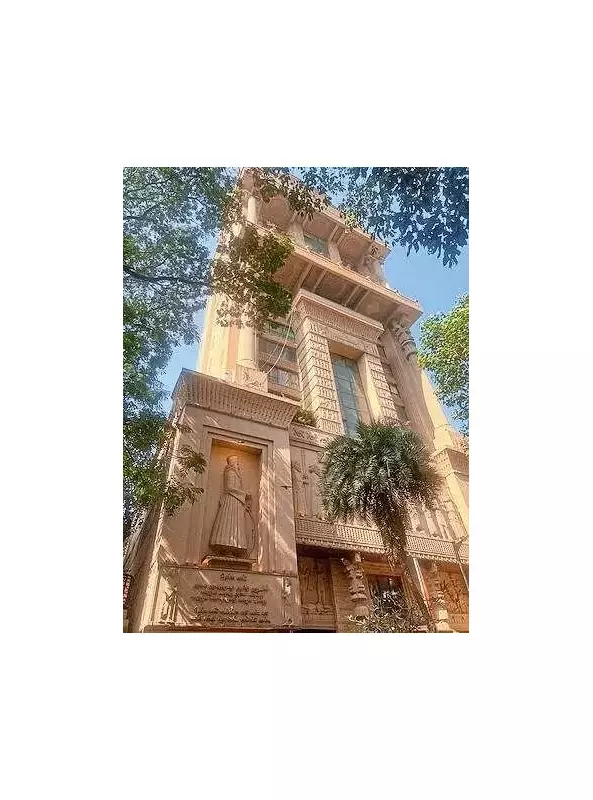
In the 1920s, a visionary municipal corporator and civil engineer named Muncherji Edulji Joshi embarked on a mission to create a model neighbourhood for Parsi families in Dadar, Mumbai. His blueprint featured two-storey buildings surrounded by expansive gardens and open spaces, aiming to foster community and greenery. A full century later, the verdant residential enclave known as Dadar Parsi Colony (DPC) is navigating a complex journey of urban change, where its original charm meets the rising silhouette of modern skyscrapers.
The Skyline Transformation: Towers Replace Heritage Homes
Today, the statue of Muncherji Joshi at the colony's entrance stands with a symbolic backdrop: a massive residential tower. This visual contrast encapsulates the area's shift. Over the past 15 years, nearly 30 high-rise buildings have emerged within DPC and the adjacent Matunga belt, as noted by local resident and activist Mehernosh Fitter. Iconic old structures have given way to new realities. The Parsi-only Daruwala House transformed into Nirvan Tower roughly a decade ago. Opposite, the historic Dossal House was demolished to make room for Della Tower, a 21-storey structure developed by architect and resident Jimmy Mistry.
This pattern of redevelopment is visible on several colony roads. On Road No. 5, the Rustomjee group has redeveloped three properties into luxury towers. Similarly, on Muncherji Joshi Road, the ground-plus-two-storey Najamai Mansion was razed, replaced by a skyscraper. Despite this significant vertical growth, DPC has managed to retain a distinctive charm absent in many other redeveloped parts of Mumbai. Its tree-lined avenues and over a dozen parks and gardens continue to define its character, creating a unique blend of old-world serenity and new-age density.

The Protective Shield: Parsi Covenants and Community Will
A key factor moderating the pace of redevelopment in DPC is the unique legal framework governing its land. The colony comprises over 100 plots that are Parsi covenant properties. This status originates from a late-1920s agreement between the Bombay Improvement Trust Parsee Central Association Cooperative Housing Society and authorities for a 999-year lease. The covenant explicitly restricts ownership and occupancy to members of the Parsi Zoroastrian community. Past attempts to remove these restrictions have largely failed, creating a natural barrier against the wholesale redevelopment frenzy seen elsewhere in the city.
This community-centric ownership fosters a strong preservation ethos. Kekobad Doongriwalla, an 83-year-old resident of Dosabhai Mansion since the 1960s, proudly states that the colony boasts the best air quality in Mumbai. He emphasizes that residents are proactive and ready to fight to protect their green spaces. This collective spirit acts as a crucial check on unchecked development.
Voices on Evolution: Preservation, Philanthropy, and Precinct Planning
The changes in DPC have sparked thoughtful reflection from architects, historians, and long-time inhabitants. Jimmy Mistry, founder of Della Group and a DPC resident, views the colony's evolution as a microcosm of Mumbai's broader urban renewal. "DPC's evolution over the past two decades reflects a larger shift in how Mumbai is reimagining ageing neighbourhoods," he says. He points out the transition from a low-rise enclave of 3 to 5 floors to a more vertical fabric with buildings reaching 21 storeys. Mistry advocates for a shift from mere building-centric projects to precinct-led, community-first urban regeneration that balances growth with upgraded infrastructure and human-centric design.
Local resident and historian Kayomi Engineer highlights the area's philanthropic roots, noting that 95% of DPC was built through Zoroastrian cultural traditions of charity. While not opposed to necessary redevelopment, she calls for architectural sensitivity. "It would be a nice gesture... to sort of keep it in sync with what the area around demonstrates as its environment," she remarks. Engineer is also involved in efforts to document the colony's history, with an eye toward potential UNESCO accreditation to underscore the importance of conserving such heritage spaces.

Urban designer Harshad Bhatia raises a critical concern regarding DPC's status as a listed Heritage Precinct. He argues that while rules protect buildings, the precinct's defining natural quality—its lush tree canopy—was overlooked. The new towers, which now rise above the tree crowns, threaten the very foliage that contributes to the area's livability by blocking sunlight. This highlights a gap in preservation guidelines that focus on built form over environmental character.
Former resident Tanaz Parekh observes that redevelopment in DPC has been relatively controlled, partly because builders are wary of the Parsi covenants. She identifies a more pressing issue: crumbling civic infrastructure. Increased traffic, rampant road concretization, and constant digging by the Brihanmumbai Municipal Corporation (BMC) have strained the narrow roads, posing a significant challenge to the colony's future livability.
The story of Dadar Parsi Colony is one of layered transformation. It is a century-old narrative of a planned community now standing at the crossroads, striving to honour Muncherji Joshi's original vision of open spaces and community while accommodating the inevitable pressures of a modern, growing metropolis. Its fate will depend on how effectively it can harmonize its protective covenants, community vigilance, and heritage charm with the demands of contemporary urban life.





