

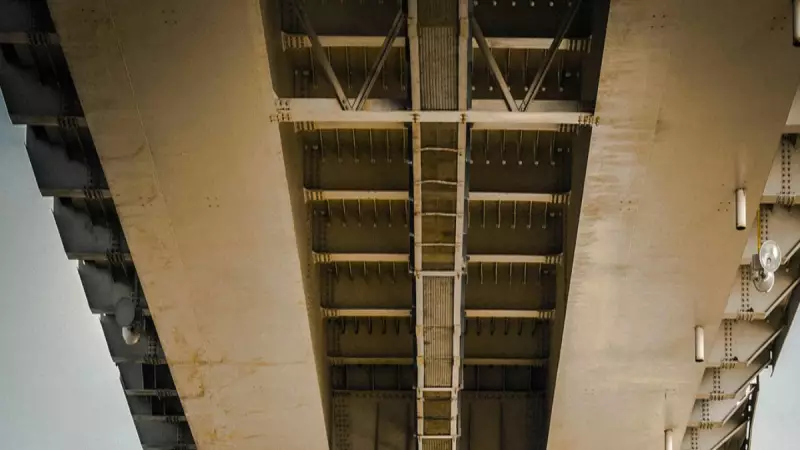
In a major push to untangle its notorious traffic snarls, Bengaluru is gearing up for a transformative infrastructure project. The city plans to construct five new elevated road corridors spanning a total of 80 kilometers. This ambitious initiative, reported on December 23, 2025, is designed to provide seamless connectivity and significantly decongest key arterial routes in India's tech capital.
The Blueprint for Smoother Commutes
The proposed plan involves building a network of elevated roads that will run above existing thoroughfares. These corridors are strategically planned to bypass some of the most congested junctions and bottlenecks in the city. By creating an alternate route for through traffic, the project aims to reduce travel time, lower vehicle emissions from idling engines, and improve overall urban mobility. The move comes as a response to the city's rapidly growing vehicular population and the constant strain on its road network.
Project Scope and Strategic Impact
The sheer scale of the project—80 kilometers across five distinct corridors—highlights the administration's serious intent to address a problem that affects millions of residents daily. While the exact locations and alignments of all five corridors are detailed in the planning report, the overarching goal is clear: to create a high-capacity network that allows traffic to flow over the city's most problematic ground-level intersections.

Such large-scale elevated corridors are expected to benefit not just private commuters but also public transportation and commercial logistics. Faster movement of goods and services can provide a boost to the local economy, which has often cited traffic congestion as a hurdle for business efficiency.
Looking Ahead: Challenges and Expectations
While the announcement has sparked hope among Bengaluru's weary commuters, the project will undoubtedly face challenges. These include meticulous planning to minimize disruption during construction, managing environmental concerns, and securing the necessary funding and approvals. The success of similar projects in other Indian metros will likely serve as a reference point.
If executed effectively, this 80-km elevated road network could mark a turning point in Bengaluru's infrastructure story. It represents a shift from ad-hoc solutions to a more systematic, large-scale approach in tackling urban traffic. The city awaits further details on timelines and tenders, watching to see if this plan can finally provide lasting relief from its gridlock woes.






