

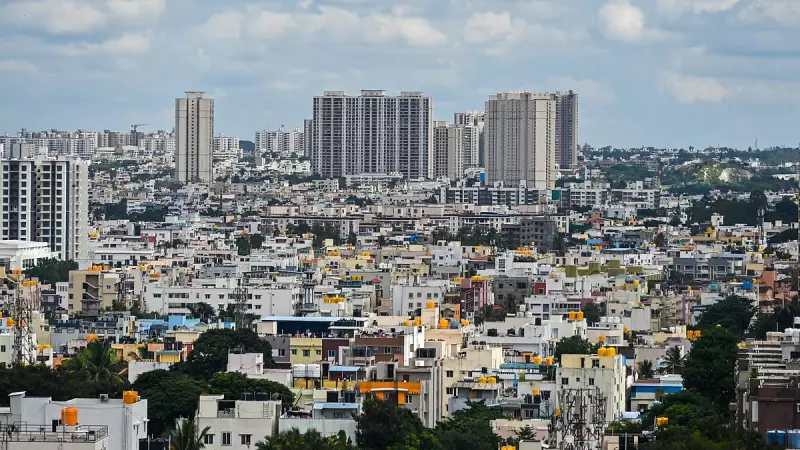
A recent court order from Bengaluru has sent ripples through the city's vast residential communities, reigniting a long-standing debate between apartment owners and Residents' Welfare Associations (RWAs). The ruling, delivered by the 24th Additional Small Causes Court, addresses the contentious issue of maintenance fee payments and the authority of RWAs.
The Core of the Court's Decision
The court's order stems from a specific case where an apartment owner was directed to pay outstanding maintenance charges. The legal argument centered on whether the RWA could legally enforce such payments. The court examined the foundational documents governing most apartment complexes: the Bye-laws and the Apartment Ownership Act.
In its decision, the court underscored that when owners purchase their apartments, they enter into a contractual agreement bound by these bye-laws. These rules are not mere suggestions but form a legally binding framework for the collective living society. The court emphasized that payment of maintenance charges is a fundamental obligation for every member who benefits from common amenities and services.

The judge pointed out that maintenance fees are essential for the upkeep of shared infrastructure like water supply systems, elevators, security, garbage disposal, and common area lighting. Non-payment by some members unfairly burdens those who pay regularly and can lead to the deterioration of the entire property.
Reactions from RWAs and Homeowners
The ruling has been met with strong but divergent reactions. Representatives of RWAs across Bengaluru have welcomed the order, viewing it as a vindication of their authority and a necessary tool for ensuring financial discipline.
"This judgment reinforces the legal sanctity of our bye-laws," said a member of a large RWA in East Bengaluru. "It clarifies that maintenance is not a voluntary contribution but a mandatory charge for services rendered. This helps us plan budgets for essential repairs and upgrades without fear of revenue shortfalls."
However, a significant section of apartment owners has expressed concern and dissatisfaction. Their grievances often revolve around transparency and accountability. Many argue that some RWAs function opaquely, failing to provide detailed breakdowns of expenditures or hold regular, open meetings.
"Our issue is not with paying for maintenance," explained a homeowner from North Bengaluru. "Our issue is paying blindly. We need proper audits, detailed bills, and a say in how our money is spent. The court's order gives power to RWAs, but it must come with a mandate for greater transparency." Some owners also contest the calculation methods for charges, especially in older complexes where fee structures may not have been revised fairly.
Broader Implications for Bengaluru's Real Estate
This legal development has implications that extend beyond individual disputes. Bengaluru, with its thousands of apartment complexes, relies on a functional self-governance model for its residential ecosystems. A clear legal precedent helps define the rights and responsibilities of all parties involved.
Legal experts suggest the ruling strengthens the contractual nature of apartment ownership. It reminds buyers that purchasing a flat means accepting the collective rules of the society. For RWAs, it provides a stronger legal footing to pursue defaulters through established mechanisms, which could include charging interest on late payments or even restricting access to certain amenities in extreme cases, as per the bye-laws.
However, the debate also highlights a pressing need for standardized governance models. Advocates for reform call for model bye-laws that mandate financial transparency, including compulsory annual audits presented to all members and digital access to expense reports. They also emphasize the importance of democratic processes within RWAs, ensuring that all owners have a voice in decision-making, especially concerning fee hikes or major projects.

The Karnataka Ownership Flats (Regulation of the Promotion of Construction, Sale, Management and Transfer) Act provides the overarching legal structure, but its effective implementation at the society level remains a challenge. This court order may prompt more RWAs to formalize their operations and homeowners to engage more actively in their societies' governance.
In conclusion, the Bengaluru court's ruling on maintenance fees has done more than settle a single case. It has sparked a necessary city-wide conversation about accountability, transparency, and the true meaning of community living in India's tech capital. The path forward likely requires a balanced approach where the legal obligation to pay is matched by an ethical obligation for RWAs to operate with openness and inclusivity.





