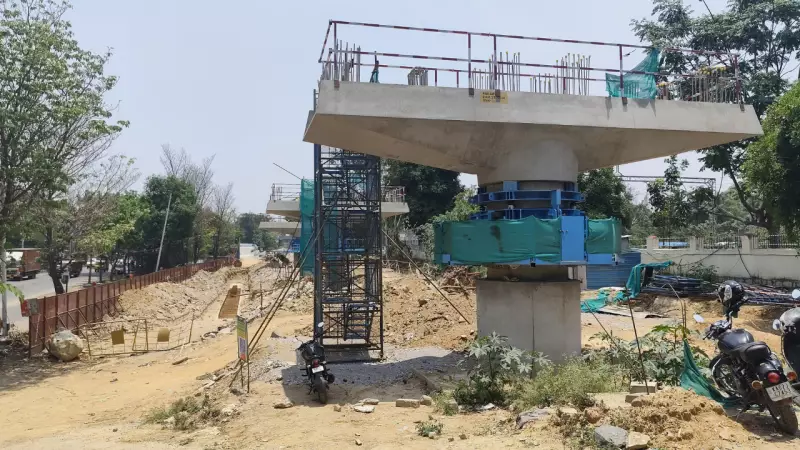
Bengaluru's Long-Awaited Airport Rail Link Finally Gets Approval
After years of delays and planning, the Rail Infrastructure Development Company (Karnataka) Limited (K-Ride) and Indian Railways have officially approved the much-anticipated suburban rail link to Kempegowda International Airport (KIA). This significant infrastructure project is poised to transform travel in Bengaluru by addressing the chronic traffic congestion that plagues the city's roads, particularly around the airport area.
Integration with the Bengaluru Suburban Rail Project
The airport rail link will be seamlessly integrated into the Majestic–Devanahalli corridor, which is a crucial component of the broader Bengaluru Suburban Rail Project (BSRP). This strategic integration aims to provide a faster and more efficient travel option for both air passengers and residents living in the northern parts of Bengaluru, significantly reducing travel time and enhancing overall connectivity.
Detailed Route Alignment and Infrastructure
The proposed rail line will branch off from the main corridor at Ballari Road, approximately 2 km beyond the Doddajala heritage station. From there, it will turn onto BK Halli Road and approach the airport from the south, ensuring direct and convenient access to the terminal area. This carefully planned alignment is designed to minimize disruptions while maximizing accessibility.

Dedicated Spur and Station Development
A dedicated 8.5 km airport spur will be constructed, featuring two key stations at BK Halli Road and Aerospace Park. These stations are strategically planned to serve the rapidly urbanising areas surrounding the airport, catering to both residential communities and industrial zones. This development is expected to spur further economic growth and urban development in these regions.
Underground Connectivity Within the Airport Complex
To ensure seamless integration, a 3.5 km underground line will run inside the KIA complex, with two stations proposed along this route. The terminal station is planned to be located near the Taj Hotel and will be fully integrated with other public transport facilities, providing passengers with a hassle-free and interconnected travel experience.
Future-Proof Planning for Passenger Demand
Initially, trains will operate with three coaches, but all stations are being designed to accommodate nine-coach trains in the future. This forward-thinking approach ensures that the rail system can effectively handle the anticipated increase in passenger numbers as the surrounding areas continue to grow and develop.
Overcoming Past Delays and Challenges
The Majestic–Devanahalli corridor was originally approved in 2020, but the airport link was de-prioritised, reportedly to avoid competition with the Blue Line Metro proposed by the Bangalore Metro Rail Corporation Limited (BMRCL). This delay contributed to ongoing road congestion near the airport. Meanwhile, the 58 km BMRCL Blue Line, connecting Silk Board to KIA via KR Pura and Hebbal, is expected to open by 2027, though delays in other metro projects have led to scepticism among commuters regarding this timeline.
Land Acquisition and Tender Hurdles
K-Ride will now float tenders in phases after securing the required land for the project. Earlier challenges, such as L&T terminating contracts due to unavailable land, forced fresh tenders for the Byappanahalli–Chikkabanavara corridor, further delaying progress. These hurdles highlight the complexities involved in large-scale infrastructure projects.
Government Oversight and Deadlines
Prime Minister Narendra Modi had set a 40-month completion deadline in June 2022, but no corridors have been opened so far. The delays were recently highlighted in a Pragati meeting, where instructions were given to expedite stalled projects, including the Majestic–Devanahalli and Kengeri–Whitefield corridors. This renewed focus underscores the government's commitment to improving Bengaluru's transportation infrastructure.
This approval marks a pivotal step forward in Bengaluru's efforts to decongest city roads and enhance public transportation, promising a more sustainable and efficient future for the city's residents and visitors alike.