Mumbai's Landmark Rehabilitation Initiative: 97,000 Families Receive New Homes
The Mumbai Metropolitan Region Development Authority (MMRDA) has achieved a remarkable milestone in urban rehabilitation, successfully rehousing a staggering 97,000 project-affected families across the bustling metropolis. This extensive initiative represents one of the largest and most comprehensive rehabilitation efforts undertaken in India's financial capital, addressing the critical need for housing displacement caused by various infrastructure and development projects.
Unprecedented Scale of Rehabilitation in Mumbai
According to recent reports, the MMRDA has meticulously executed this massive rehabilitation program, ensuring that thousands of families displaced by public works and urban development schemes now have access to proper housing. The authority has been working diligently to identify eligible families, verify their claims, and allocate new residential units in designated rehabilitation colonies. This process involves multiple stages of verification and coordination with various government departments to maintain transparency and fairness.
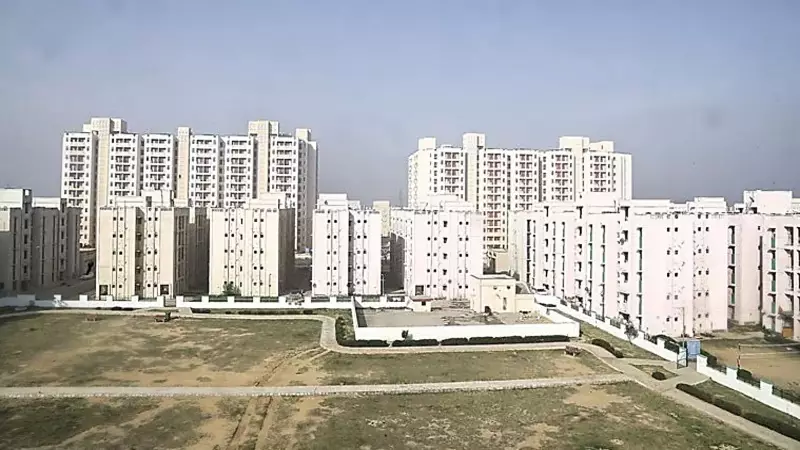
The rehabilitation drive covers families affected by a wide range of projects, including road expansions, metro rail construction, slum redevelopment, and other urban infrastructure initiatives. Each family has been provided with a self-contained housing unit that includes basic amenities such as water supply, electricity, and sanitation facilities. The new homes are designed to offer improved living conditions compared to the often precarious situations these families faced previously.

Implementation Strategy and Challenges Overcome
The MMRDA adopted a phased implementation strategy to manage this enormous rehabilitation challenge effectively. Authorities established special cells to handle documentation, verification, and allocation processes, ensuring minimal delays and maximum efficiency. Regular monitoring committees were formed to oversee the progress and address any grievances that arose during the transition period.
One of the significant challenges faced during this initiative was the identification of genuine project-affected families, as Mumbai's complex urban landscape includes both formal and informal settlements. The authority implemented rigorous verification mechanisms, including cross-referencing with multiple government databases and conducting field surveys to authenticate claims. This careful approach helped prevent misuse of the rehabilitation scheme while ensuring that deserving families received their rightful accommodation.
Impact on Urban Development and Community Welfare
This massive rehabilitation effort has several important implications for Mumbai's urban development:
- Accelerated Infrastructure Projects: By providing proper rehabilitation, the MMRDA has removed a major obstacle to infrastructure development, allowing projects to proceed without prolonged delays caused by displacement issues.
- Improved Living Standards: The new housing units offer better living conditions with proper ventilation, sanitation, and access to basic services, contributing to improved health and well-being for thousands of residents.
- Urban Planning Integration: The rehabilitation colonies have been strategically located to ensure connectivity to employment hubs, educational institutions, and healthcare facilities, promoting sustainable urban growth.
- Social Stability: By addressing displacement concerns systematically, the initiative has helped maintain social harmony and reduced potential conflicts between development authorities and affected communities.
The successful completion of this rehabilitation program demonstrates how urban development and community welfare can be balanced through careful planning and execution. As Mumbai continues to expand and modernize its infrastructure, such rehabilitation initiatives will remain crucial for ensuring inclusive growth that benefits all sections of society.