Interior design has emerged as a critical factor influencing residential real estate demand. Today's homebuyers consider not only location and price but also the functionality, modernity, and aesthetic appeal of a home. Well-designed interiors can significantly enhance property value, attract buyer interest, and accelerate sales in competitive markets. Below are seven major interior design trends currently driving demand in residential properties.
Open-Plan Living Spaces
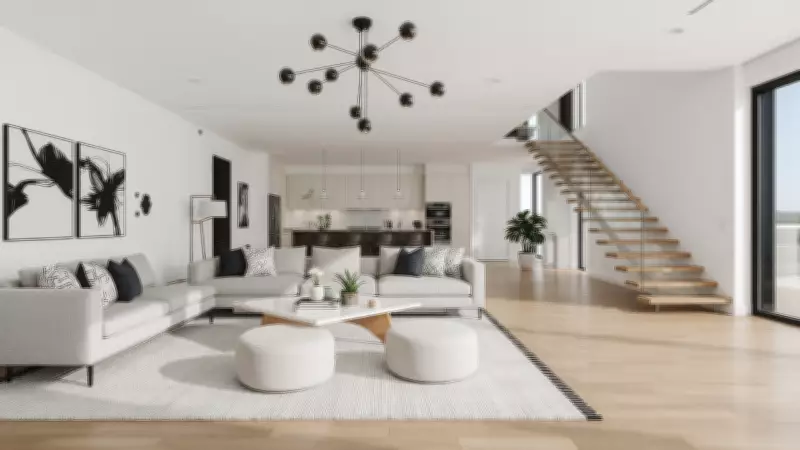
Open-plan layouts seamlessly integrate living, dining, and kitchen areas into one cohesive space. This design fosters a sense of openness, improves natural light flow, and encourages social interaction. In real estate, such layouts are highly preferred because they make homes feel larger, more flexible, and suitable for modern lifestyles and family needs.
Minimalist Interior Design
Minimalist interiors emphasize simplicity, clean lines, and clutter-free spaces. Neutral colors and functional furniture dominate this style. Buyers prefer minimalist homes because they appear spacious, organized, and easy to maintain. Minimalism increases appeal by allowing potential buyers to envision their own lifestyle within a clean, adaptable space.

Smart Home Integration
Smart home integration is becoming a key feature in modern residential properties. It includes automated lighting, smart security systems, climate control, and voice-activated devices that enhance everyday convenience. These technologies improve safety, reduce energy consumption, and offer a seamless living experience. Smart homes attract tech-savvy buyers and significantly increase property value and market demand.
Sustainable Interior Design
Sustainable interior design focuses on creating eco-friendly and healthier living spaces using natural materials, energy-efficient lighting, and low-VOC paints. This approach reduces environmental impact while improving indoor air quality and long-term livability. Sustainable homes are highly valued by environmentally conscious buyers and investors, making properties more desirable and future-ready.
Multifunctional Spaces
Modern homes increasingly include flexible areas that can serve multiple purposes, such as home offices, guest rooms, or study zones. This trend gained momentum with the rise of remote work. Multifunctional interiors increase usability and make smaller homes more attractive to buyers seeking practical living solutions.
Neutral Color Palettes
Neutral tones like beige, white, grey, and soft earth shades are widely used in modern interiors. These colors create a calm atmosphere and help spaces look larger and brighter. Neutral interiors appeal to a wider audience because they are easy to customize and universally attractive.
Indoor-Outdoor Living Design
This trend focuses on connecting indoor spaces with balconies, gardens, or terraces through large windows and open transitions. It enhances ventilation, natural light, and lifestyle comfort. Homes with strong indoor-outdoor connections are highly desirable, especially in urban areas where access to nature is limited.
Interior design trends are no longer just about aesthetics—they directly influence property demand and value. Features like open layouts, smart technology, and sustainable materials make homes more appealing to modern buyers. In today's competitive real estate market, properties that adopt these design trends stand out, sell faster, and often achieve higher returns.