

10 Majestic Indian Gates Showcasing Architectural Grandeur and Cultural Heritage
The architectural legacy of India is vividly expressed through its majestic gateways, known as darwazas. These structures are far more than mere entry points; they symbolize power, beauty, and culture in profound ways. Each gateway narrates a unique story of its era, design, history, and craftsmanship, serving as timeless markers of identity and status.
In contemporary high-end residential and commercial projects, grand gates are often used as identity markers, echoing the historical role of these structures in symbolizing authority and prestige. The seamless blend of aesthetics and functionality observed in traditional Indian gateways continues to shape modern architectural trends, making them highly relevant in today's real estate planning and urban design.
Buland Darwaza: The Gate of Victory
Buland Darwaza, famously called the Gate of Victory, stands as one of the most iconic examples of Mughal architecture in India. Emperor Akbar commissioned this grand gateway in the 16th century at Fatehpur Sikri to commemorate his triumph over Gujarat. Its massive scale and commanding presence make it one of the tallest gateways globally, showcasing intricate details and monumental design.

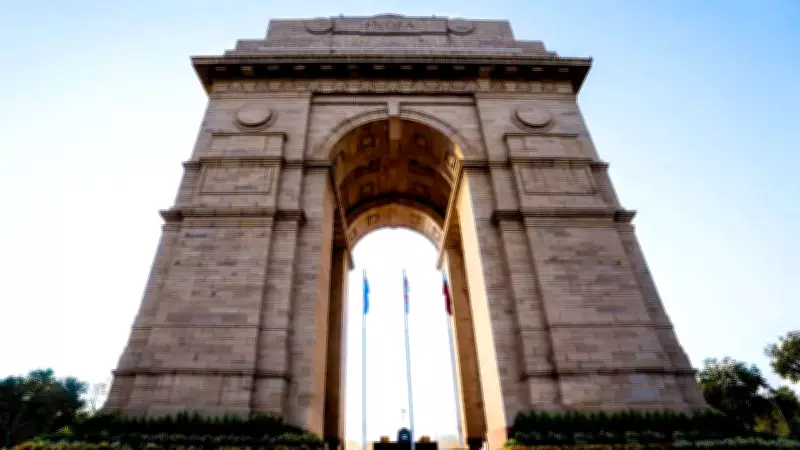
India Gate: A Colonial War Memorial
Located in New Delhi, India Gate is a war memorial constructed during the British era. Its arch design, inspired by European architectural styles, blends symmetry with simplicity. The structure honors fallen soldiers while also serving as a major landmark, reflecting the colonial influence on Indian architecture and its enduring significance in the national consciousness.
Gateway of India, Mumbai: An Indo-Saracenic Marvel
Overlooking the Arabian Sea, the Gateway of India was built as a tribute to a royal family visit. Featuring the Indo-Saracenic style, it masterfully incorporates Islamic, Hindu, and European motifs into its unique design. This gateway remains a symbol of Mumbai's historical and cultural tapestry, attracting visitors from around the world.
Rumi Darwaza, Lucknow: Awadhi Splendor
Rumi Darwaza in Lucknow is a splendid example of Awadhi architecture, inspired by Turkish design. Characterized by a magnificent arch adorned with floral patterns, this gateway exemplifies the artistic fusion and elegance of the region, standing as a testament to Lucknow's rich cultural heritage.
Charminar, Hyderabad: An Architectural Icon
Though primarily a monument, Charminar functions as a gateway with its four grand arches. Built in the 16th century, it reflects Indo-Islamic architecture through its symmetrical design, towering minarets, and intricate stucco work. This structure highlights Hyderabad's cultural and architectural legacy, serving as a defining symbol of the city.
Great Stupa Gateways, Madhya Pradesh: Ancient Stone Craftsmanship
The gateways, or toranas, of the Stupa at Sanchi are among the earliest stone buildings in India. Adorned with intricate carvings depicting Buddhist tales, these gateways are fine examples of Indian sculpture and architecture. They serve dual purposes as both functional entrances and artistic masterpieces, preserving ancient narratives.
Lahori Gate, Red Fort, Delhi: Mughal Military Elegance
As the main entrance of the Red Fort, Lahori Gate represents Mughal military and aesthetic design. Constructed with red sandstone, it combines strength with elegance. This gateway holds immense historical importance and continues to be a national symbol, particularly during Independence Day celebrations, embodying India's sovereignty.
Ajmeri Gate, Jaipur: Rajasthani Vibrancy
The Ajmeri Gate is an ancient entry point within Jaipur's old walled city. Designed in the typical Rajasthani style, it features arches and vibrant colors, reflecting the region's artistic traditions. This gateway adds to the historical charm and architectural diversity of Jaipur's urban landscape.

Delhi Darwaza, Ahmedabad: Medieval Islamic Fortification
Part of Ahmedabad's old fortifications, Delhi Darwaza showcases medieval Islamic architecture. Built with robust stone structures and arches, it served as a defensive entry point. Its design emphasizes both functionality and aesthetic appeal, illustrating the strategic urban planning of historic Indian cities.
Teen Darwaza, Ahmedabad: Indo-Islamic Craftsmanship
Teen Darwaza in Ahmedabad, consisting of three arches, was constructed during the Sultanate period. Known for its symmetric design, this structure once served as a royal entrance and remains a fine example of Indo-Islamic craftsmanship. It stands as a reminder of Ahmedabad's historical grandeur and architectural ingenuity.
These ten stunning gateways not only reflect the beauty of Indian architecture but also inspire contemporary building structures. Their enduring legacy continues to influence modern real estate and design, proving that the fusion of tradition and innovation remains a cornerstone of architectural excellence in India.





