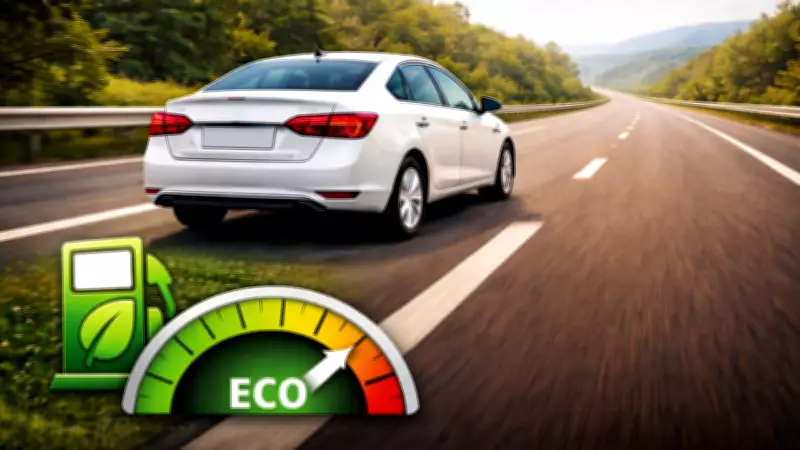
Simple Driving Habits to Boost Your Car's Fuel Efficiency and Save Money
With fuel prices on the rise and traffic congestion becoming increasingly common in urban areas, fuel efficiency has emerged as a major concern for car owners across the globe. While modern vehicles are engineered with advanced engines and cutting-edge technologies designed to deliver superior mileage, the actual fuel consumption of a car is heavily influenced by the driver's habits and the regularity of vehicle maintenance. In this comprehensive guide, we explore practical and easy-to-implement tips that can help you enhance your car's fuel efficiency, thereby reducing running costs and minimizing environmental impact.
Avoid Sudden and Aggressive Acceleration
Aggressive acceleration is one of the primary culprits behind excessive fuel consumption. When you press the accelerator pedal sharply, the engine is forced to burn more fuel to generate the additional power required for rapid speed increases. This not only wastes fuel but also places unnecessary strain on the engine. In contrast, gradual acceleration allows the engine to operate within its optimal efficiency range, consuming less fuel. This practice is particularly beneficial in city traffic, where frequent stops and starts are common. By accelerating smoothly and steadily, drivers can achieve noticeable improvements in fuel economy.
Maintain a Steady and Consistent Speed
Driving at a consistent pace is another effective strategy for boosting fuel efficiency. Frequent fluctuations in speed require the engine to work harder, leading to increased fuel usage. On highways and long stretches of road, maintaining a stable speed helps the vehicle operate within its most efficient performance range. Utilizing cruise control, when available, can assist in maintaining a constant speed and preventing unnecessary acceleration, thereby conserving fuel over extended journeys.

Minimize Excessive Idling to Conserve Fuel
Keeping the engine running while the vehicle is stationary, a practice known as idling, consumes fuel without covering any distance. Idling often occurs in traffic jams, at railway crossings, or during prolonged waits. If you anticipate being stationary for more than a brief period, switching off the engine can lead to significant fuel savings. Many contemporary cars are equipped with start-stop systems that automatically shut off the engine during idle moments and restart it when needed, further enhancing fuel economy.
Anticipate Traffic Conditions for Smoother Driving
Drivers who anticipate traffic conditions in advance can avoid the frequent braking and acceleration that contribute to higher fuel consumption. By maintaining a safe following distance from the vehicle ahead, you can gradually slow down instead of applying sudden brakes. This smoother driving approach helps preserve momentum and reduces the need for excessive fuel input, especially on congested city roads where stop-and-go traffic is prevalent.
Use the Correct Gear for Optimal Performance
Operating your vehicle in the appropriate gear is crucial for maximizing fuel efficiency. Running the engine at high revolutions per minute (RPM) can lead to increased fuel usage. For manual transmission cars, shifting to higher gears at the right time allows the engine to run more efficiently. While automatic transmissions manage gear shifts autonomously, adopting a smoother driving style can still contribute to better mileage and reduced fuel consumption.
Reduce Unnecessary Weight to Lighten the Load
Extra weight in your car increases the engine's workload, which in turn raises fuel consumption. Items stored in the boot or cabin that are rarely used add unnecessary mass. By removing such items, you can lighten the vehicle's load and improve fuel efficiency over time. This simple step can make a noticeable difference, particularly on long trips where every kilogram counts.

Use Air Conditioning Judiciously to Save Fuel
Air conditioning systems place an additional load on the engine, especially during city driving. While essential in hot weather, excessive use of air conditioning can significantly increase fuel consumption. To optimize efficiency, use moderate settings and keep windows closed at higher speeds to reduce aerodynamic drag. This balanced approach helps maintain comfort without compromising fuel economy.
Maintain Recommended Tyre Pressure for Better Efficiency
Under-inflated tyres increase rolling resistance, forcing the engine to exert more effort and consume more fuel. Ensuring that your tyres are inflated to the manufacturer's recommended pressure can enhance fuel efficiency and extend tyre durability. Regularly checking tyre pressure, particularly before embarking on long journeys, helps maintain optimal performance and safety.
Keep Your Vehicle Well-Maintained for Peak Performance
Regular servicing is vital for ensuring that your car's engine and related components operate at peak efficiency. Clean air filters, functional spark plugs, and a well-maintained fuel system all contribute to better fuel economy. Neglecting maintenance schedules can lead to reduced efficiency and higher fuel consumption over time. By adhering to recommended service intervals, you can keep your vehicle running smoothly and economically.
Improving fuel efficiency largely hinges on adopting simple and mindful driving practices. Drivers who accelerate smoothly, maintain consistent speeds, and prioritize vehicle maintenance are more likely to achieve better mileage and lower running costs. As fuel expenses continue to be a significant concern for motorists, these efficient driving habits not only help save money but also contribute to reducing emissions and promoting environmental sustainability.