

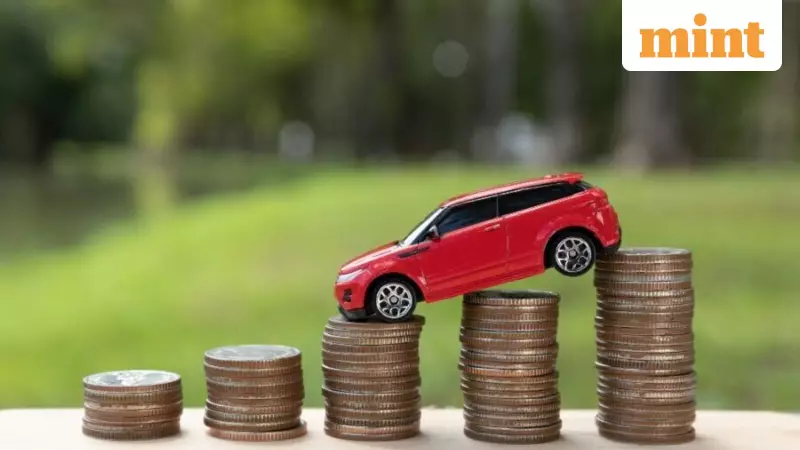
Every new car owner in India experiences a common reality: the vehicle's value begins to drop the moment it leaves the showroom. This inevitable decline, known as car depreciation, is not a random process. It is a calculated reduction influenced by several specific factors, and it has a direct and significant link to your motor insurance policy. Understanding this process is crucial for making informed choices, whether you are planning to sell your car, renew your insurance, or simply manage the total cost of ownership.
What Drives Your Car's Value Down? 7 Critical Factors
The rate at which your car loses value depends on a combination of elements. By knowing these, you can better predict your car's future worth and its financial implications.
1. Age and Mileage: The Primary Culprits
The age of your vehicle is a fundamental driver of depreciation. As years pass, the market value steadily falls. Cars older than a decade typically see a steep drop in resale price due to wear and tear, outdated features, and perceived lower efficiency. However, classic or rare collector models can defy this trend and even appreciate. Similarly, the odometer reading tells a story. Higher mileage usually means more wear on the engine, tyres, and interior, pulling the resale value down. A low-mileage, well-maintained car naturally holds its value for a longer period.

2. Condition, Brand, and Ownership History
A car's physical state directly impacts its price. Dents, scratches, worn-out brakes, or faded paint can significantly reduce its worth. Conversely, a full service history from authorised centres helps slow depreciation. The brand's reputation in the market is equally vital. Models from manufacturers known for reliability, strong after-sales service, and low maintenance costs tend to depreciate at a steadier, more predictable rate. Market trends also play a role; for instance, SUVs often have better resale value than many sedans. Furthermore, a car with multiple previous owners usually loses value faster than a single-owner vehicle with a verifiable maintenance record, as consistent care is harder to track.
3. Fuel Type and the Insurance Link
In today's market, the type of fuel your car uses affects its depreciation. Petrol cars generally retain value better than diesel variants, which face stricter emission norms and higher registration costs in several Indian states. Fuel-efficient models, regardless of fuel type, depreciate slower as they remain economical to run. The rise of electric and hybrid vehicles introduces new factors like government subsidies and charging infrastructure into the depreciation equation.
Most importantly, depreciation is intrinsically linked to your motor insurance through the Insured Declared Value (IDV). The IDV is the maximum amount your insurer will pay if your car is stolen or totalled. As your car depreciates, its IDV decreases, which in turn affects your insurance premium and potential claim settlement. Maintaining a safe driving record to earn a No Claim Bonus (NCB) is a smart way to counter some of the premium costs.
How is Depreciation Calculated for Insurance in India?
The Insurance Regulatory and Development Authority of India (IRDAI) provides standard depreciation rates for calculating a vehicle's IDV. These rates are applied to the manufacturer's listed selling price and are crucial for determining your coverage.
IRDAI-Approved Depreciation Rates for IDV Calculation:

- Less than 6 months old: 5% depreciation
- 6 months to 1 year: 15% depreciation
- 1 year to 2 years: 20% depreciation
- 2 years to 3 years: 30% depreciation
- 3 years to 4 years: 40% depreciation
- 4 years to 5 years: 50% depreciation
- More than 5 years: Depreciation is mutually decided by the insurer and the policyholder.
In conclusion, car depreciation in India is a multi-faceted process governed by age, mileage, physical condition, brand perception, ownership history, fuel efficiency, and regulatory changes. These factors collectively determine how much financial value your vehicle retains over time and directly influence your insurance costs via the IDV. By grasping these concepts, you can navigate the used car market with more confidence and make optimal decisions regarding your car insurance policy, ensuring you are neither over-insured nor under-protected.





