

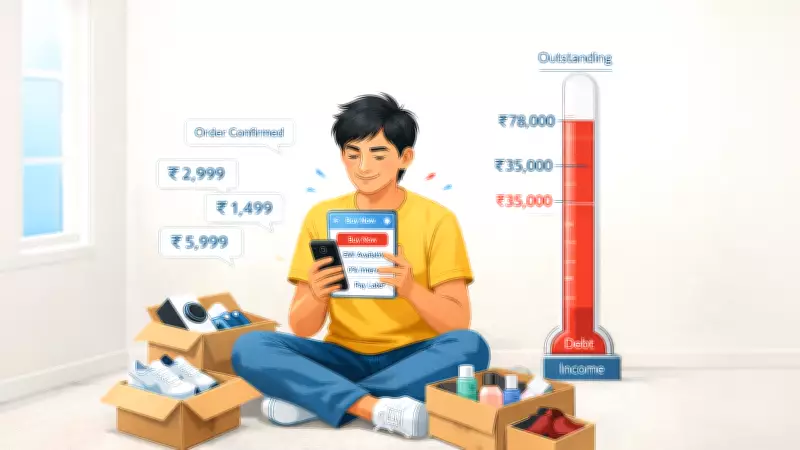
Gen Z's Growing Debt Crisis: The Peril of Instant Loans
In an era of digital convenience, many from Generation Z are finding themselves ensnared in severe financial debt traps, with stories like that of Vidyut Sharma from Pune serving as a stark warning. What begins as small, seemingly manageable loans can rapidly escalate into overwhelming financial burdens, creating a cycle of distress that impacts daily life and mental well-being.
The Case of Vidyut Sharma: A Cautionary Tale
Vidyut Sharma, a 29-year-old freelance photographer based in Pune, embarked on his career journey at the age of 19 in 2016, full of ambition and hope. To support his passion, he took out small loans to purchase essential photography equipment. However, these initial borrowings quickly spiraled out of control, transforming into a massive debt of nearly Rs 40 lakh spread across an astonishing 54 different loan accounts over a period of four to five years.
"I was constantly bombarded with offers for instant loans, which seemed like easy solutions at the time," Sharma recalls. "But I failed to anticipate the distressing consequences of missing EMIs, which led to a relentless cycle of harassment and financial pressure."

The Harassment and Breaking Point
The situation reached a critical point when Sharma began receiving 15 to 20 calls daily from lenders, accompanied by intrusive home visits that added to his stress and anxiety. This relentless harassment pushed him to seek professional help, leading him to approach a debt counseling firm last year. Through structured financial guidance and a disciplined repayment plan, he has managed to reduce his debt significantly, bringing it down to nearly Rs 5 lakh today.
Why Gen Z Is Particularly Vulnerable
This case highlights broader trends affecting Generation Z, who are often targeted by aggressive marketing from digital lending platforms offering instant loans with minimal checks. Factors contributing to their vulnerability include:
- Easy Access to Credit: The proliferation of fintech apps and online lenders makes it simple to obtain loans quickly, often without fully understanding the terms.
- Lack of Financial Literacy: Many young adults enter the workforce with limited knowledge about interest rates, repayment schedules, and the long-term impact of debt.
- Peer Pressure and Lifestyle Aspirations: The desire to keep up with trends or invest in careers can lead to impulsive borrowing.
- Economic Pressures: In a competitive job market, side hustles and freelance work may require upfront investments, tempting individuals to take on debt.
Lessons and Solutions
Sharma's journey underscores the importance of proactive financial management and seeking help before debt becomes unmanageable. Debt counseling services can provide crucial support in negotiating with lenders and creating feasible repayment strategies. Additionally, increasing financial education among youth and regulating predatory lending practices are essential steps to prevent such traps.
As more Gen Z individuals navigate the complexities of modern finance, stories like Sharma's serve as a powerful reminder to approach borrowing with caution and prioritize long-term financial health over short-term gains.






