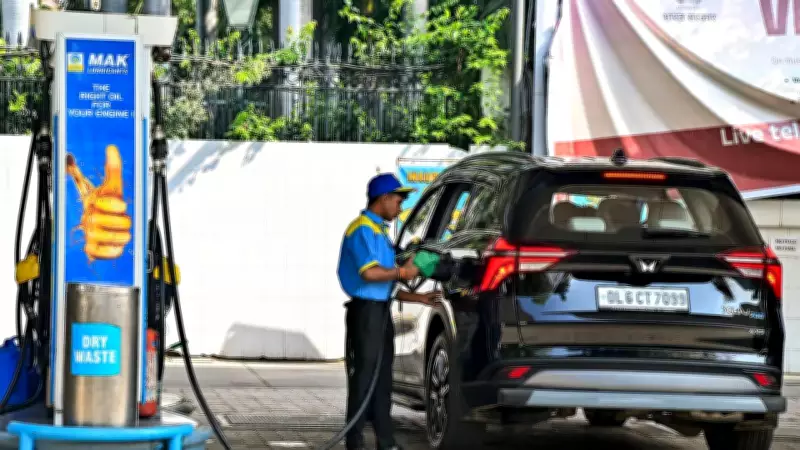
Fuel prices were raised again on Monday, marking the fourth hike in less than two weeks. Petrol became costlier by Rs 2.61 per litre, while diesel increased by Rs 2.71 per litre. This latest revision is expected to add further pressure on household budgets and transportation costs, as consumers continue to grapple with rising fuel expenses amid fluctuations in global energy markets.
Cumulative Increase Nears Rs 7.5 Per Litre
Following the latest revision, cumulative increases in petrol and diesel prices have neared Rs 7.5 per litre since fuel price adjustments resumed on May 15 after an extended freeze. In Delhi, petrol prices rose by Rs 2.61 per litre to Rs 102.12 from Rs 99.51, while diesel rates increased by Rs 2.71 to Rs 95.20 per litre from Rs 92.49, according to industry sources.
Factors Behind the Price Hikes
The repeated hikes come against the backdrop of elevated global crude oil prices and a weakening rupee, both of which have raised import costs for oil marketing companies. The combination of these factors has forced state-owned fuel retailers to pass on the increased costs to consumers.

The impact of these price increases is being felt across various sectors. Transportation costs are rising, which could lead to higher prices for goods and services. Households, already dealing with inflationary pressures, are finding it increasingly difficult to manage their monthly budgets.
Experts suggest that if global crude prices remain high and the rupee continues to weaken, further fuel price hikes may be unavoidable. The government has limited room to intervene, as it seeks to balance fiscal discipline with the need to protect consumers from excessive price volatility.
The recent price adjustments have reignited discussions about the need for a more stable fuel pricing mechanism. Some analysts advocate for a reduction in excise duties and value-added tax (VAT) to provide relief to consumers. However, such measures would require coordination between the central and state governments.
As the situation evolves, consumers are advised to plan their fuel purchases carefully and explore alternatives such as carpooling or using public transportation to mitigate the impact of rising fuel costs.