

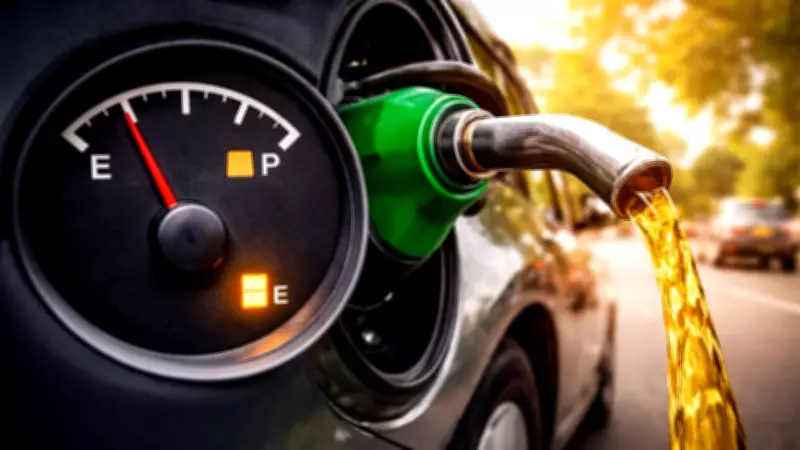
Five Driving Habits That Secretly Reduce Your Vehicle's Fuel Efficiency in India
Fuel efficiency remains a paramount concern for vehicle owners across India, with prospective buyers frequently evaluating cars and motorcycles based on their advertised mileage figures. However, actual fuel consumption is not solely determined by the vehicle's specifications or manufacturer claims. Driving habits play a crucial and often underestimated role in real-world efficiency, frequently diminishing mileage without the driver's awareness. While manufacturers provide fuel economy numbers under controlled laboratory conditions, everyday usage presents a vastly different scenario, and repetitive driving patterns can substantially increase fuel consumption over time. In this comprehensive analysis, we examine five prevalent driving habits that are secretly undermining your vehicle's fuel efficiency.
1. Hard Acceleration and Abrupt Throttle Inputs
Hard acceleration from a complete standstill is a widespread factor that significantly reduces fuel efficiency. Drivers commonly apply the throttle sharply when traffic begins to move, seeking a quicker response, but this action dramatically increases fuel consumption. Abrupt throttle inputs compel the engine to utilize more fuel to generate sudden power, a phenomenon particularly pronounced during city driving where frequent stops and starts lead to repeated acceleration cycles, thereby elevating overall fuel usage.
In Indian driving conditions, characterized by regular traffic signals, numerous speed breakers, and pervasive congestion, this pattern exerts an even greater impact. The cycle of repeated acceleration followed by necessary braking results in considerable fuel loss and diminished efficiency. Adopting a gradual increase in speed proves far more effective. Smooth throttle application and maintaining a steady pace whenever possible can substantially improve mileage over extended periods.

2. Usage of Incorrect Gears
Incorrect gear usage stands as a common reason for reduced fuel efficiency, especially in manual transmission cars and motorcycles. Many drivers fail to adjust gears appropriately during routine city driving, leading to heightened fuel consumption and added engine strain. Operating in a lower gear at higher speeds unnecessarily increases engine revolutions and fuel use, while employing a higher gear at low speeds places the engine under excessive load and reduces operational efficiency. Both scenarios prevent the engine from functioning within its optimal performance range.
This pattern frequently manifests in daily commuting, where drivers remain in lower gears such as second or third for prolonged periods, delay upshifts, or persist in higher gears during low-speed maneuvers. Such habits are more prevalent in urban conditions with uneven traffic flow. The detrimental effect intensifies in stop-and-go traffic, where frequent speed variations demand timely gear shifts. Incorrect gear selection under these circumstances not only reduces mileage but can also contribute to accelerated engine wear over time. Maintaining optimal fuel efficiency necessitates shifting gears in alignment with the engine's operating parameters. Timely upshifts and downshifts ensure smoother performance and lower fuel consumption.
3. Unnecessary Engine Idling
Extended engine idling represents a frequently overlooked factor that lowers fuel efficiency, as vehicles continue to consume fuel even when stationary. Drivers often leave engines running at traffic signals, outside shops, or during brief stops, resulting in unnecessary fuel expenditure. Although idling may appear insignificant, particularly when air conditioning is engaged, it leads to continuous fuel consumption without covering any distance. Over time, repeated idling episodes can substantially affect overall mileage.

The impact is more pronounced in metropolitan areas such as Bengaluru and Delhi, where prolonged signals and frequent congestion create extended waiting periods. In stop-and-go traffic scenarios, idling combined with repeated acceleration further diminishes efficiency and escalates fuel usage. Prolonged idling can also contribute to higher emissions and incremental engine wear. Switching off the engine during longer stops presents a more efficient approach. If the vehicle remains stationary for more than 30 to 60 seconds, turning off the engine can conserve fuel, as restarting modern engines typically consumes less fuel than continued idling.
4. Incorrect Tyre Pressure Maintenance
Incorrect tyre pressure is a commonly neglected factor that adversely affects fuel efficiency, as even minor pressure drops can increase fuel consumption. Many drivers neglect regular tyre pressure checks unless a visible issue emerges. Under-inflated tyres elevate rolling resistance, forcing the engine to work harder and utilize more fuel, particularly during city driving with frequent acceleration demands. Over extended periods, this results in measurably lower overall mileage.
The impact is exacerbated under Indian conditions, where variable road surfaces, temperature fluctuations, and regular usage cause tyre pressure to fluctuate unpredictably. Despite this reality, periodic pressure checks are often disregarded, leading to sustained efficiency losses. Improper tyre pressure can also cause uneven tread wear and compromise handling stability. Regular monitoring, ideally every two weeks, and maintaining manufacturer-recommended pressure levels can significantly improve efficiency. Properly inflated tyres reduce engine load, support enhanced mileage, and improve overall driving stability and safety.
5. Excessive Air Conditioning Operation
Excessive use of air conditioning can substantially reduce fuel efficiency, particularly in smaller vehicles where the engine must accommodate additional operational load. While AC usage is often necessary given India's climatic conditions, inefficient operation unnecessarily increases fuel consumption. Running the AC at very low temperatures or maximum fan speed places greater demand on the engine, leading to higher fuel usage, especially in urban conditions characterized by frequent stops.
Over time, this practice negatively impacts overall mileage. The effect is more pronounced in typical Indian driving scenarios, where lengthy commutes, traffic congestion, and elevated temperatures result in extended AC operation. Drivers frequently operate the system at full capacity even when unnecessary. Common inefficient practices include setting the temperature to the lowest level upon startup and maintaining high cooling intensity after the cabin reaches a comfortable state, which adds to fuel consumption without providing additional comfort benefits. Utilizing the AC more efficiently can mitigate this impact. Maintaining moderate temperature settings and adjusting fan speed as needed reduces engine load. Reducing AC intensity after achieving desired cabin cooling can improve fuel efficiency while preserving passenger comfort.
In summary, while vehicle specifications influence fuel economy, driver behavior plays an equally critical role. By addressing these five habits—hard acceleration, incorrect gear usage, unnecessary idling, improper tyre pressure, and excessive AC operation—Indian drivers can achieve noticeable improvements in fuel efficiency, reducing operational costs and environmental impact simultaneously.





