

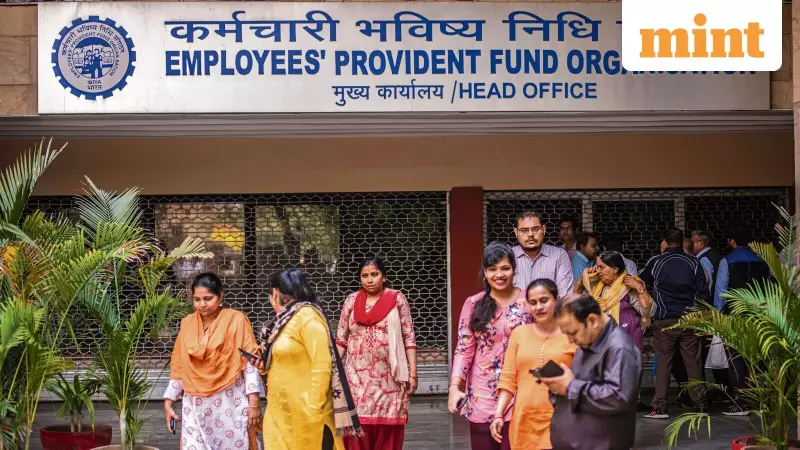
Planning to withdraw your EPF savings? The Employees' Provident Fund Organisation (EPFO) has specific rules that could make or break your retirement dreams. Understanding these regulations is crucial for every working professional in India.
What You Need to Know About EPF Withdrawals
The EPFO allows partial withdrawals for specific purposes even while you're still employed. However, many employees make the mistake of completely withdrawing their PF balance when switching jobs, which can significantly impact their long-term financial security.
When Can You Withdraw Your EPF?
According to EPFO guidelines, you can make partial withdrawals for:

- Medical emergencies for yourself or family members
- Marriage of self, children, or siblings
- Higher education of children
- Home construction or purchase
- Home loan repayment
- Renovation of existing property
The Big Mistake Most Employees Make
Many professionals make the critical error of withdrawing their entire EPF balance when changing jobs. This not only depletes your retirement corpus but also results in losing the power of compounding on your savings.
Instead of withdrawing, you should transfer your EPF account to your new employer. This ensures your retirement savings continue to grow tax-free with attractive interest rates.
Complete Withdrawal Conditions
You can withdraw your entire EPF balance only under these circumstances:
- Retirement from service after attaining 55 years of age
- Early retirement (between 54-57 years) with specific conditions
- Permanent migration abroad
- Total physical disability
- Unemployment for more than two months
Understanding the Pension Scheme Component
Your EPF contribution includes two parts: the provident fund and the pension scheme. When you withdraw your EPF before completing 10 years of service, you lose eligibility for the monthly pension.
The pension scheme requires minimum 10 years of service to qualify for monthly pension payments after retirement age. This is why financial experts strongly advise against early withdrawals.
Tax Implications You Should Know
EPF withdrawals before completing 5 years of continuous service are taxable. The amount withdrawn is added to your income for that financial year and taxed according to your income tax slab.
However, if you've completed 5 years of continuous service, your EPF withdrawal becomes completely tax-free.
How to Apply for EPF Withdrawal
The EPFO has made the withdrawal process completely online through the Unified Member Portal. Here's the simplified process:
- Log in to the EPFO member portal
- Verify your KYC details are updated
- Select the 'Claim' option
- Choose the type of withdrawal needed
- Submit the required documents
- Track your application status online
Remember, your EPF is not just savings—it's your financial security for retirement. Make informed decisions and consult with financial advisors before making any withdrawal decisions that could impact your golden years.






