

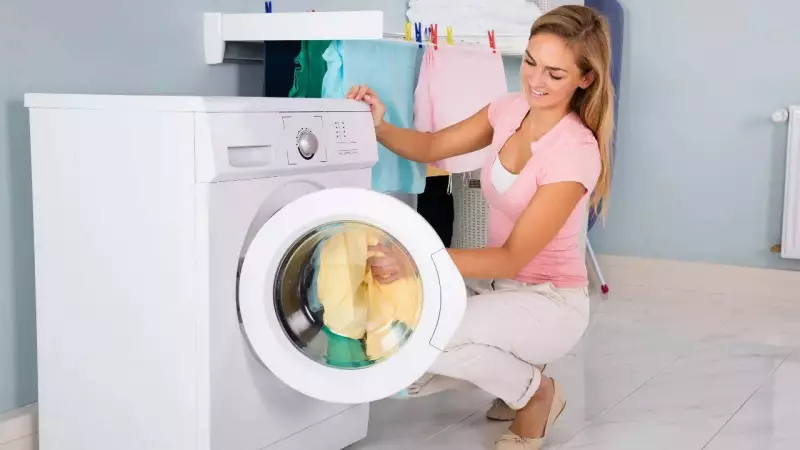
Laundry is a household chore everyone faces regularly. Yet few people realize that the timing of this routine task can make a big difference. It affects your electricity bills, the environment, and even your home comfort. Many of us simply wash clothes whenever it's convenient, without thinking about power use, heating, or drying. This approach can be costly and hard on your machines.
Why Laundry Timing Matters
Electricity costs are not fixed throughout the day. They change based on demand. Peak hours happen when most homes and businesses use power. In summer, this is often late afternoon or early evening. In winter, with electric heating, peaks may occur in the early morning. Running your washing machine during off-peak times cuts your electricity costs. It also reduces pressure on the power grid.
Finding the Best Times to Wash
Check with your local utility company to identify the cheapest times in your area. Generally, evenings, nights, and weekends offer lower rates. Planning laundry during these low-demand hours maximizes savings.

In warmer months, doing laundry in the evening or at night helps. It avoids adding extra indoor heat during the hottest part of the day. This means your air conditioner doesn't have to work as hard. In colder months, skip early-morning laundry to dodge higher charges linked to heating.
Efficient Washer and Dryer Use
Heating water uses the most energy in laundry. Switching to cold water for most loads dramatically reduces consumption. Always run full loads to make the best use of energy per cycle. Regular maintenance is key too. Clean your machine periodically, check for leaks, and service it as needed. This keeps it running efficiently, saves energy, and extends its life.
Dryer Strategies
Dryers consume more electricity than washers. They also produce heat and humidity, which can increase cooling needs. Run your dryer during cooler hours or ensure good ventilation to minimize heat buildup. Air-drying clothes when possible is a great way to cut energy use. It also prevents indoor humidity issues.
Leveraging Renewable Energy
If your home has solar panels, take advantage. Run your washing machine during daylight hours to use clean, self-generated energy. This lowers dependence on the grid, reduces your carbon footprint, and saves money. It's a win for both your wallet and the planet.
Additional Tips for Laundry Efficiency
- Use energy-efficient wash cycles to minimize electricity usage.
- Maintain your washing machine regularly with cleaning cycles and leak checks.
- Monitor indoor humidity to prevent mold and reduce cooling costs.
- Ensure proper ventilation in the laundry area to cut heat and moisture.
- Plan loads carefully, washing full loads whenever possible.
- Air-dry clothes often to reduce dryer energy consumption.
Timing transforms an ordinary chore like laundry into something more effective and stress-free. With a little awareness and planning, you can achieve cleaner clothes while saving money and helping the environment.






