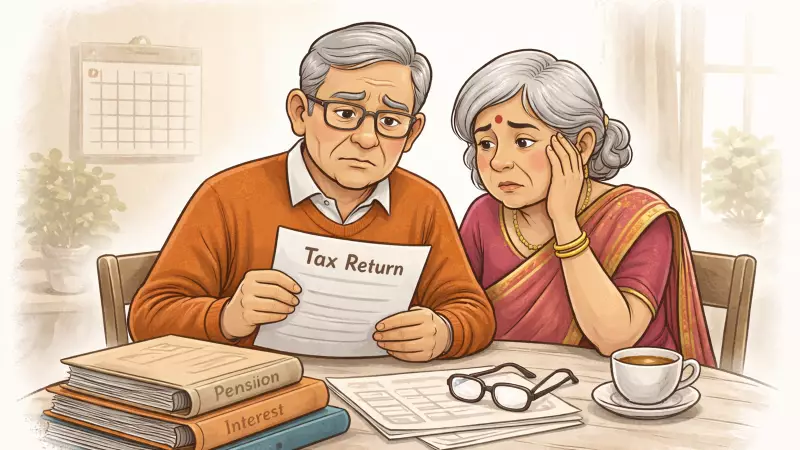
Navigating Tax Pitfalls: Essential Guide for New Retirees
Transitioning into retirement marks a significant life change, bringing both freedom and financial responsibilities. For new retirees, managing taxes effectively is crucial to preserving hard-earned savings and ensuring a stable income stream. Unfortunately, many individuals overlook key tax considerations, leading to avoidable mistakes that can impact their financial well-being. This article highlights five critical tax errors that new retirees should steer clear of, offering insights to help you make informed decisions and safeguard your retirement funds.
1. Misjudging Withdrawal Timing from Retirement Accounts
One of the most common blunders involves the timing of withdrawals from retirement accounts such as the Public Provident Fund (PPF), Employee Provident Fund (EPF), or National Pension System (NPS). New retirees often withdraw lump sums without considering the tax implications. In India, premature withdrawals or withdrawals before completing the required lock-in periods can attract penalties and tax liabilities. For instance, EPF withdrawals before five years of continuous service are taxable. It's essential to plan withdrawals strategically, aligning them with tax-saving opportunities and avoiding unnecessary tax burdens.
2. Overlooking Tax-Efficient Investment Options
After retirement, your investment strategy should shift towards tax-efficient instruments to maximize post-tax returns. Many retirees continue with high-risk or taxable investments without exploring alternatives like Senior Citizens' Saving Scheme (SCSS) or Post Office Monthly Income Scheme (POMIS), which offer tax benefits under Section 80C of the Income Tax Act. Additionally, dividends from equity mutual funds are tax-free up to a limit, but interest from fixed deposits is fully taxable. Diversifying into tax-saving bonds or annuities can reduce your overall tax liability and enhance income stability.

3. Failing to Optimize Pension Income Taxation
Pension income, whether from employer-provided plans or the NPS, is taxable under the head "Income from Salaries" or "Income from Other Sources." New retirees sometimes neglect to claim deductions available for pension contributions or fail to structure their pension payouts optimally. For example, commutation of pension (partial withdrawal) is tax-free, but regular pension payments are taxable. Understanding the tax treatment of different pension components and utilizing exemptions can significantly lower your tax outgo.
4. Ignoring Health Insurance and Medical Expense Deductions
Healthcare costs tend to rise with age, making health insurance a vital aspect of retirement planning. Under Section 80D of the Income Tax Act, premiums paid for health insurance policies for self, spouse, and dependent parents are deductible up to specified limits. New retirees often miss out on these deductions by not maintaining adequate coverage or by overlooking policies that qualify for tax benefits. Additionally, medical expenses for specific treatments can be claimed under Section 80DDB, providing further tax relief. Ensuring proper documentation and timely claims is key to leveraging these benefits.
5. Neglecting Estate Planning and Inheritance Tax Considerations
While India does not have a federal inheritance tax, assets transferred to heirs may attract other taxes like capital gains tax or wealth tax in certain scenarios. New retirees frequently delay estate planning, leading to complications in asset distribution and potential tax liabilities for beneficiaries. Setting up a will, nominating beneficiaries in financial accounts, and understanding the tax implications of gifting or bequeathing assets can prevent legal hassles and optimize tax outcomes for your loved ones.
Proactive Steps for Tax-Smart Retirement
Avoiding these tax mistakes requires proactive planning and continuous learning. Consult with a financial advisor to tailor strategies to your specific needs, stay updated on tax law changes, and regularly review your financial portfolio. By being vigilant and informed, new retirees can navigate the tax landscape confidently, ensuring their golden years are financially secure and stress-free.