The Global Traffic Crisis: Urban Centers Overwhelmed by Congestion
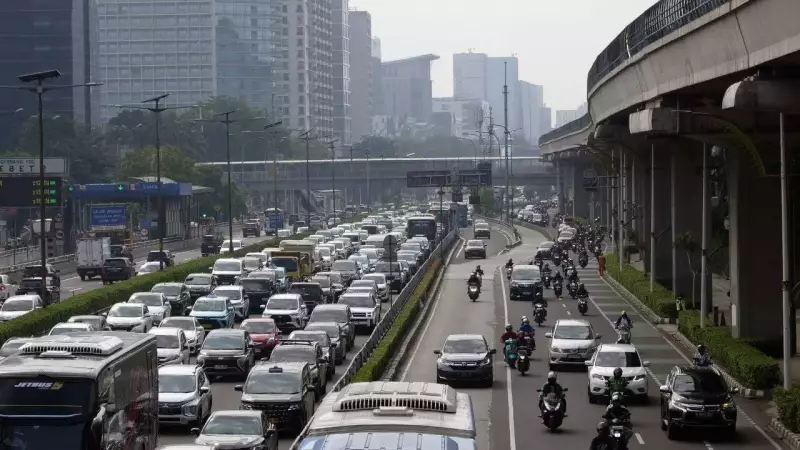
Modern urban living is increasingly defined by gridlocked streets and frustratingly slow commutes. Cities around the world are experiencing unprecedented strain on their transportation infrastructure, creating a widespread traffic crisis that impacts millions daily. This phenomenon transcends geographical boundaries and economic status, affecting both established megacities and rapidly developing urban centers.
Root Causes of Extreme Urban Congestion
Several interconnected factors drive this global traffic dilemma:
- Rapid Population Growth: Urban migration continues at an accelerated pace, overwhelming existing road networks designed for smaller populations.
- Private Vehicle Dependence: Increased personal car ownership and usage outpace public transportation development in many regions.
- Centralized Economic Activity: Business districts concentrated in city centers create predictable rush hour bottlenecks.
- Infrastructure Limitations: Historical city layouts, geographical constraints, and slow infrastructure upgrades compound congestion problems.
The consequences extend far beyond mere inconvenience. Daily commutes in affected cities often stretch to unreasonable lengths, with average traffic speeds during peak hours frequently slower than cycling or even walking. This represents not just lost time but significant economic and personal costs for urban residents.

Global Traffic Rankings: Cities Most Affected by Congestion
Recent data reveals the staggering impact of traffic congestion across urban centers worldwide. The following table highlights cities experiencing the most severe congestion levels:
Top 10 Most Congested Cities Worldwide
- Mexico City, Mexico: 75.90% congestion level, 17.4 km/h average speed, 184 hours lost annually
- Bengaluru, India: 74.40% congestion level, 16.6 km/h average speed, 168 hours lost annually
- Dublin, Ireland: 72.90% congestion level, 17.4 km/h average speed, 191 hours lost annually
- Łódź, Poland: 72.80% congestion level, 22.5 km/h average speed, 135 hours lost annually
- Pune, India: 71.10% congestion level, 18 km/h average speed, 152 hours lost annually
- Lublin, Poland: 70.40% congestion level, 27 km/h average speed, 117 hours lost annually
- Bogotá, Colombia: 69.60% congestion level, 18.9 km/h average speed, 153 hours lost annually
- Arequipa, Peru: 69.50% congestion level, 18 km/h average speed, 154 hours lost annually
- Lima, Peru: 69.30% congestion level, 17.2 km/h average speed, 195 hours lost annually
- Bangkok, Thailand: 67.90% congestion level, 26.1 km/h average speed, 115 hours lost annually
City-Specific Traffic Challenges and Characteristics
Mexico City: The Chronic Congestion Capital
Mexico City tops global congestion rankings with a combination of extreme population density, lengthy commuting distances, and geographical constraints. Surrounded by mountains that limit road expansion possibilities, the city struggles despite having extensive metro and bus networks. Overcrowding and last-mile connectivity gaps continue to push residents toward private vehicles, creating a persistently congested environment that costs commuters significant time annually.
Bengaluru: India's Technology Hub Overwhelmed
Bengaluru's traffic woes stem directly from its explosive growth as India's premier technology center. Thousands of new workers arrive annually, overwhelming road networks designed for much smaller populations. Narrow streets, constant construction projects, and skyrocketing private vehicle ownership have reduced average speeds to under 17 km/h. While metro expansion continues, incomplete coverage and poor last-mile connectivity ensure congestion remains a daily reality across the city.

Dublin: Compact City, Massive Congestion
Despite its relatively small size, Dublin experiences traffic jams comparable to much larger metropolitan areas. Historic street layouts, limited road space, and suburbanization patterns contribute significantly to congestion. A high percentage of residents rely on personal vehicles due to inadequate public transportation beyond the city center, resulting in peak-hour gridlock that wastes nearly 200 hours annually for affected commuters.
Łódź and Lublin: Poland's Emerging Traffic Challenges
Polish cities Łódź and Lublin demonstrate how traffic problems are spreading beyond traditional megacities. Łódź faces congestion primarily from urban renovation projects and increasing car ownership rates, while roadworks and insufficient bypass routes exacerbate delays. Lublin represents an emerging concern where higher average speeds mask growing delays from rising vehicle ownership and suburban expansion, highlighting the importance of early intervention before congestion becomes entrenched.
Pune: Educational Hub Grappling with Growth
Pune's transformation into a major education and information technology center has brought severe traffic consequences. While trip lengths remain relatively short, massive population growth has overwhelmed infrastructure, costing residents over 150 hours annually in traffic delays. Metro rail construction offers hope for future improvement, but current transportation challenges remain among the city's most pressing issues.
South American Urban Centers: Bogotá, Lima, and Arequipa
South American cities face distinct traffic challenges shaped by geography and development patterns. Bogotá struggles with congestion despite operating one of the world's largest bus rapid transit systems, as demand consistently outpaces capacity. Lima experiences some of South America's worst traffic jams, with commuters losing nearly 200 hours annually to congestion that also contributes significantly to pollution. Arequipa represents how secondary cities are now facing traffic issues once restricted to major capitals, with limited road networks struggling to accommodate growing private vehicle usage.
Bangkok: A Global Symbol of Urban Gridlock
Bangkok's traffic has become legendary, representing both the challenges and cultural aspects of transportation in Thailand's capital. While some routes have seen speed improvements, overwhelming vehicle volumes continue to cause significant jams. Rail transport expansion offers some relief, but private cars remain dominant in the city's transportation ecosystem.
The Broader Implications of Urban Traffic Congestion
The impact of extreme traffic congestion extends far beyond mere transportation delays. Residents in highly congested cities typically lose between 100 and 200 hours annually stuck in traffic, with profound consequences for:
- Economic Productivity: Lost work hours and reduced efficiency cost economies billions annually.
- Mental Health: Chronic stress from daily commuting takes a significant psychological toll.
- Environmental Quality: Extended idling times contribute substantially to urban air pollution.
- Quality of Life: Reduced leisure time and increased frustration diminish overall urban living experiences.
Perhaps most concerning is how extreme congestion has democratized across city sizes. No longer limited to traditional megacities, mid-sized and rapidly developing urban centers are increasingly joining the ranks of severely congested locations. This trend signals a truly global traffic crisis requiring coordinated solutions that address both infrastructure limitations and transportation behavior patterns.
The worldwide traffic dilemma represents one of the most pressing urban challenges of our time, demanding innovative approaches to mobility, urban planning, and sustainable transportation development. As cities continue to grow and evolve, addressing congestion will remain critical to ensuring livable, efficient urban environments for future generations.