The Story Behind India's 14.2 kg LPG Cylinder Standard
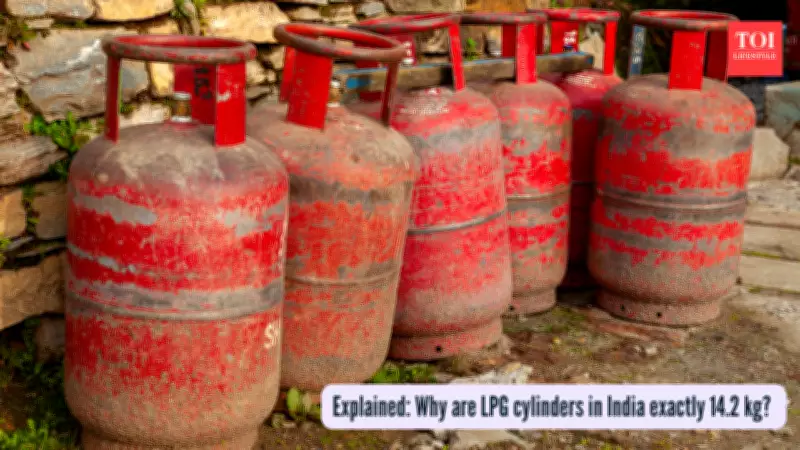
When a 14.2 kg LPG cylinder arrives at your doorstep, that specific decimal weight might appear arbitrary. However, this precise figure represents decades of meticulous engineering, stringent safety regulations, and extensive practical experimentation. For millions of Indian households, LPG has been an essential cooking fuel, and the 14.2 kg measurement—rather than a round 14 or 15 kg—embodies a careful balance between weight, safety, and daily utility established long before the current supply challenges emerged.
Current Geopolitical Impact on LPG Supply
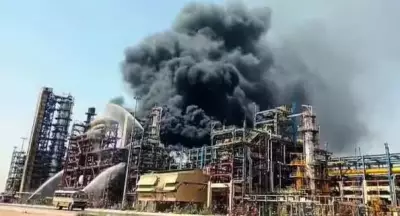
Today, the familiar 14.2 kg mark carries heightened significance as India grapples with an LPG supply crunch. This shortage is directly linked to geopolitical tensions, particularly the conflict between the US and Iran, which has disrupted critical transportation through the Strait of Hormuz. This narrow maritime corridor is vital for global oil and gas shipments, and any blockage or delay there immediately impacts Indian kitchens and restaurant operations. With approximately 60–62% of India's LPG needs dependent on imports, the Hormuz situation creates significant domestic supply chain pressures, leading to increased demand and delayed deliveries that affect countless households.
Historical Origins of the 14.2 kg Standard
The 14.2 kg standard traces back to the late 1950s when LPG was first introduced in India by Burmah Shell, now known as Bharat Petroleum. Initially, there was no legally mandated size; instead, the weight emerged organically through trial and error until 14.2 kg proved optimal for practical efficiency. One primary factor was ease of handling: a full domestic LPG cylinder with its metal body weighs about 29–30 kg, which was determined to be manageable for an average person, including delivery personnel. If filled to 15 kg, the additional gas would make the cylinder heavier and more difficult to lift, especially given that most cylinders are manually transported up stairs and through confined apartment spaces.

Household Usage Patterns and Practical Considerations
Household consumption patterns also influenced this standard. According to industry reports, around 14 kg of LPG typically suffices for an average family's cooking needs for roughly 30–45 days, depending on household size and culinary habits. This balance ensures that refills are not required too frequently, while also minimizing the risk of sudden shortages, thereby aiding in planning and supply logistics for both consumers and distributors.
Safety as the Paramount Factor
Safety stands as the most critical reason for the 14.2 kg limit. LPG is stored under high pressure, necessitating empty space within the cylinder to allow for gas expansion. Overfilling could lead to dangerously elevated pressure levels or require thicker, heavier cylinder construction, increasing costs and handling difficulties. Consequently, experts and regulators converged on 14.2 kg as the maximum safe and practical fill for standard domestic cylinders, ensuring reliable performance under varying conditions.
Chemical Composition and Environmental Adaptability
The chemical properties of LPG further shaped this specification. LPG comprises a mixture of propane and butane, with proportions that fluctuate based on temperature and weather conditions. These variations affect internal pressure, and the vacant space retained at the 14.2 kg fill level accommodates such fluctuations safely, preventing potential hazards. This design consideration underscores the cylinder's adaptability to India's diverse climatic zones, from humid coastal areas to arid inland regions.
In summary, the 14.2 kg LPG cylinder is a testament to thoughtful engineering that prioritizes user convenience, household efficiency, and uncompromising safety. As India navigates the current supply challenges exacerbated by international conflicts, understanding these foundational aspects highlights the resilience and foresight embedded in everyday infrastructure.