Uruguay's Unique Demographic: Cattle Significantly Outnumber Human Population
In the Southern Cone of South America, Uruguay stands out as a high-income nation with a remarkable demographic reality. Official data reveals that the country's human population of approximately 3.44 million is vastly overshadowed by its cattle herd, which numbers around 12 million. This creates a striking ratio of about 3.5 cows for every person, a statistic that underscores the central role of livestock in Uruguay's national identity and economic framework.
Agricultural Dominance and Land Use Patterns
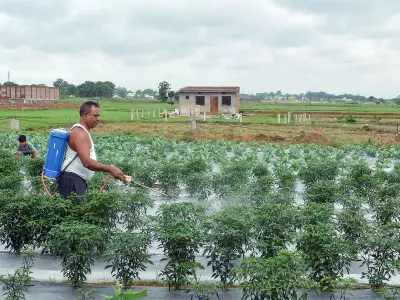
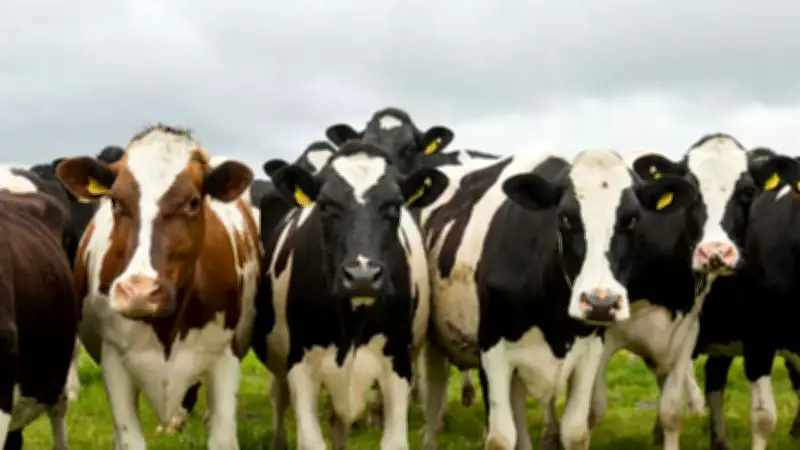
Agricultural activities occupy more than 80 percent of Uruguay's total land area, with the vast majority dedicated to permanent natural pastures. This extensive use of land for grazing has cultivated an environment where cattle are the dominant inhabitants, influencing both cultural norms and economic sustainability. The country's commitment to a grass-fed, natural beef industry means that cows roam freely across rolling hills, rather than being confined to industrial feedlots.
According to the USDA Foreign Agricultural Service Report, projections for 2024-2025 estimate the cattle population will range between 11.4 million and 11.85 million. Even at the lower end of this spectrum, the ratio remains approximately 3.5 cattle per person. This situation is the result of highly concentrated and improved production practices within a ranching context that supports an intensified extensive system of animal husbandry.

Beef Production on the Rise Post-Drought
Following the end of prolonged historic drought periods, beef production in Uruguay is experiencing significant growth. The latest reports project a 6 percent increase in cattle slaughter for 2024, totaling an estimated 2.45 million head. Consequently, beef production is expected to reach 600,000 metric tons in carcass weight equivalent.
Improvements in pasture conditions and increased utilization of feedlots have contributed to reduced production timelines for cattle being prepared for market. This efficiency boost, combined with recovering environmental factors, positions Uruguay for a robust output year.
Export-Oriented Economy with Shifting Market Dynamics
Uruguay maintains its status as one of the world's most export-oriented beef producers, with approximately 75 percent of total production destined for international markets. Historically, China has been the largest destination for Uruguayan beef, but recent trends indicate a growing volume of exports to the United States.
With reduced domestic production in the US, American importers are increasingly utilizing the 20,000 metric ton tariff rate quota and paying additional duties to access Uruguay's lean beef. Total exports for 2024 are projected to reach 465,000 metric tons, reflecting the country's strategic position in global meat trade networks.
The Human "Minority" in a Cattle-Dominated Landscape
Uruguay's unique geography and land-use priorities have created a situation where humans could be classified as a demographic minority within their own country. With over 80 percent of land dedicated to grazing, cattle occupy the physical landscape to such an extent that the 11.6 million cattle population dramatically overshadows the human population of 3.44 million.
This imbalance is further exacerbated by Uruguay's dedication to its "Natural Beef" industry, which relies on grass-fed cattle requiring extensive pastureland. The result is a profound demographic disparity that shapes everything from economic policy to cultural identity in this South American nation.
Economic Implications and Future Outlook
The cattle industry represents far more than just agricultural output for Uruguay—it forms the backbone of the national economy. The combination of favorable natural conditions, advanced husbandry practices, and strategic export relationships has created a sustainable model that benefits from both traditional grazing methods and modern efficiency improvements.
As global demand for quality beef continues to grow, particularly in markets like China and the United States, Uruguay's unique position as a country where cattle outnumber humans by 3.5 to 1 may prove to be an increasingly valuable economic asset in the years ahead.