Trichy Tea Stalls Forced to Adopt Electric Solutions Amid Prolonged LPG Shortage
In Trichy, a persistent and severe shortage of LPG gas cylinders is wreaking havoc on small-scale establishments, particularly tea stalls, compelling many to make a significant shift towards electric equipment. With no clear end in sight for the supply disruptions, vendors are describing this transition as a costly but unavoidable step to ensure their businesses remain operational and competitive in a challenging market environment.
Impact on Daily Operations and Business Continuity
For several weeks now, the irregular supply of LPG cylinders and extensive delays in refills have placed immense pressure on tea shop owners. Many have been forced to either reduce their production output or temporarily shut down their operations, leading to significant financial losses and customer dissatisfaction. The uncertainty surrounding gas availability has created a sense of urgency among vendors to seek alternative energy sources to maintain their livelihoods.
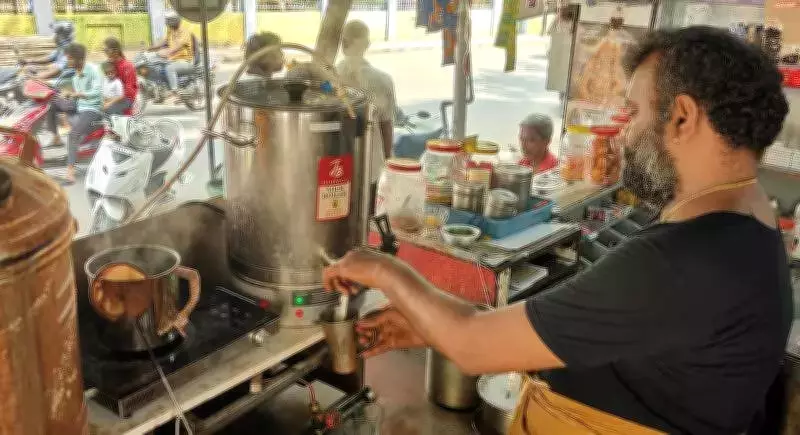
A worker at Naganathar Tea Stall highlighted the critical nature of this shift, stating, "We cannot afford to lose customers every day due to unreliable gas supply. Even though electricity costs are higher, we need a dependable option to keep our business running smoothly. We have already replaced all LPG equipment with induction stoves and electric boilers across all five of our branches to ensure consistency in service."

Financial Challenges and Black Market Exploitation
However, the transition to electricity is not feasible for all tea stall owners, especially those with limited financial resources. Smaller shops continue to rely on LPG due to the prohibitive costs associated with switching to electric alternatives. Ayyappan, a tea stall owner, explained, "The electricity bill from running our fridge alone amounts to ₹7,000 monthly. We simply cannot afford the additional expense of converting to electric stoves. Despite gas prices skyrocketing in the black market, we will continue using gas as long as it is available, even if it means paying inflated prices."
The black market for commercial LPG cylinders has seen a dramatic price surge, exacerbating the crisis. Previously sold for ₹1,600–₹1,700 per cylinder, these are now being traded at ₹4,800–₹5,000, placing an enormous burden on small business owners. In response, some outlets have been compelled to increase the prices of their products to offset these rising costs, further affecting consumer affordability and business sustainability.
Broader Implications and Future Concerns
The ongoing LPG shortage in Trichy raises serious concerns about the long-term viability of small tea stalls and similar establishments. Vendors are increasingly worried about their ability to sustain their businesses amidst the continuous uncertainty over gas supply. The shift to electric equipment, while a practical solution for some, highlights the broader economic challenges faced by small-scale entrepreneurs in adapting to resource scarcities.
As the situation unfolds, tea shop owners are calling for more reliable energy solutions and government intervention to stabilize LPG supply and prices. The transition to electricity, though driven by necessity, underscores the resilience and adaptability of local businesses in the face of adversity, but also points to the need for systemic support to prevent further disruptions in the community's economic fabric.