Tamil Nadu Hotels Association Appeals to Central Government Over LPG Supply Restrictions
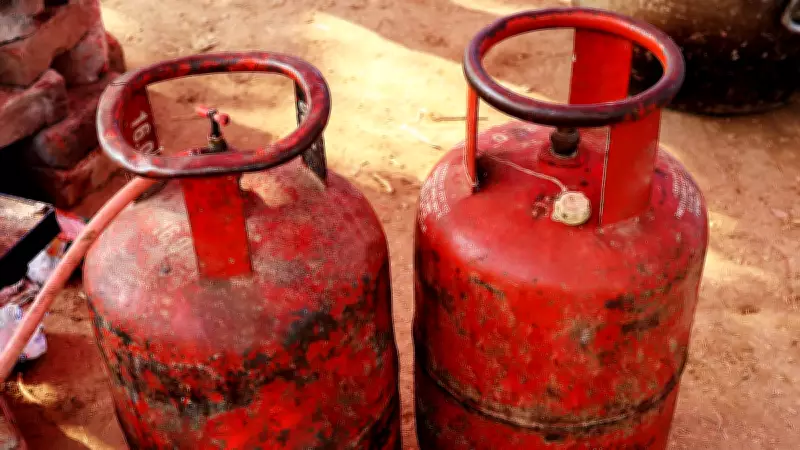
The Tamil Nadu Hotels Association has made an urgent appeal to the central government, requesting the immediate withdrawal of an order concerning the supply of commercial liquefied petroleum gas (LPG) cylinders. This development comes amidst growing concerns within the hospitality industry regarding operational disruptions and economic fallout.
Understanding the Government's Directive
The central government's order, which imposes restrictions on the distribution of commercial LPG cylinders, is reportedly linked to the ongoing geopolitical tensions and conflicts in Middle Eastern countries. These regions are significant suppliers of LPG, and the instability has prompted regulatory measures to manage domestic supply chains. However, the association argues that while the government's intentions may be rooted in national security and resource management, the practical consequences for local businesses are dire.
Impact on Hospitality Sector and Employment
M Venkadasubbu, the president of the Tamil Nadu Hotels Association, has emphasized that the order would severely affect hotels and eateries across the state. In a detailed statement, he highlighted that the hospitality sector relies heavily on commercial LPG for cooking and other essential operations. The restriction could lead to:

- Operational shutdowns or reduced services in numerous establishments.
- Increased operational costs as businesses seek alternative energy sources.
- Potential job losses for a large number of employees in the sector, exacerbating unemployment issues.
Venkadasubbu stressed that the decision overlooks the critical role of the hospitality industry in Tamil Nadu's economy, which supports thousands of livelihoods and contributes significantly to local tourism and commerce.
Broader Implications and Industry Concerns
The association's request underscores broader concerns about how government policies, while addressing international crises, can inadvertently harm domestic industries. The hospitality sector in Tamil Nadu, known for its vibrant food culture and tourism appeal, faces unique challenges due to its dependency on consistent LPG supply. Industry experts warn that prolonged restrictions could:
- Disrupt food supply chains and affect consumer prices.
- Lead to a decline in tourism as eateries and hotels struggle to maintain quality services.
- Create ripple effects in related sectors such as agriculture and retail, which supply ingredients and goods to hotels.
This situation highlights the need for balanced policymaking that considers both global geopolitical factors and local economic stability.
Looking Ahead: Potential Resolutions
As the Tamil Nadu Hotels Association awaits a response from the central government, stakeholders are calling for collaborative solutions. Suggestions include:
- Implementing phased or targeted restrictions to minimize disruption.
- Exploring alternative energy subsidies or support for affected businesses.
- Enhancing dialogue between industry representatives and policymakers to ensure future orders account for sector-specific needs.
The outcome of this appeal could set a precedent for how India manages resource allocation during international conflicts, balancing national interests with the welfare of key industries.