Tata Motors Reinforces Electric Vehicle Strategy Amid India's Growing EV Shift
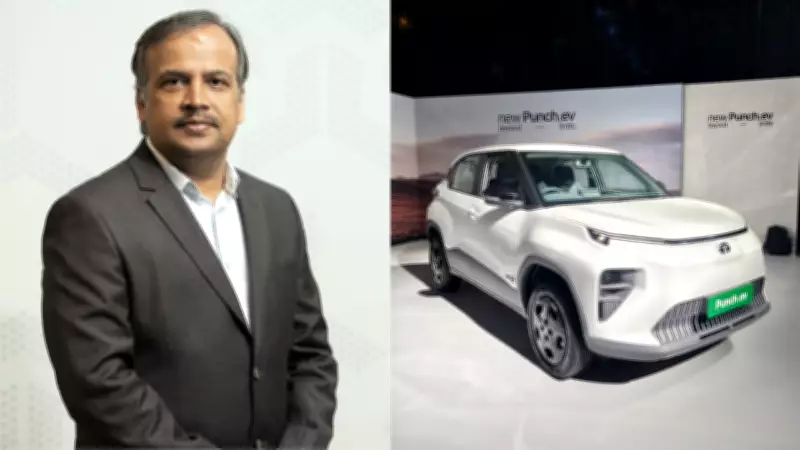
Tata Passenger Electric Mobility is significantly strengthening its electric vehicle strategy, with Chief Products Officer Anand Kulkarni emphatically stating that India has already commenced its pivotal transition towards widespread electrification. In a detailed interaction, Kulkarni comprehensively outlined the company's ambitious plans to expand electric vehicle adoption across the nation, leveraging its established early-mover advantage, diverse product portfolio, and dedicated efforts to develop a robust and extensive charging infrastructure ecosystem.
Key Drivers of Tata's EV Expansion and Market Confidence
Kulkarni highlighted the ongoing substantial investments in advanced automotive technology, continuous improvements in battery performance and cost reduction, and a focused approach to directly address prevalent consumer concerns related to vehicle range and overall ownership experience. He clarified the company's position by noting, "We've been driving electrification for six or seven years. We lead in EVs, whether through a broad product portfolio or unified charging ecosystems. We've been successful in pushing EV adoption, so we clarified that India is already on that path."
The Pivotal Role of the Updated Punch EV in Entry-Level Segment
The updated Punch EV facelift is positioned to play an absolutely critical role in the entry-level electric vehicle segment. Tata Motors aims to aggressively grow its market presence through enhanced vehicle efficiency, added premium features, and highly competitive pricing, while simultaneously benefiting from supportive government policies and rapidly increasing consumer awareness. Kulkarni explained its importance, stating, "It's crucial. The Punch, across ICE and EV, sells 19,000–20,000 units monthly. The facelift offers a better range, efficiency, thermal stability, and a stronger battery warranty, which should boost confidence and adoption."

When asked about convincing existing Punch internal combustion engine owners to switch to the EV version, Kulkarni asserted that the superior cost of ownership, enhanced capability, and improved performance should unequivocally demonstrate why the electric variant is the optimal vehicle choice for modern consumers.
Government Incentives and Technological Advancements
Kulkarni emphasized the fundamental importance of government incentives and policies in stimulating compact electric vehicle demand. "They're key. Incentives raise awareness and stimulate growth. Alongside that, we're improving battery range, capacity, and costs, so both factors work together," he noted. This dual approach combines policy support with relentless technological progress to accelerate market penetration.
Technical Improvements and Market Positioning of the Punch EV
Addressing technical aspects, Kulkarni confirmed that while the larger battery does increase weight, the company has effectively reduced the weight of the electric drive unit, maintaining an optimal weight balance. Regarding potential market overlap with the Nexon EV, he stated that overlaps can occur across models, and if the top-tier Punch overlaps with the base Nexon, it ultimately provides customers with a valuable choice between specific features and pricing points.
Customer Feedback and Real-World PerformanceThe Punch EV facelift was shaped significantly by customer and journalist feedback, which praised the vehicle's refinement. Key improvements include:
- A substantially better driving range
- Addition of more premium features and amenities
- Enhanced battery technology and electric drive system
- Premium interior touches like new switches
- Updated exterior design with a new front bumper and wider rear tail-lamps
For real-world performance, customers can expect approximately 330-350 kilometers of range in city driving conditions with the 40 kWh battery pack. On highways, careful and efficient driving can potentially extend this range even further, addressing common range anxiety concerns.

Battery Technology Advancements
The improved battery performance results from both increased capacity and enhanced cell technology. The new configuration features a 10% higher energy density, and Tata Motors has transitioned from cylindrical cells to more advanced prismatic cells, contributing to better efficiency and reliability.
Tata Motors' comprehensive strategy demonstrates a firm commitment to leading India's electric vehicle revolution, with the Punch EV facelift serving as a cornerstone for democratizing EV access and accelerating sustainable mobility adoption nationwide.