In a significant move towards sustainable urban water management, Southern Railway has initiated a major shift in its daily operations in Chennai. The railway zone is now replacing precious freshwater with treated and recycled sewage water for its non-potable needs, directly addressing the growing strain on the city's drinking water resources.
A Major Step for Water-Stressed Chennai
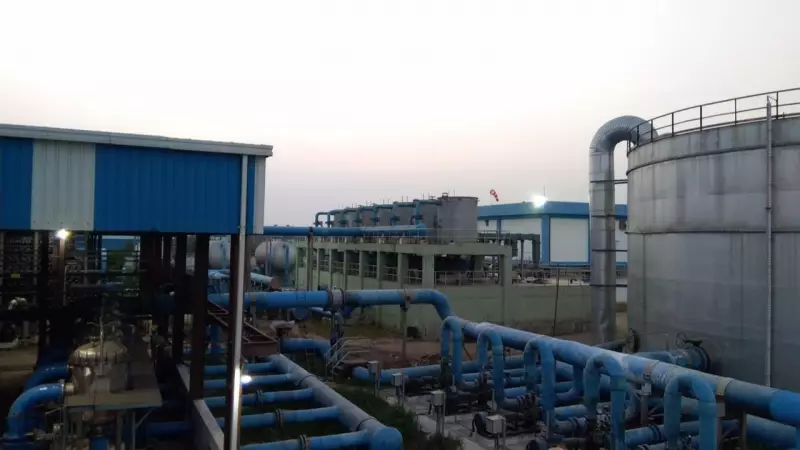
The ambitious project involves sourcing a substantial 5 to 6 million litres per day (MLD) of treated water from the Langs Garden modular sewage treatment plant. This high-volume shift is designed to cater to the railway's extensive operational requirements, which include coach washing, track maintenance, and other activities where potable water is not necessary. This initiative marks a critical step in decoupling essential public services from the consumption of limited freshwater supplies.
Infrastructure and High-Quality Treatment
The execution of this plan is already underway. Chennai Metrowater has completed laying a dedicated pipeline from the Langs Garden facility to the key Egmore railway yard. Southern Railway is concurrently installing its own internal network of pipelines to distribute this recycled water across its various maintenance facilities and yards within the city.

The water supplied is not merely treated but is purified using the reverse osmosis (RO) process. This advanced treatment ensures the water meets stringent quality standards, making it perfectly suitable for large-scale industrial and operational use within the railway system, without any compromise on efficacy or hygiene.
Expanding the Circle of Sustainability
The ripple effects of this project extend beyond the railways. Chennai Metrowater is planning to establish filling points at the Langs Garden plant to supply treated water to the Greater Chennai Corporation. This water could be used for civic duties like street washing, irrigating public parks, and maintaining road medians. While the civic body's final demand is yet to be formalised, the infrastructure is being put in place.
Furthermore, Chennai Metro Rail Ltd (CMRL) is also in discussions with Metrowater to explore sourcing treated sewage water for its own operational needs. This signals a broader, sector-wide adoption of recycled water among major public transport agencies in the metropolitan area.
Boosting Future Supply Capacity
To support this growing demand from railways and other industries, Metrowater is undertaking an upgrade of the Kodungaiyur TTRO plant at an estimated cost of ₹2 crore. This upgrade will enable the plant to achieve its full-scale production capacity of 45 MLD. Combined with output from the Koyambedu plant, this enhanced capacity will reliably meet the rising demand from railways, various industries, and SIPCOT units, contributing significantly to freshwater conservation efforts in the region.
The move by Southern Railway, announced and set into motion in late December 2025, stands as a pragmatic model for other water-stressed Indian cities, demonstrating how large public utilities can lead the way in sustainable resource management.