Why Ryanair's Hard-Nosed Efficiency Should Guide Indian Airlines
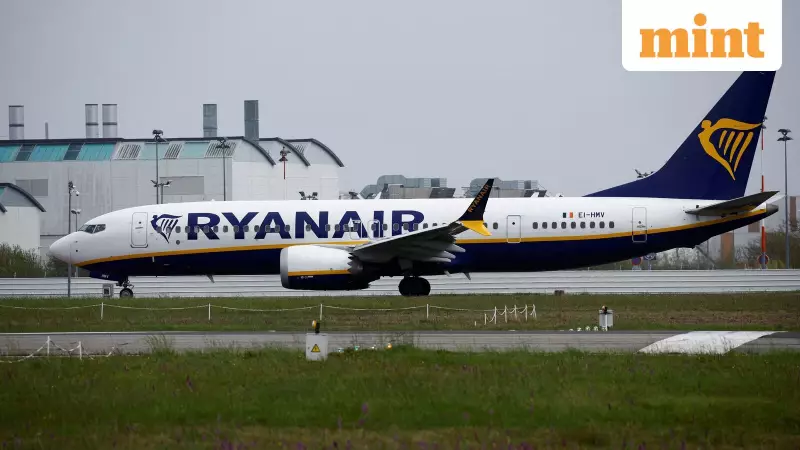
India's airline industry endured a bruising year in 2025. Reputational damage hit hard. As carriers search for a reset, one model stands out. Ryanair, the European low-cost airline, offers powerful lessons. Its approach combines brutal cost discipline with a clear passenger compact. This formula delivers both profits and reliability.
The Ryanair Profit Machine
Ryanair is the world's most efficient and profitable airline. Its numbers tell a compelling story. For the six months ending September 30, Ryanair achieved a 25.9% profit-after-tax margin. That figure towers over Emirates' 15.1%. Ryanair also flies four times more passengers than Emirates does.
Operational efficiency drives this success. The Dublin-based carrier learned from Southwest Airlines decades ago. Since then, Ryanair has taken cost obsession to new heights. CEO Michael O'Leary's philosophy is blunt. He told the Financial Times, "If I could get rid of everyone's bags, I'd have a much better airline."

The Cost-Cutting Playbook
Ryanair implements fees that transform operations. Baggage charges provide a prime example. Introducing fees for checked luggage reduced bag-checking passengers from 80% to 20%. This move slashed aircraft turnaround times to just 25 minutes.
The airline charges passengers who don't check in online. It refuses refunds on purchased tickets. O'Leary's famous quote captures the attitude: "You're not getting a refund so [bleep] off. We don't want to hear your sob stories."
Ryanair's passenger contract is brutally clear. O'Leary explained to the Wall Street Journal: "We don't treat our customers like guests. We give them a seat to fly on, and that's the agreement."
Indian Airlines Need This Discipline
Indian carriers like IndiGo could benefit enormously from Ryanair's approach. The logic is straightforward. IndiGo already operates a single-aircraft-model fleet. It turns planes around quickly. Adopting Ryanair's fee structure could generate significant revenue.
Charging for both hand luggage and checked suitcases would create funds. Airlines could use this money to improve staff conditions. Pilots could get more time off. Night flights that cause fatigue could be reduced. One IndiGo pilot expressed frustration: "For management, we are just a number."
Indian airlines need to focus on two things. They must charge passengers more appropriately. Simultaneously, they must treat their staff better. The current model strains both employees and operations.
The Passenger Compact Revolution
Ryanair's model represents tough love for passengers. The airline doesn't offer seat pockets. This decision speeds up cleaning and turnaround. O'Leary even suggested charging for toilet use, though he may have been joking.
His customer philosophy is unambiguous: "If you don't comply with our rules, we hate you and we will torture you. But if you comply, we love you."
This approach creates efficiency. It allows the airline to spend minimally on marketing. Ryanair budgets just €4 million for marketing. Air France or KLM spend €45 million. O'Leary's provocative statements generate free publicity.
Beyond Airlines: Airport Extravagance
The discussion extends beyond airlines. Indian metro airports have become pleasure palaces. Their lavish designs would astonish railway passengers. These facilities represent sops for the middle class and wealthy.
Ending such extravagance could reduce costs throughout the travel ecosystem. The focus should return to efficient, affordable transport.
The Path Forward for Indian Aviation
Indian aviation needs a Ryanair-style reset. The current jugaad approach works to a point. Low fares and mostly on-time arrivals continue despite challenges. High-maintenance customers with excessive hand luggage complicate operations.
Ryanair offers a case study in sustainable low-cost operations. Its model proves that clear rules and strict fees create profitability. Indian airlines should study this blueprint closely.
The industry's future depends on tough decisions. Charging appropriately, treating staff fairly, and maintaining efficiency form the triad of success. Ryanair shows the way forward.