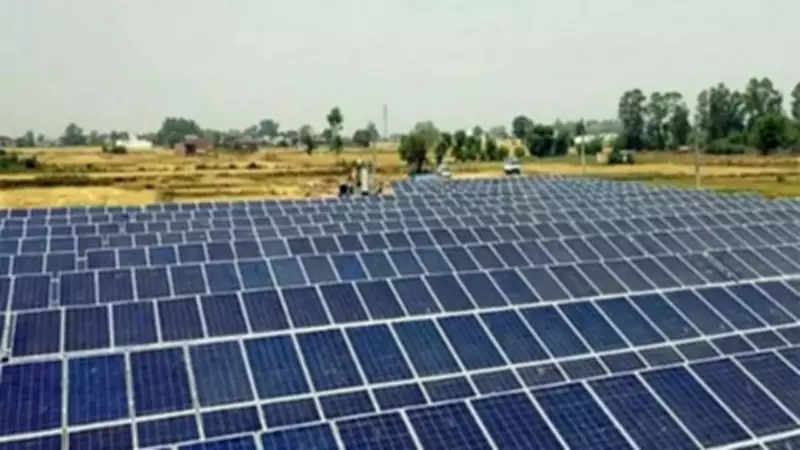
India's Renewable Energy Expansion Confronts Significant Infrastructure and Financial Hurdles
NEW DELHI: As India continues to expand its renewable energy footprint, the latest Economic Survey has identified several critical challenges that could potentially slow down the nation's ambitious clean energy transition. While the proportion of non-fossil sources within India's installed power capacity continues to grow steadily, the survey has raised red flags regarding high capital expenditure requirements, persistent land acquisition delays, and limited grid availability that threaten to impede further capacity expansion.
Material Intensity and Storage Constraints Pose Major Obstacles
The comprehensive report emphasizes that renewable energy systems, particularly solar and wind installations, demand substantial material resources and require sophisticated, capital-intensive energy storage technologies for effective grid integration. According to the survey findings, material requirements and storage limitations represent the two primary constraints preventing wider adoption of clean energy solutions across the country.
The material challenge extends far beyond simple access to critical minerals, encompassing complex implications for mining operations and the substantial energy needs associated with material processing. This multifaceted issue requires comprehensive policy interventions and technological innovations to address effectively.

Record Renewable Additions Amid Ambitious Targets
India achieved a significant milestone in its clean energy journey during 2025, with non-fossil fuel sources contributing an impressive 49.2 gigawatts of new capacity throughout the calendar year. This remarkable addition propelled the nation's total renewable energy capacity to 266.8 GW, representing a substantial 22.6% increase from the 217.6 GW recorded in 2024.
The Economic Survey underscores that maintaining this impressive growth trajectory will necessitate innovative financing mechanisms and more efficient project execution methodologies. These elements become particularly crucial as India pursues its ambitious target of achieving 500 GW of non-fossil energy capacity by 2030, a goal that requires sustained momentum and strategic planning.
Storage Solutions and Strategic Minerals Identified as Critical
To ensure consistent power supply stability, especially during periods of peak electricity demand, the survey strongly recommends large-scale deployment of advanced energy storage technologies. Specifically, the document advocates for expanded implementation of battery energy storage systems and pumped storage hydropower facilities.
These sophisticated technologies enable the storage of excess electricity generated during optimal conditions, which can then be released during high-demand periods. This capability is essential for enabling reliable, large-scale integration of renewable energy sources into the national grid. However, the report cautions that such infrastructure development would involve substantial financial investment.
According to projections from the Central Electricity Authority, India will require approximately 336 gigawatt-hours of energy storage capacity by 2029-30, with this need expanding to 411 gigawatt-hours by 2031-32 to support the growing renewable energy ecosystem.
The survey further highlights specific metals, including lithium, cobalt, nickel, copper, and rare earth elements, as strategic chokepoints that will significantly shape India's low-carbon transition and long-term energy security. Access to these critical materials represents a fundamental concern for the nation's renewable energy ambitions.
Data Sharing and Livelihood Opportunities
The Economic Survey also calls for enhanced sharing of power-related data among utilities, regulatory bodies, and other key stakeholders through the India Energy Stack platform, which was launched in 2025. Improved data transparency and accessibility could facilitate more informed decision-making and optimize renewable energy integration.

Additionally, the document notes that India's renewable energy transition presents significant potential for creating sustainable livelihoods and income opportunities for millions of small-scale energy producers across the country. This social dimension adds an important layer to the economic and environmental benefits of clean energy expansion.