Reliance Industries Enhances LPG Production at Jamnagar Refinery Amid Government Directive
In a strategic move to align with national priorities, Reliance Industries has announced plans to maximize liquefied petroleum gas (LPG) production at its Jamnagar refinery. This decision comes as a direct response to recent government actions aimed at protecting households from the economic fallout of the ongoing conflict in the Middle East.
Government Redirects LNG Supplies to Shield Common Man
The backdrop to this development is the government's initiative to redirect supplies of liquefied natural gas (LNG) away from industrial users and towards households. This policy shift is designed to cushion the common man from the adverse effects of the war in West Asia, ensuring that essential cooking gas remains affordable and accessible during these turbulent times.
By prioritizing domestic consumption over industrial use, the authorities aim to stabilize cooking gas prices and prevent shortages that could exacerbate the challenges faced by ordinary citizens. This move underscores the government's commitment to public welfare in the face of global geopolitical tensions.

Reliance's Proactive Measures to Support National Goals
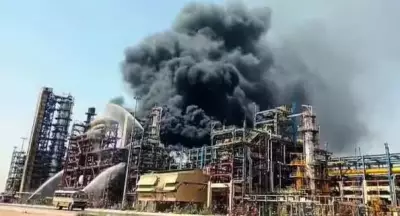
In light of these changes, Reliance Industries is taking proactive steps to bolster LPG production at its Jamnagar facility. The refinery, one of the largest in the world, will ramp up its output to meet the increased demand from households, thereby supporting the government's efforts to ensure a steady supply of cooking gas.
Additionally, Reliance will divert gas from its D6 block in the Krishna-Godavari basin to priority sectors. This reallocation is expected to further enhance the availability of essential fuels for domestic use, aligning with the broader objective of mitigating the impact of international conflicts on India's energy security.
Implications for the Energy Sector and Households
The combined actions of the government and Reliance Industries are likely to have significant implications for both the energy sector and households across India. By focusing on LPG production and gas diversion, these measures aim to:
- Stabilize Cooking Gas Prices: Ensuring that households do not face exorbitant costs for essential fuel.
- Enhance Energy Security: Reducing reliance on volatile international markets by boosting domestic production.
- Support Priority Sectors: Directing resources to areas deemed critical for national well-being, such as residential energy needs.
This coordinated approach highlights the importance of public-private collaboration in addressing complex challenges posed by global events. As the situation in the Middle East continues to evolve, such initiatives may serve as a model for responsive governance and corporate responsibility.
Published on 10 March 2026, these developments reflect ongoing efforts to adapt to changing geopolitical landscapes while safeguarding the interests of the common man. The focus remains on ensuring that essential commodities like cooking gas remain within reach for all, even in times of international strife.