Punjab Industries Urge Government for Infrastructure Overhaul and Policy Reforms
In a significant development highlighting the pressing need for infrastructure modernization and policy adjustments across Punjab's industrial landscape, a high-level delegation from the Chamber of Industrial & Commercial Undertakings (CICU) held a crucial meeting with Cabinet Minister Hardeep Singh Mundian. The discussion centered on critical issues plaguing the state's industrial zones, including deteriorating road networks, challenges related to industrial land use, and several long-standing policy matters that continue to hinder both existing enterprises and upcoming industrial projects.
Road Infrastructure Emerges as Major Bottleneck
CICU President Upkar Singh Ahuja emphasized that poor road connectivity has become one of the most significant obstacles facing Punjab's industrial sector, trade activities, and the general public. He specifically identified several vital arterial routes that require immediate attention due to their severely damaged condition.
Critical Road Sections Requiring Urgent Repair:- The Ramgarh–Chandigarh Road extending up to Sahnewal Airport
- Specific segments of the Grand Trunk Road (GT Road)
- The Chandigarh Road to Paharuwal industrial belt
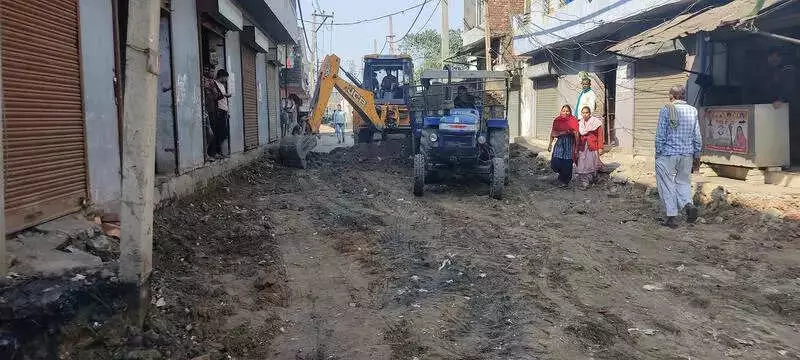
According to Ahuja, these crucial transportation corridors support heavy movement of industrial vehicles, airport commuters, factory workers, students, and local residents. However, they remain plagued by multiple deficiencies including narrow carriageways, broken road surfaces, persistent waterlogging problems, and the complete absence of adequate street lighting.

"Industries cannot maintain competitive advantage when logistics remain slow, unsafe, or excessively expensive," Ahuja stated during the meeting. He further highlighted that the current road conditions pose daily safety risks to workers, students, and regular commuters, creating both economic and public safety concerns.
Call for Time-Bound Infrastructure Development
The CICU delegation urged Minister Mundian to prioritize comprehensive infrastructure development on a strict timeline. Their specific recommendations included:
- Road widening projects to accommodate increasing industrial traffic
- Complete re-carpeting of damaged road surfaces
- Implementation of proper drainage systems to prevent waterlogging
- Installation of adequate street lighting for enhanced safety
Ahuja stressed that reliable infrastructure forms the essential foundation for both industrial performance and overall public safety, making these upgrades imperative for Punjab's economic growth.
Industry Leaders Echo Infrastructure Concerns
CICU General Secretary Honey Sethi and Vice-President Gautam Malhotra reinforced these infrastructure concerns during the meeting. They pointed out that repeated patchwork repairs have proven ineffective, typically failing within months due to heavy traffic loads and inadequate construction quality.
"We need durable, high-quality execution with strict monitoring mechanisms," they emphasized, adding that public spending must translate into long-term infrastructure improvements rather than temporary fixes that require frequent maintenance.
Policy Flexibility for Industrial Development
Raising an important planning consideration, Rahul Ahuja, Convener of the Apex Chamber of Commerce, drew attention to road width specifications in new government policies. He suggested practical modifications to current regulations to benefit more industrial units.
Key Policy Recommendation: Instead of the currently prescribed 100-foot road width requirement in certain industrial areas, Ahuja proposed adopting a more practical 80-foot standard. According to his assessment, such flexibility would enable more existing industrial units to benefit from new policy frameworks rather than being excluded on technical grounds.

Building a Resilient Industrial Ecosystem
The Chamber emphasized that robust infrastructure combined with pragmatic policies forms the fundamental foundation for developing a resilient industrial economy in Punjab. The delegation assured Minister Mundian that the industrial community stands ready to extend full cooperation in shaping a progressive and inclusive industrial ecosystem for the state.
This meeting represents a crucial step in addressing the infrastructure challenges that have long affected Punjab's industrial competitiveness, with industry leaders expressing hope that their concerns will translate into concrete government action and policy reforms.