Punjab's Agriculture at a Critical Juncture: The Need for Scientific Innovation
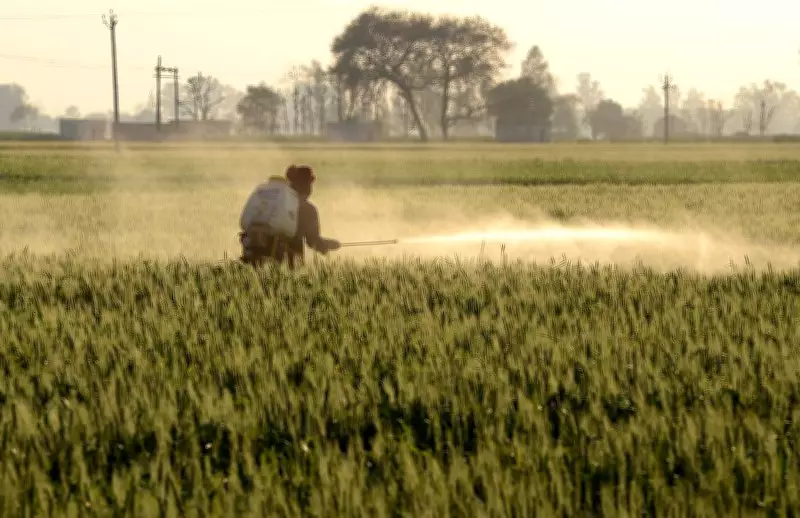
Punjab's agricultural sector stands at a pivotal moment in its history. For decades, the state has relied heavily on a limited range of crops, which, while ensuring food security, has led to significant challenges. These include deteriorating soil health, excessive use of chemicals, declining profitability for farmers, and growing public health issues. As these problems intensify, there is an urgent call to diversify towards more nutritious and sustainable crops, leveraging advancements in agricultural sciences.
The Role of Emerging Technologies in Farming
Crop engineering and modern agricultural sciences are proving crucial for the successful cultivation of specialty crops like black rice in Punjab. Black rice, known for its nutritional benefits and niche market appeal, often yields less than conventional rice, making scientific intervention essential to adapt it to local conditions. Emerging fields such as nutraceuticals, genomic crop engineering, and precision farming powered by artificial intelligence are providing researchers with valuable insights to drive crop diversification efforts.
For instance, students at the Amritsar Group of Colleges recently conducted an experiment on organic farms, cultivating black and red rice using traditional natural inputs like 'jeev amrit' and 'beej amrit.' These methods enhance soil microbial activity and plant resilience, resulting in successful growth without chemical fertilizers or pesticides, and improved soil vitality. However, the economic outcome was less favorable due to limited consumer awareness, unfamiliar culinary preferences, and a lack of organized marketing, which kept prices unviable.

Global Insights and Nutritional Benefits
This local experience gained new perspective during a visit to the United States, where black rice, marketed as "forbidden rice," is sold as a premium health product at nearly three times the price of regular rice. The global demand stems from its nutritional profile; crops like black and red rice contain anthocyanins, powerful antioxidants linked to reduced inflammation and oxidative stress. Scientific studies associate these compounds with improved cardiovascular health, better blood sugar regulation, and enhanced immunity.
From an agricultural standpoint, black and red rice are well-suited to Punjab's agro-climatic conditions. They perform reliably under traditional rice-growing systems and align naturally with organic and natural farming practices. The key question is not whether Punjab can grow these crops, but whether the state is prepared to recognize and capitalize on their value.
Pathways to Transformation
To harness this potential, major agriculture science institutes and universities must prioritize research and cultivation of such crops. Supported by increased awareness, robust market linkages, and policy encouragement, black and red rice could become instruments of change. This shift has the potential to enhance farmer incomes, protect natural resources, and align Punjab's agriculture with future food and health priorities, paving the way for a more sustainable and prosperous farming future.