Pune Chapati Makers Plead for LPG Cylinders Amid Severe Shortage Crisis
Chapati manufacturers in Pune have issued an urgent appeal to the city administration, calling for immediate action to ensure the steady supply of commercial LPG cylinders. The ongoing shortage is crippling their operations, severely impacting their ability to provide this essential food staple to hospitals, IT companies, hostels, and educational institutions across the city.
Production Units Struggle to Meet Daily Demands
Sushant Deshpande, who operates a chapati-making facility in Narhe, revealed that his unit produces approximately 25,000 chapatis daily, supplying them to various establishments throughout Pune. He emphasized that any disruption in production could directly affect food availability for nearly 7,000 to 8,000 people. "We are struggling to continue production of this meal staple due to the shortage of commercial LPG cylinders," Deshpande stated in an interview.
To mitigate the crisis, Deshpande, who also owns a hotel in Pune, has shifted cooking operations at his hotel to traditional wood-fired stoves. This strategic move allows him to divert the limited available cylinders exclusively to his chapati-making unit, highlighting the severity of the situation.

Impact on Workforce and Daily Operations
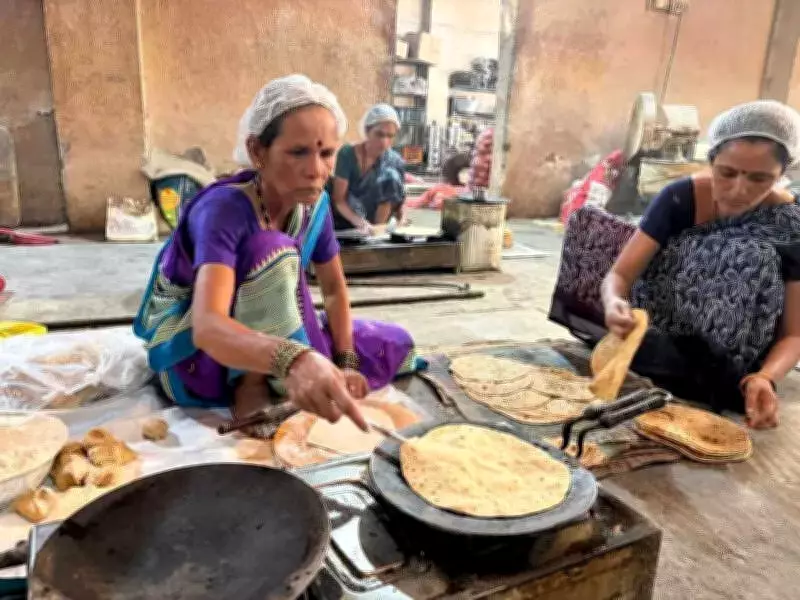
Deshpande's facility employs more than 60 women who begin their shifts as early as 5 AM to ensure timely dispatch of chapatis. These deliveries are crucial for cafeterias in companies located at Hinjewadi IT Park, private hostels, hospitals, and educational institutions. "The situation is such that once we dispatch the morning orders, we spend the rest of the day searching for cylinders to ensure that we have enough stock for the next day," Deshpande explained.
He further urged the government to recognize this business as an essential service, warning that any disruption in food supply would adversely affect a large population, including working professionals and patients who rely on these meals.
Widespread Effects Across the City
Another chapati unit operator, Rajendra Gaware from Kothrud, reported that his facility supplies around 20,000 chapatis daily to schools, hospitals, and IT companies. He cautioned that any operational halt could jeopardize food supply for over 6,000 individuals. "We have stopped accepting new orders and are focusing only on fulfilling the daily requirements of our existing customers. Even that has become difficult as we are unsure when our gas stock will run out and whether we will be able to supply chapatis the next day," Gaware said.
The shortage is also threatening the livelihoods of numerous women employed in these units. Gaware noted that many depend on this work to support their families, and their gas vendor has temporarily suspended supply due to the uncertain timeline for improvement.
Challenges with Alternative Fuel Options
When asked about potential alternatives, Deshpande dismissed the use of domestic LPG cylinders as non-viable. He explained that their lower pressure significantly slows down chapati production, which is untenable given the strict timelines involved. Vehicles transporting chapatis to destinations like Hinjewadi must depart by 9 AM to ensure timely arrival for lunch and dinner services.
Beyond these larger units, the LPG shortage has also affected several small-scale chapati-making operations across Pune, including home-based suppliers, amplifying the crisis's reach and urgency.