Understanding and Preventing Black Spots on Mango Fruits
For mango growers, witnessing healthy fruits develop unsightly black spots as harvest time approaches can be deeply disheartening. This common issue not only diminishes the visual appeal of the produce but also significantly impacts its overall quality and market value. However, there is encouraging news: with proper knowledge and timely interventions, it is entirely possible to safeguard your mangoes from this discoloration. By comprehending the underlying causes of color changes, farmers can implement straightforward strategies to halt the process and ensure a bountiful, high-quality harvest.
Primary Causes of Black Spots on Mango Trees
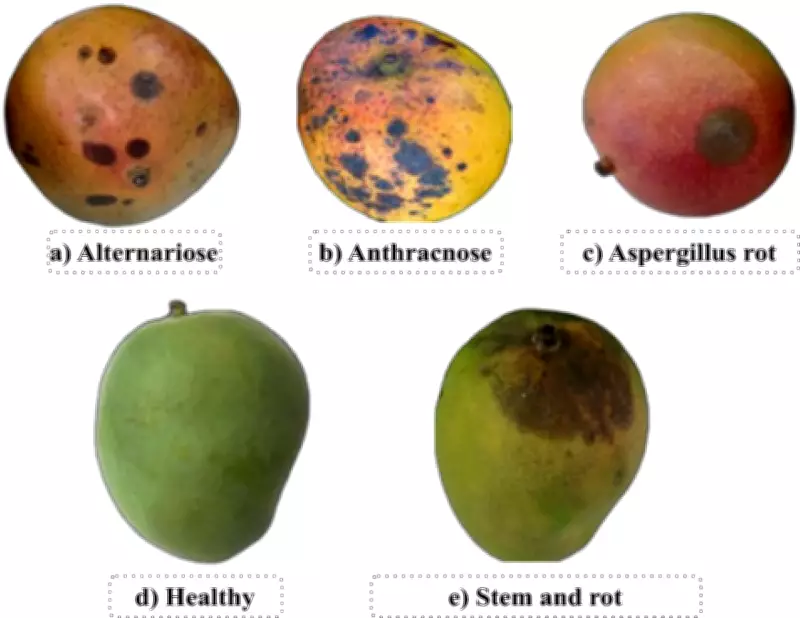
One of the leading factors behind blackened mangoes is fungal infection, which triggers various plant diseases, most notably anthracnose. According to a comprehensive study by the Indian Council of Agricultural Research (ICAR), specific fungi—including Colletotrichum gloeosporioides, Alternaria alternata, and Capnodium mangiferae—are identified as major culprits. These pathogens are responsible for one of the most severe diseases affecting mango trees, impacting leaves, flowers, and fruits, ultimately leading to the formation of sunken black spots on the fruit surface.
High humidity levels, which are typical during the flowering and fruit formation stages, create an ideal environment for these fungi to thrive and spread rapidly. Another significant cause is sap burn, which occurs when fruits sustain injuries during handling or harvesting. The released sap then causes dark discoloration on the skin. Agricultural experts emphasize that improper handling of fruits throughout their growth or at harvest can result in noticeable skin blemishes and a reduction in overall quality.

Essential Steps to Protect Mango Quality and Yield
Fortunately, proactive measures can effectively prevent many of these issues. Implementing the following practices will help maintain fruit integrity and enhance productivity:
- Regular Monitoring and Pruning: Consistently inspect mango trees and promptly remove any infected fruits or leaves through careful pruning. This practice helps contain the spread of disease and promotes overall tree health.
- Strategic Fungicide Application: As per ICAR guidelines, applying appropriate fungicides during key developmental stages of fruit-bearing trees can drastically reduce disease incidence and improve fruit quality. Timing and dosage are critical for optimal results.
- Proper Tree Spacing and Pruning: Ensure adequate spacing between branches through regular pruning. This enhances airflow and allows sufficient sunlight penetration, creating conditions that inhibit fungal growth.
- Balanced Irrigation Practices: Avoid overwatering, as excessive moisture leads to high humidity that fosters pathogen proliferation. Instead, adopt balanced irrigation techniques that support healthy fruit ripening without promoting disease.
- Careful Harvesting Techniques: Exercise caution during the harvesting process to prevent any physical damage to the fruits. Gentle handling minimizes the risk of sap burn and other injuries that cause discoloration.
How Enhanced Care Can Double Your Produce and Profits
Healthy, spot-free mangoes consistently command higher prices in the market, as consumers are naturally drawn to fresh, visually appealing produce. Even minor blemishes can substantially lower the market value of individual fruits. Improving produce quality directly enhances profitability. The Food and Agriculture Organisation (FAO) underscores this in their publication Mango Post-harvest Operations, stating that adopting improved agricultural practices can significantly increase market value while substantially reducing post-harvest losses.

Furthermore, fruits that meet high-quality standards in terms of color and disease resistance are more likely to satisfy stringent export requirements. This opens access to larger, more lucrative markets, thereby generating even greater income for growers. In essence, preventing mango blackening transcends mere crop preservation; it is a strategic approach to maximizing economic benefits. By taking appropriate actions at the right time, farmers can achieve considerable profits and ensure the long-term sustainability of their orchards.